A mold testing report can look intimidating at first glance, but it is really just a roadmap to your indoor air quality. It tells you what mold species were found, how concentrated they are, and whether your indoor environment compares safely to outdoor air. Understanding these numbers helps you decide on next steps with confidence, and working with Florida's best mold inspections team makes the process even easier.
If you have ever opened a mold testing report and felt completely lost, you are not alone. Florida homeowners searching for Florida's best mold inspections often receive lab documents filled with scientific names, spore counts, and comparison charts that feel more confusing than helpful.
The good news is that once you understand the basic structure of these reports, they become much easier to interpret. At
Holistic Environmental Solutions, we believe clients deserve clarity, not jargon. This guide breaks down exactly what your mold testing report means, section by section.
Whether you are a homeowner, property manager, or real estate professional across Miami-Dade, Broward, Palm Beach, or Monroe County, this breakdown will help you read your results like a professional.
What Information Does a Mold Testing Report Include?
A standard laboratory report from mold inspection professionals typically covers several key sections.
- Sample type (air, surface, or bulk)
- Mold species identified
- Spore counts per cubic meter of air
- Comparison between indoor and outdoor samples
- Laboratory notes on growth conditions
Each section plays a specific role in painting a complete picture of your indoor environment.
Sample Collection Methods Explained
Before interpreting results, it helps to know how the samples were collected.
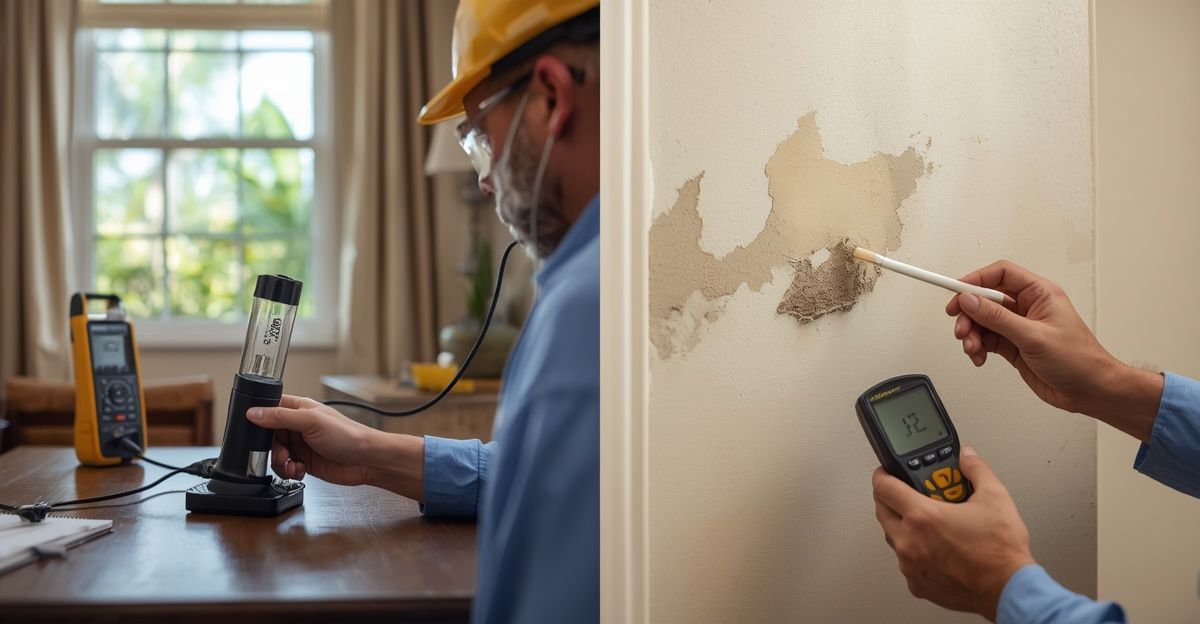
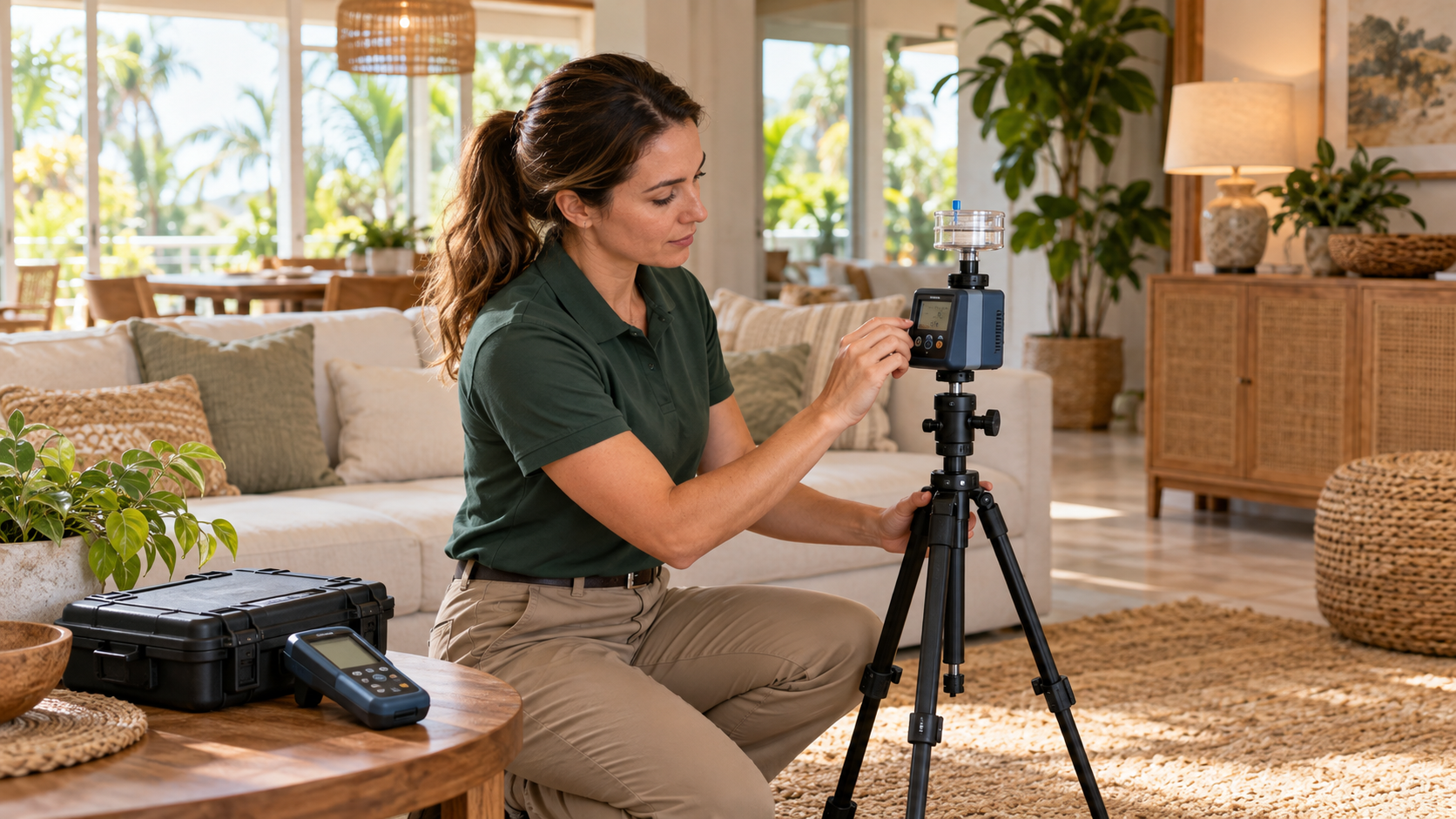
- Air samples measure spores floating in your indoor air
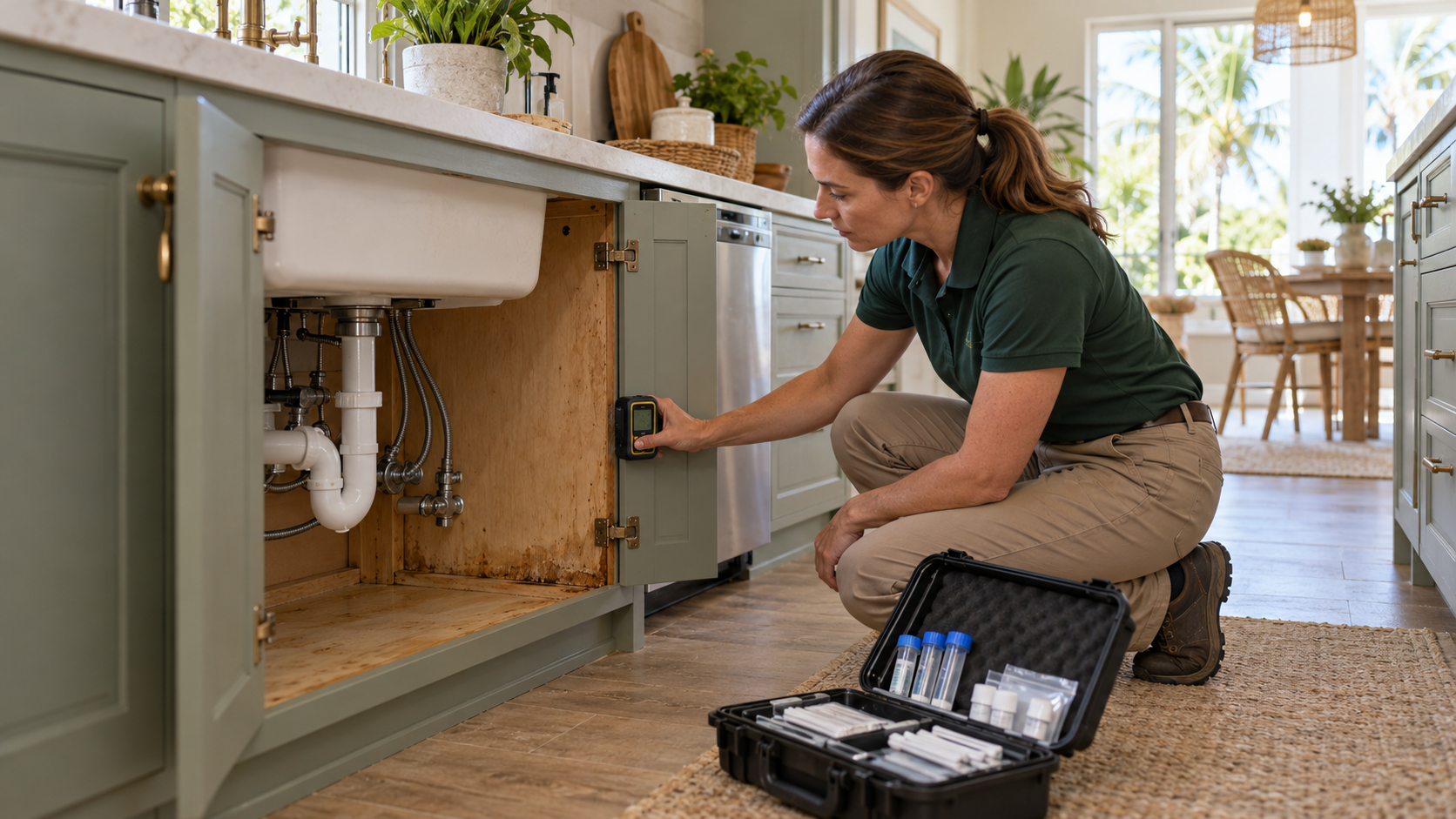
- Surface samples (tape lifts or swabs) identify mold on a specific area
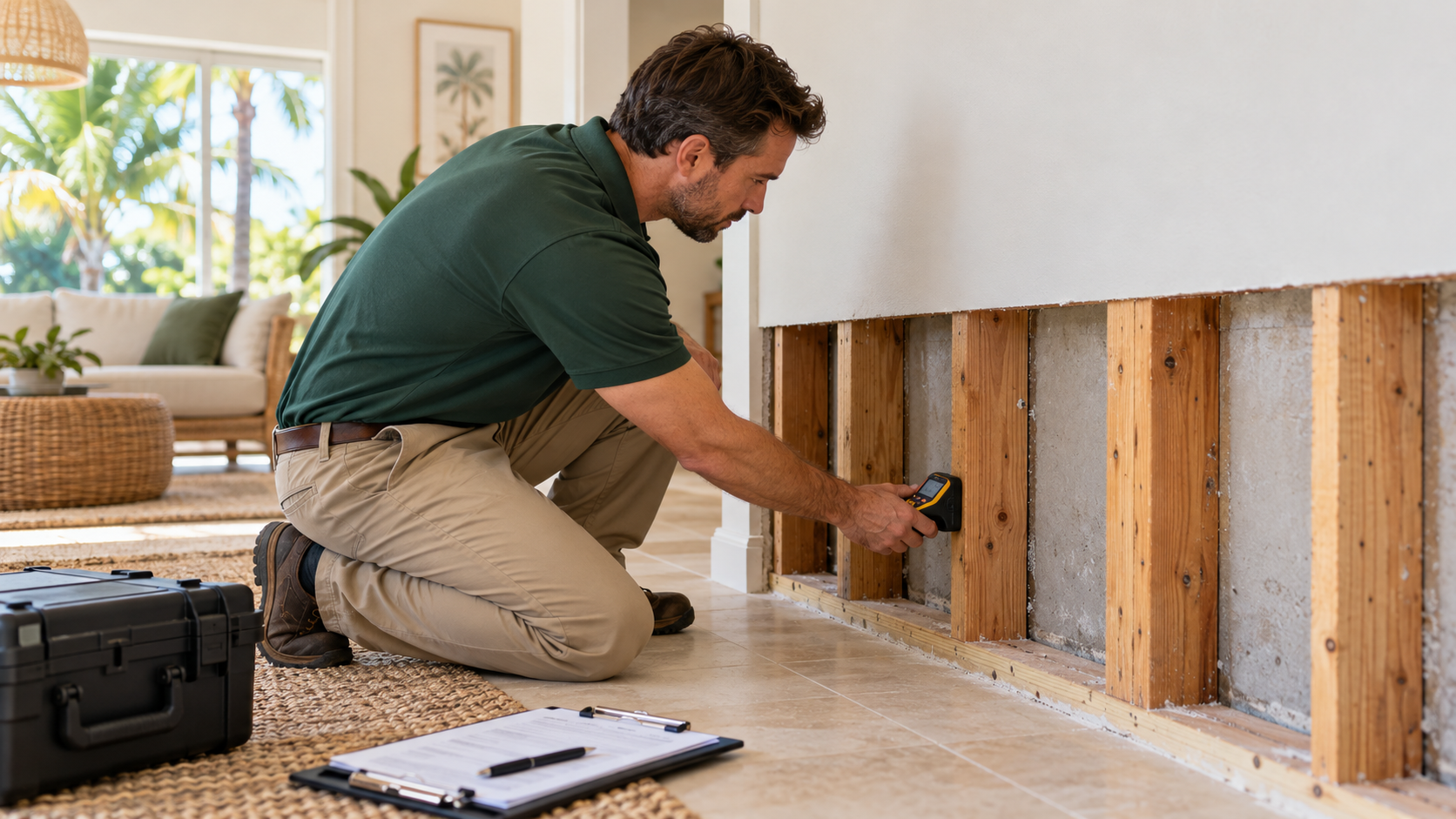
- Bulk samples involve a small piece of material, like drywall, sent for analysis
Certified mold inspection experts choose the method based on visible conditions, moisture readings, and client concerns during the initial walkthrough.
Understanding Spore Counts and Concentration Levels
Spore counts are often the most confusing part of any report. These numbers represent how many mold spores were found per cubic meter of air.
- Low counts usually fall within a normal range compared to outdoor air
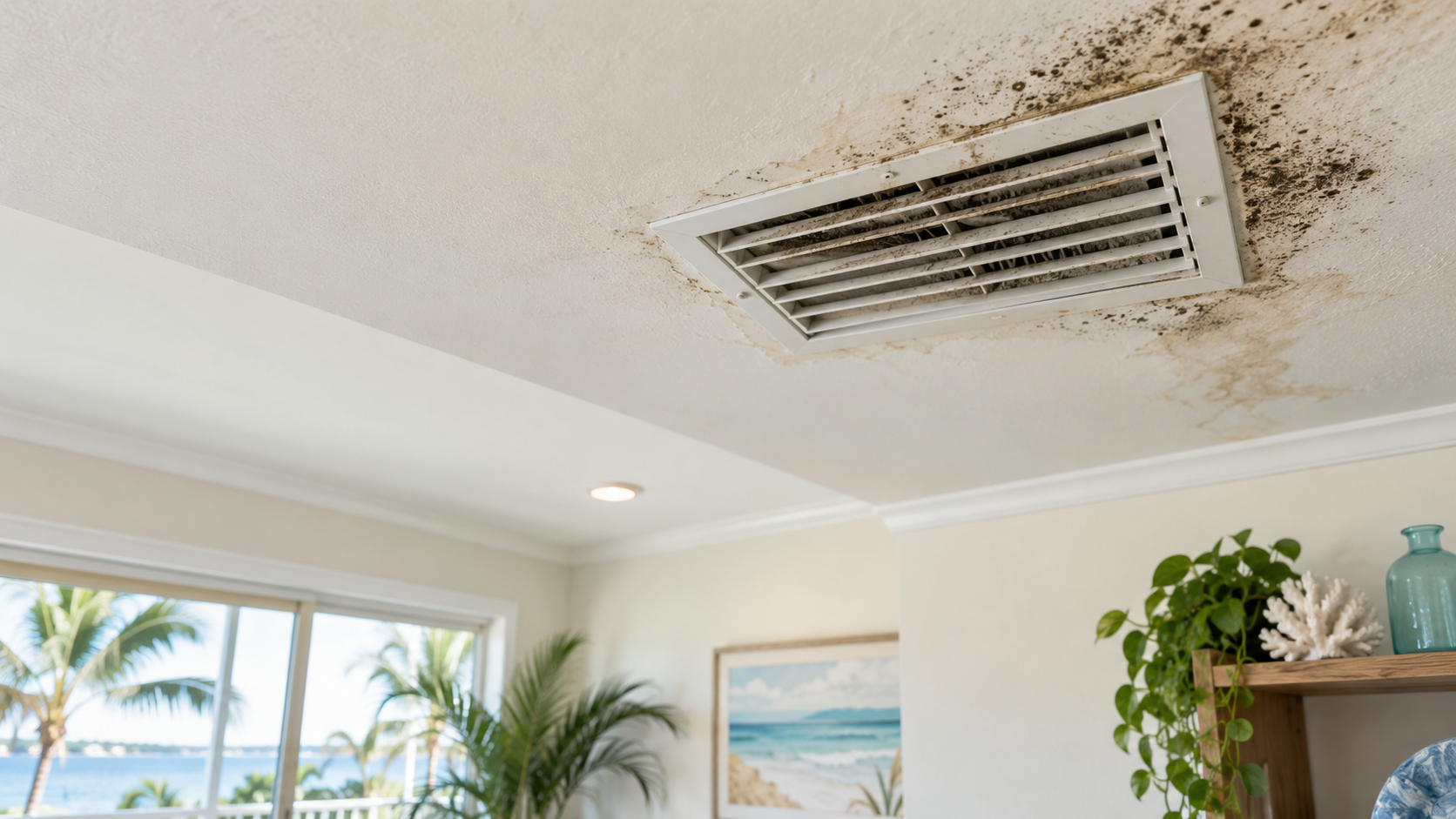
- Elevated counts suggest active or hidden mold growth
- Extremely high counts often point to a significant moisture source nearby
There is no single universal number that defines a dangerous threshold. Context matters, which is why comparing indoor results to outdoor samples is so important.
Why the Outdoor Comparison Matters
Every quality indoor air quality test for mold includes an outdoor control sample. This baseline reflects the natural mold spores present in your local environment.
- If indoor levels are similar to or lower than outdoor levels, that is typically a good sign
- If indoor levels are significantly higher, it often indicates an indoor mold source
- Certain species found indoors but absent outdoors can also signal a localized problem
Florida's humid climate naturally carries higher outdoor spore counts than drier regions, so local context from Florida mold testing experts is essential for accurate interpretation.
Common Mold Species Found in Florida Homes
Lab reports often list mold species using scientific names. A few of the most common ones found in South Florida properties include the following.
- Aspergillus and Penicillium, frequently linked to water damage
- Cladosporium, common both indoors and outdoors
- Stachybotrys, often associated with prolonged moisture exposure
- Chaetomium, typically found in areas with chronic water intrusion
Each species behaves differently, and some grow faster in humid, coastal environments like Miami-Dade, Broward, Palm Beach, and Monroe County.
What Do the Recommendations Section Really Mean?
After the data, most reports include a summary with recommendations. This is where mold inspection professionals translate numbers into practical guidance.
- Whether remediation is advised based on species and concentration
- Suggested next steps for moisture control
- Areas that may require further testing or monitoring
A clear, honest recommendation section is one of the biggest differences between a generic report and one from Florida's best mold inspections provider. At Holistic Environmental Solutions, we write reports so property owners can act with confidence, not confusion.
Why Moisture Readings Matter Alongside Testing Results
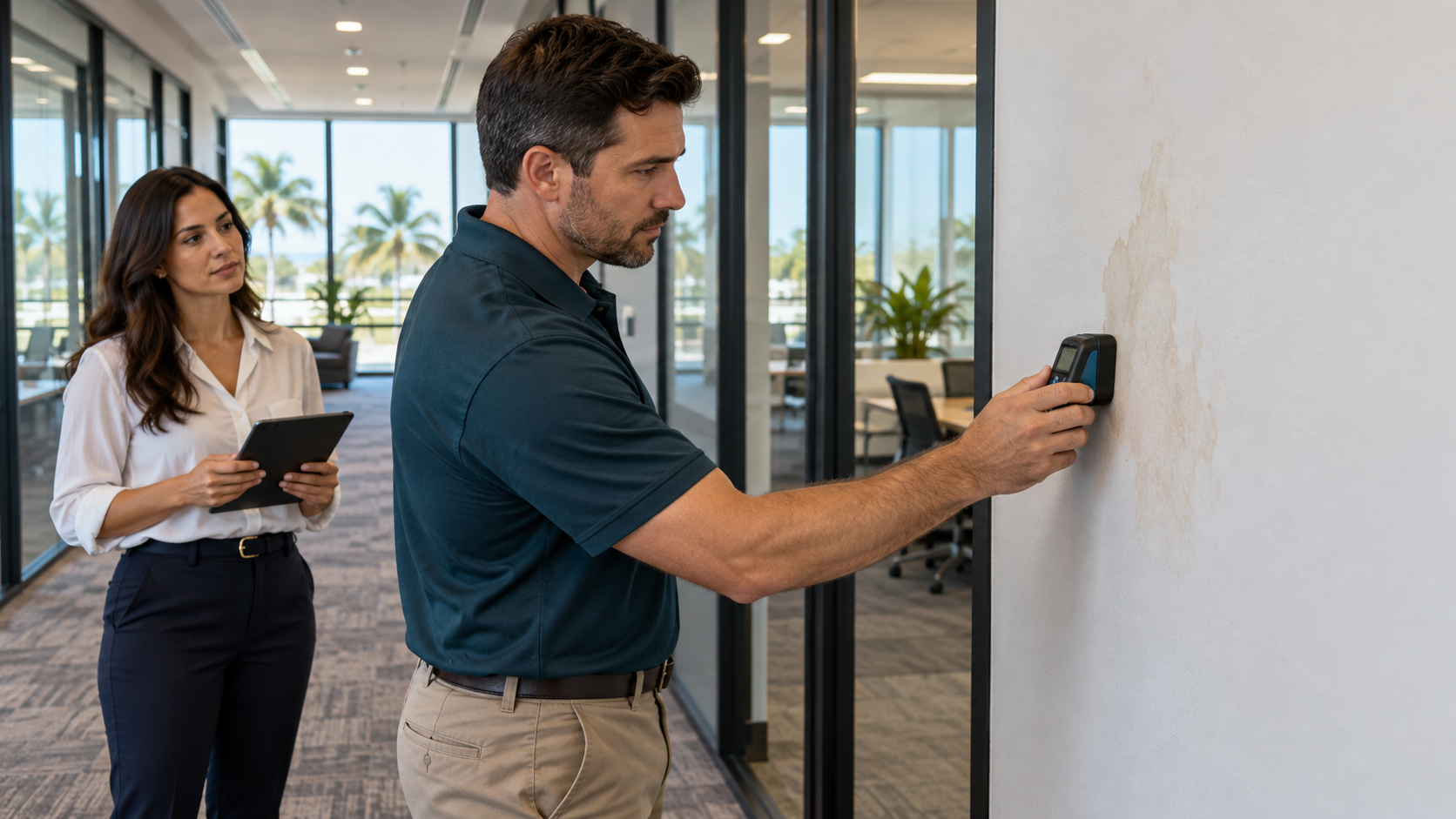
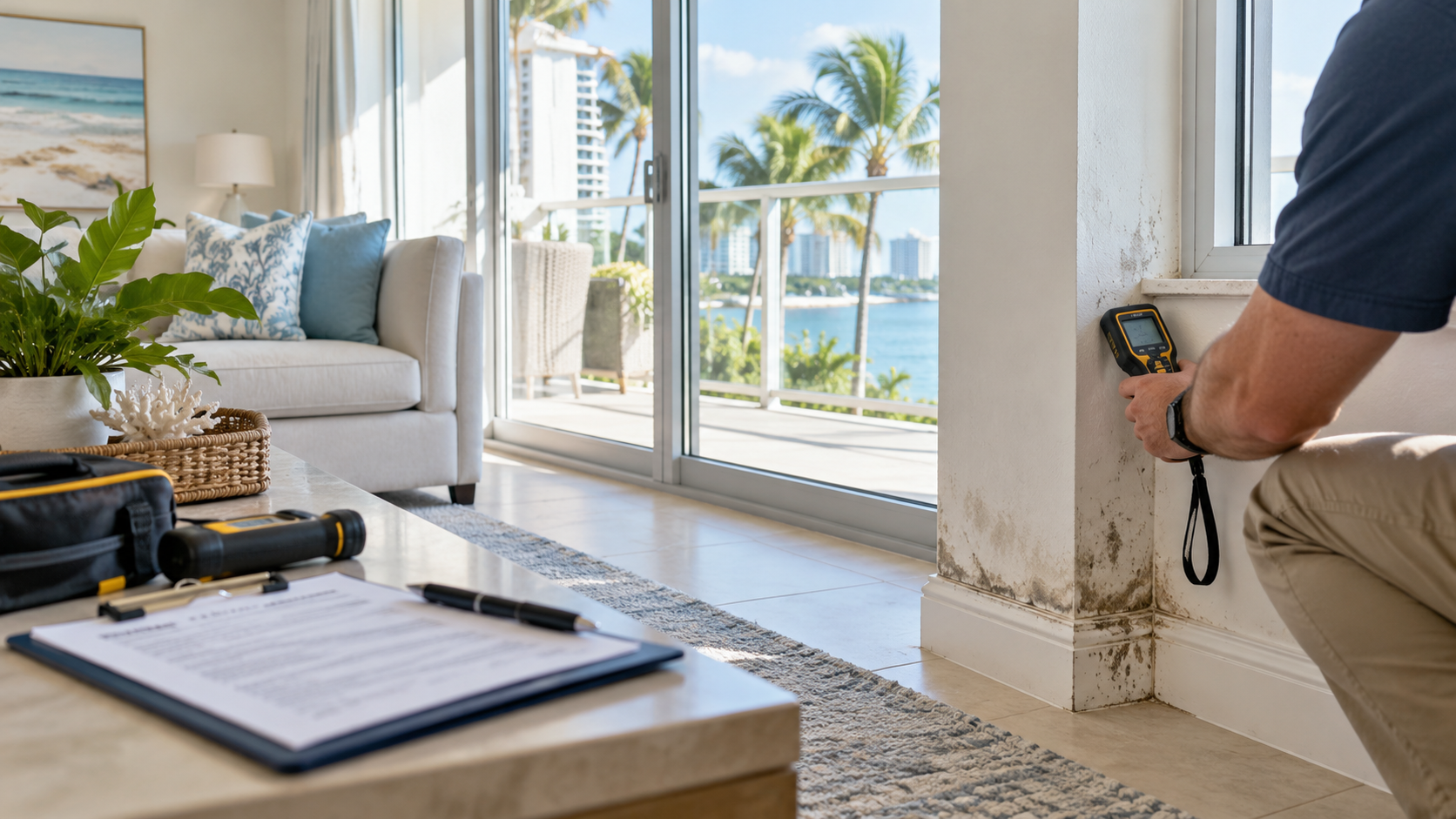
Mold cannot grow without moisture, so many reports pair spore data with moisture mapping readings.
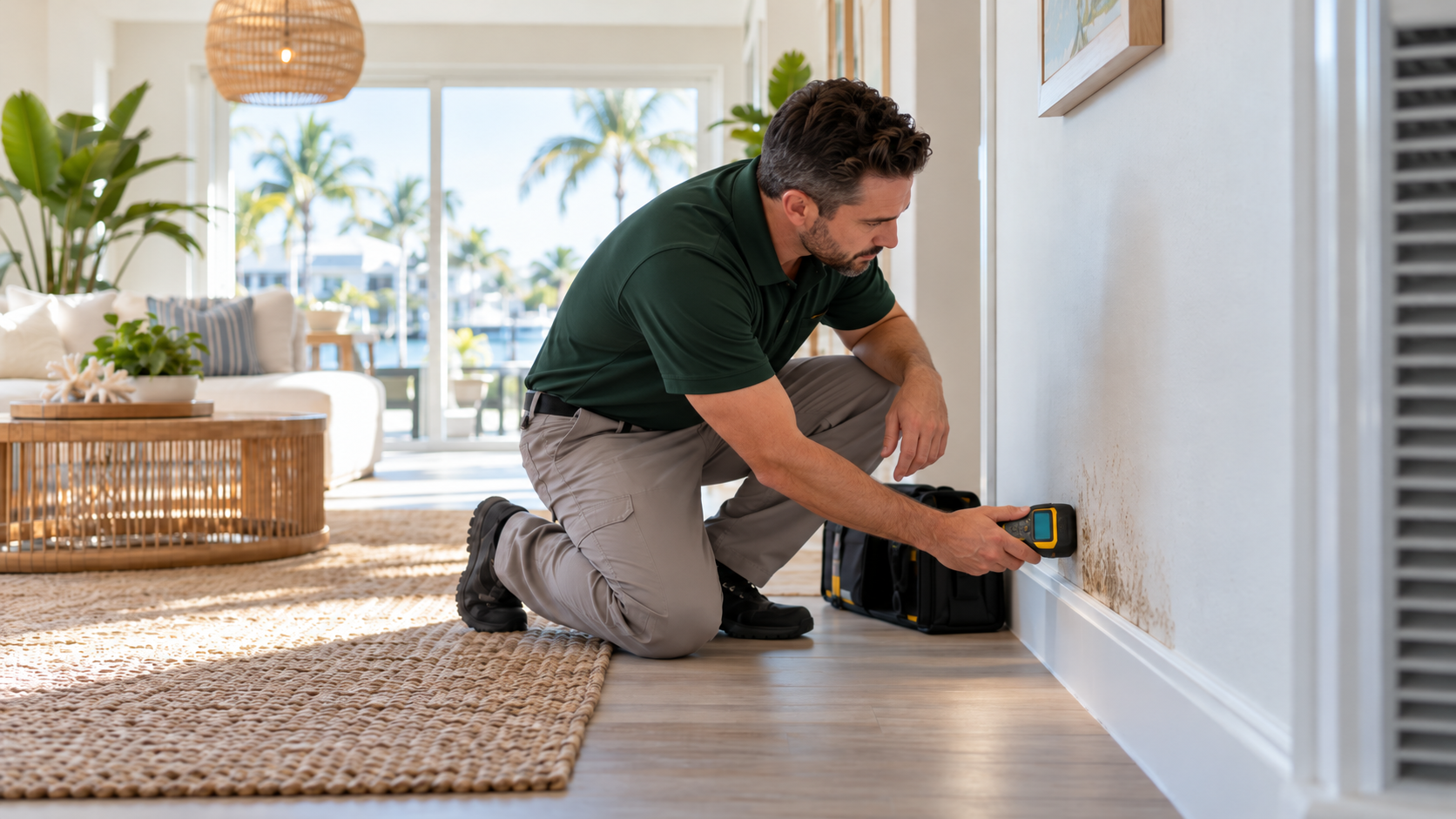
- Elevated moisture readings near walls, ceilings, or flooring help pinpoint the source
- Thermal imaging can reveal hidden dampness behind surfaces
- Addressing moisture is essential, since testing alone cannot stop future growth
This combination gives property owners a full understanding of the problem and its root cause, and not just a snapshot of current spore levels.
How to Use Your Report to Make Informed Decisions
Once you understand the terminology, your report becomes a practical tool rather than a confusing document.
- Compare indoor and outdoor levels first
- Review species identified and their typical health associations
- Read the recommendations carefully before deciding on remediation
- Keep the report for future reference or real estate transactions
Certified mold inspection experts can walk you through every line item personally, ensuring nothing gets lost in translation.
Trust Florida's Best Mold Inspections Team With Your Next Assessment
Reading a mold testing report should never feel overwhelming. With the right guidance, you can turn complex laboratory data into clear, actionable decisions for your home or business.
Holistic Environmental Solutions proudly serves homeowners, property managers, and real estate professionals throughout Miami-Dade, Broward, Palm Beach, and Monroe County with honest, detailed reporting you can actually understand.
If you are ready to get answers backed by certified mold inspection experts,
schedule your assessment with Holistic Environmental Solutions today and experience Florida's best mold inspections firsthand.