Our Services
Professional Indoor Mold Testing Services in South Florida
Professional indoor mold testing for South Florida homes and businesses, including air and surface sampling, moisture evaluation, visual assessment, and laboratory analysis to help identify potential mold concerns and determine appropriate next steps.
What Does Professional Indoor Mold Testing Include?
Professional indoor mold testing evaluates the property for visible and hidden moisture conditions that may contribute to mold growth. Depending on the findings, testing may include air sampling, surface sampling, moisture readings, and laboratory analysis to help determine whether elevated mold conditions may be present.
How Professional Indoor Mold Testing Works
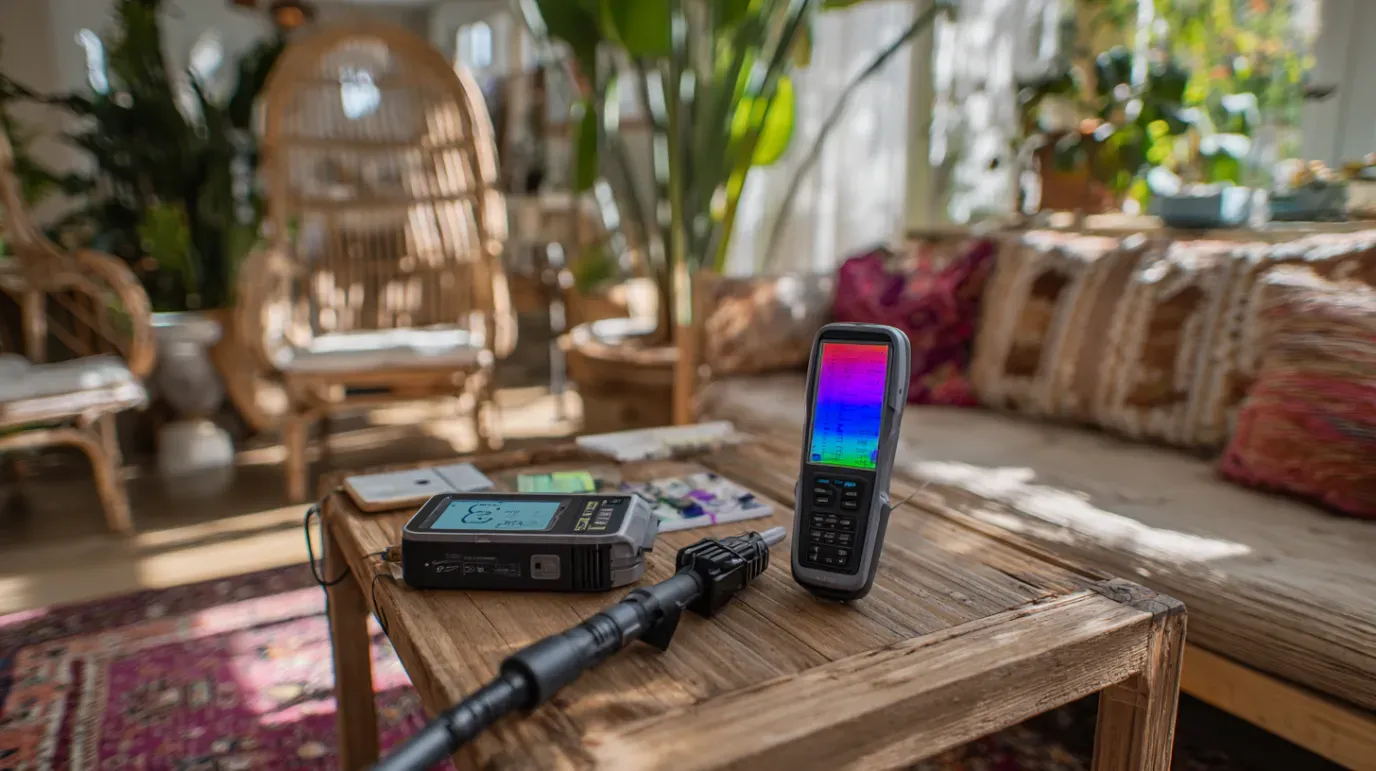
A professional mold inspection typically begins with a visual assessment and moisture evaluation before any samples are collected. Depending on the property and areas of concern, testing may include air sampling, surface sampling, moisture readings, and laboratory analysis. When conducting mold detection services, our team may use professional tools and testing methods such as:
- Air Sampling Pumps: These devices draw air samples from various locations in your property, capturing spores onto specialized cassettes. This process helps identify invisible threats in your air that could impact your health.
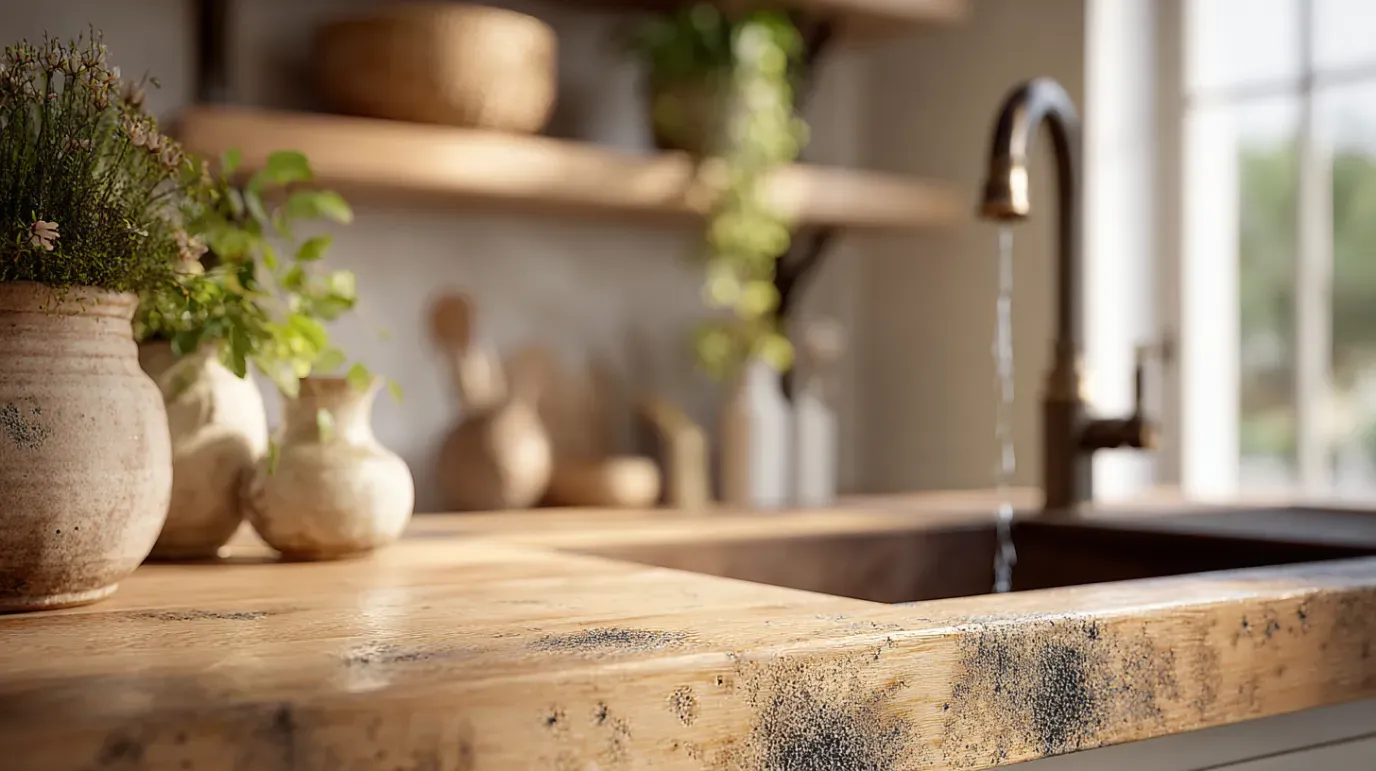
- Surface Sampling Swabs and Tape Lifts: To determine if visible discoloration or stains are caused by mold, we collect samples from building materials, furniture, or HVAC vents. Surface testing can pinpoint the exact mold type and concentration.
- Infrared Thermography (Thermal Imaging): Moisture behind walls or under floors is a common hiding spot for mold. Using thermal imaging cameras, we detect cold spots or hidden leaks—the source of persistent mold issues.
- Moisture Meters and Hygrometers: These instruments gauge the moisture content in building materials and the relative humidity in your rooms, two critical elements for mold growth.
All collected samples are sent to accredited microbiological laboratories, where professional analysts use microscopy and genetic testing (such as qPCR) to identify mold species and spore counts. This scientific approach eliminates guesswork and provides you with hard data to inform your next steps.

When Should You Get Indoor Mold Testing?
There are several circumstances where immediate, professional mold detection services are not just recommended—they are essential for protecting your property and health. Mold can thrive undetected in many indoor environments, especially in Florida’s humid climate, and often goes unnoticed until it has already caused significant problems. Professional indoor mold testing is highly advised if you find yourself in any of the situations below. An indoor air quality test for mold can provide valuable insights, and early detection can help prevent long-term damage and costly repairs:
Recent Water Damage
Flooding, leaks, or excess moisture can lead to hidden mold growth. Testing ensures early detection before issues worsen.
Buying or Selling a Property
Mold testing provides peace of mind for buyers and helps sellers avoid liability for hidden issues.
Chronic Health Symptoms
Persistent coughing, headaches, or asthma flare-ups may signal mold. Testing confirms if mold is the cause.
Visible Mold or Musty Odors
Spots or musty smells often indicate mold. Testing uncovers hidden growth and the full extent of the issue.
Rental and Multi-Unit Properties
Testing ensures safe living conditions, reduces tenant complaints, and protects property value.
Post-Remediation Verification
Testing confirms mold removal was successful and the space is safe for occupancy.
Why Hidden Mold and Moisture Problems Shouldn’t Be Ignored
Mold concerns are not always visible, and hidden growth may develop after water damage, leaks, or ongoing moisture problems. When mold is present, it can affect indoor conditions and may also contribute to damage in drywall, flooring, insulation, and other building materials. Professional mold testing can help provide additional information when a mold problem is suspected.
Persistent coughing and wheezing
Ongoing coughing and wheezing can indicate mold exposure, as spores irritate the respiratory system.
Nasal and sinus congestion
Mold spores can inflame nasal passages, leading to stuffy or runny noses and sinus pressure.
Eye irritation (itchy, watery eyes)
Mold exposure often causes red, itchy, or watery eyes due to airborne allergens.
Skin rashes or irritation
Direct contact with mold or its spores can result in itchy, red, or irritated skin.
Headaches and fatigue
Prolonged mold exposure may trigger headaches and leave you feeling unusually tired.
Shortness of breath or difficulty breathing
Mold spores can aggravate breathing, especially for those with asthma or allergies.
Additionally, mold can weaken drywall, flooring, and even the framing of your property, leading to costly repairs if left undetected. Ignoring potential mold growth allows it to spread, leading to more extensive property damage and increasing health risks for occupants. Professional indoor mold testing in Florida is the first step toward mitigating these dangers.
Benefits of Professional Indoor Mold Testing
Discover how Holistic Environmental Solutions provides professional mold testing services designed to deliver clear, reliable information about indoor conditions. We serve homes and businesses throughout Miami-Dade, Broward, Palm Beach, and Monroe counties.
When it comes to protecting your property and health, professional mold detection services are essential. At Holistic Environmental Solutions, we provide comprehensive, unbiased testing to help you make informed decisions. Here’s what sets us apart:
Key Benefits:
Unbiased, Scientific Results
As an independent testing company, we focus solely on providing accurate, verifiable data about your indoor air quality. We do not perform remediation, ensuring our results are impartial and trustworthy.
Comprehensive Mold Detection
Our process goes beyond visible signs of mold. Using advanced techniques like air sampling, surface testing, and moisture detection, we locate hidden mold sources behind walls, under flooring, and in HVAC systems.
Early Detection and Prevention
Identifying mold early prevents long-term property damage and costly structural repairs. Our services help you address issues before they escalate.
Health Protection
Fast, accurate detection reduces exposure to harmful mold spores, safeguarding the health of your family, employees, or tenants.
Documentation for Insurance and Real Estate
Detailed, third-party lab reports provide valuable documentation for home sales, rentals, insurance claims, and renovation projects.
Peace of Mind
Knowing the exact nature of your indoor environment empowers you to make informed decisions to protect your property and loved ones.
Don’t leave your indoor air quality to chance. Contact Holistic Environmental Solutions today to schedule your professional mold detection service and take the first step toward a healthier, safer environment.

Frequently Asked Questions About Indoor Mold Testing
Have questions about indoor mold testing? This section provides clear, expert answers to common concerns about the process, from identifying the need for testing to understanding your lab results. We are here to help you navigate your indoor air quality issues with confidence.
What is indoor mold testing?
Indoor mold testing is used to evaluate whether mold may be present inside a home or business and to better understand indoor environmental conditions. Testing may include a visual assessment, moisture evaluation, air sampling, surface sampling, and laboratory analysis depending on what is found during the inspection. When appropriate, Holistic Environmental Solutions can also recommend related services such as Moisture Mapping to help identify hidden moisture conditions.
What does a professional mold test include?
A professional mold test may include a visual inspection of the property, moisture readings, evaluation of areas affected by leaks or water intrusion, and collection of air or surface samples for laboratory analysis. The exact testing method depends on the conditions found during the assessment. If hidden moisture is suspected, Moisture Mapping may also be used to help identify areas that need closer evaluation.
What is the difference between a mold inspection and mold testing?
A mold inspection focuses on evaluating the property for visible mold, moisture problems, water damage, and conditions that may support mold growth. Mold testing involves collecting samples, such as air or surface samples, for laboratory analysis. In many cases, the two work together as part of a broader Mold Assessment so the property owner receives a clearer understanding of the issue.
How much does professional mold testing cost?
The cost of mold testing depends on the size of the property, the number of areas being evaluated, the type and number of samples collected, and whether additional services such as moisture evaluation are needed. A professional assessment helps determine what testing is actually appropriate so homeowners are not paying for unnecessary samples or services.
Do I need mold testing if I can already see mold?
Not always. Visible mold can sometimes be evaluated without extensive sampling, but testing may be useful when the source is unclear, hidden growth is suspected, documentation is needed, or the extent of the problem must be better understood. A professional Mold Assessment can help determine whether testing is necessary and what type of testing would provide useful information.
Can mold be hidden behind walls or under flooring?
Yes. Mold can sometimes develop in wall cavities, beneath flooring, around plumbing, behind cabinets, or in other areas affected by hidden moisture. Signs such as musty odors, staining, bubbling paint, warped materials, or recurring leaks may indicate a need for further evaluation. Moisture Mapping can help identify elevated moisture in areas that are not visibly wet.
What is air sampling for mold?
Air sampling measures airborne mold spores by collecting indoor air samples that are analyzed by a laboratory. Results are often compared with outdoor conditions and interpreted alongside the visual inspection, moisture findings, and property history. Air sampling is only one part of the evaluation and should not be used by itself to diagnose the condition of a property.
What is surface sampling for mold?
Surface sampling involves collecting material directly from a visible or suspected area using methods such as swabs or tape lifts. The sample is then analyzed by a laboratory to help identify the type of mold present. Surface sampling may be appropriate in certain situations, while air sampling may be more useful in others.
How long does mold testing take?
The on-site portion of a mold inspection and testing appointment can vary depending on the size of the property and the number of areas that need to be evaluated. After samples are collected, they are sent to a laboratory for analysis. The total turnaround time depends on the laboratory and the type of testing performed.
How long does it take to get mold test results?
Laboratory results are often available within a few business days, depending on the type of samples collected and the laboratory’s processing time. Once results are received, they should be reviewed together with the inspection findings, moisture conditions, and property history so the numbers are interpreted in context.
Are home mold test kits accurate?
Home mold test kits may show that mold spores are present, but mold spores are naturally found in many indoor and outdoor environments. DIY kits usually do not include a professional property assessment, moisture investigation, controlled sampling strategy, or expert interpretation of the laboratory results. Professional testing provides more context for understanding whether the findings may be significant.
What happens if mold is found during testing?
If mold or elevated conditions are identified, the next step depends on the location, extent, moisture source, and laboratory findings. Holistic Environmental Solutions does not perform mold remediation, which allows the assessment to remain independent. When remediation is needed, a Remediation Protocol can provide detailed instructions for the remediation contractor, and Post-Remediation Verification can later be used to evaluate conditions after the work is completed.
Do you provide mold remediation?
No. Holistic Environmental Solutions provides independent mold assessment, testing, moisture evaluation, remediation protocols, and post-remediation verification, but does not perform the remediation work itself. Keeping the assessment and remediation companies separate helps preserve an independent evaluation of the property.
What is post-remediation verification?
Post-remediation verification, often called PRV or clearance testing, is performed after mold remediation to evaluate whether the treated area is ready for normal occupancy or reconstruction based on the scope of work and conditions observed. The process may include a visual inspection, moisture evaluation, and testing when appropriate. Learn more about Post-Remediation Verification if remediation has already been completed.