

Our Services
Air Quality Testing for Mold in South Florida
Professional indoor air quality testing for South Florida homes and businesses, including air sampling, mold-related environmental testing, and evaluation of indoor conditions that may affect air quality and occupant comfort.
What Does Professional Indoor Air Quality Testing Evaluate?
Professional indoor air quality testing evaluates conditions inside a home or business that may affect the quality of the air occupants breathe. Depending on the concerns present, testing may include air sampling for mold spores, evaluation of humidity and moisture conditions, and other environmental measurements to help identify potential indoor air quality issues.
How Indoor Air Quality Testing Works
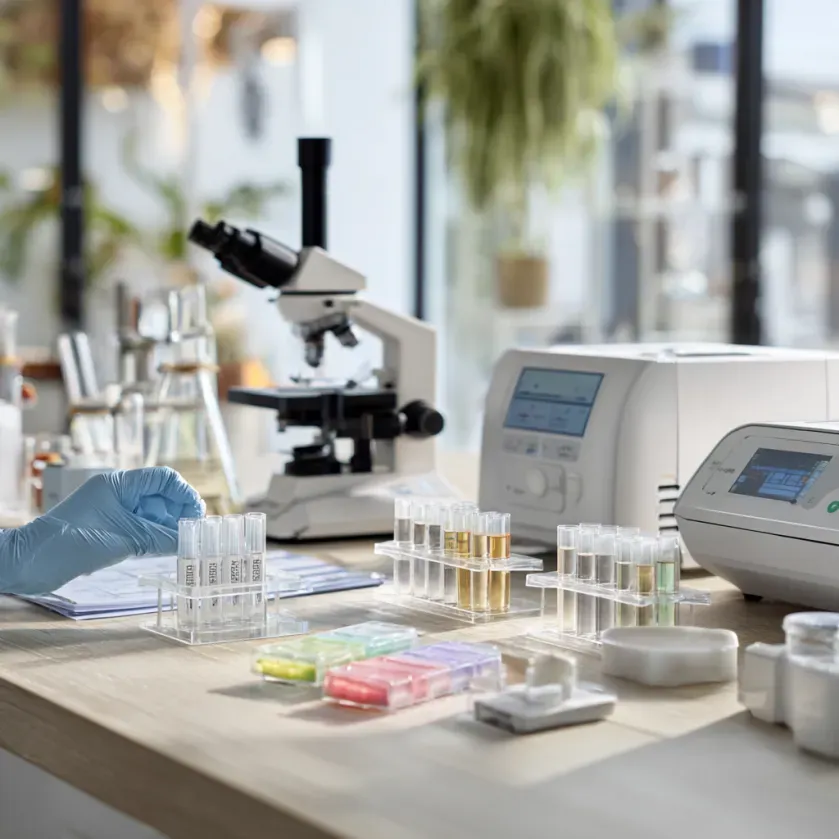
Indoor air quality testing begins with a review of the property, the concerns being reported, and any known moisture, ventilation, or environmental issues. Based on those findings, the assessment may include air sampling, humidity measurements, moisture evaluation, and laboratory analysis when appropriate.
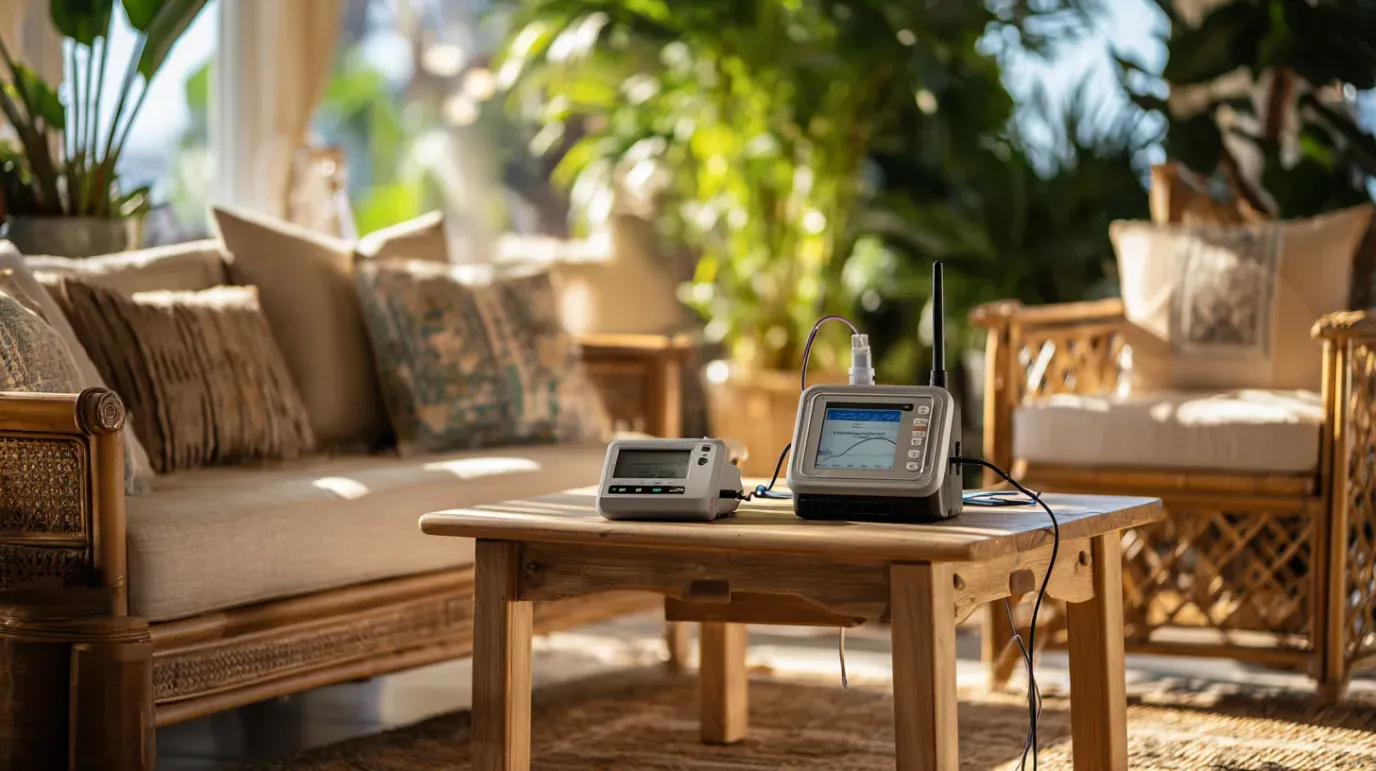
- Photoionization Detectors (PIDs): These sensitive devices are used to measure the total concentration of Volatile Organic Compounds (VOCs), which are harmful chemicals emitted from building materials, furniture, and cleaning products.
- Particle Counters: We use laser-based particle counters to measure the concentration of airborne particulates of various sizes, including dust, pollen, dander, and other allergens that can trigger respiratory issues.
- Environmental Data Loggers: To understand the complete picture, we deploy loggers that continuously monitor temperature, relative humidity, and carbon dioxide (CO2) levels, as these factors significantly influence indoor air quality.
- Air Sampling Pumps: Used to collect indoor air samples that may be analyzed for airborne mold spores and other particulates.
Every sample and data point we collect is meticulously analyzed, providing you with concrete evidence about your air quality. This scientific approach ensures that our recommendations are targeted and effective, helping you resolve the root cause of any air quality concerns.
When Should You Consider Indoor Air Quality Testing?
Certain situations warrant immediate professional indoor air quality services to safeguard your health and property. Poor air quality is often a silent issue, especially in Florida's climate where closed buildings can trap pollutants. We strongly recommend professional testing if you encounter any of the following scenarios to prevent potential health risks and ensure a clean indoor atmosphere.
Post-Renovation or New Construction
New materials can release VOCs and fine dust. Testing verifies the air is safe before you move in.
Persistent Odors Without a Source
Unexplained chemical smells or musty odors often signal underlying air quality problems that need investigation.
Ongoing Health Concerns
If occupants experience chronic headaches, fatigue, or allergy symptoms, testing can determine if indoor air is a contributing factor.
Preparing a Nursery or Health-Sensitive Space
Ensure the environment is pure and safe for infants, the elderly, or those with compromised immune systems.
Commercial and Office Buildings
Regular testing ensures a productive, healthy environment for employees and compliance with workplace safety standards.
Verification After Air Purification
Testing confirms that air purifiers or HVAC system upgrades are performing as expected and effectively cleaning the air.
The Unseen Dangers of Poor Indoor Air Quality
Poor indoor air quality can be associated with a range of environmental concerns, including airborne mold, dust, particulates, and other contaminants. Testing can help provide additional information about indoor conditions when symptoms, odors, water damage, or moisture concerns are present.
Headaches and Dizziness
Exposure to VOCs and other chemicals can often trigger persistent headaches and feelings of dizziness.
Allergy and Asthma Flare-ups
Airborne dust, pollen, pet dander, and other particulates are common triggers for asthma and allergic reactions.
Eye, Nose, and Throat Irritation
Many airborne chemicals and fine particles cause irritation to the mucous membranes, resulting in discomfort.
Chronic Fatigue and Brain Fog
High levels of CO2 and VOCs can reduce cognitive function and lead to a constant feeling of tiredness.
Respiratory Infections
Certain airborne pollutants can weaken the respiratory system’s defenses, increasing susceptibility to colds and other infections.
Long-Term Health Risks
Prolonged exposure to specific contaminants, like radon or formaldehyde, is linked to serious long-term health conditions.
Ignoring the signs of poor indoor air quality allows these unseen threats to accumulate, increasing health risks for everyone in the building. Professional air quality testing in Florida is the essential first step to identifying and eliminating these hazards.
Benefits of Professional Indoor Air Quality Testing
Professional indoor air quality testing can help identify environmental conditions that may be affecting a property, including mold-related concerns, elevated humidity, moisture problems, and other indoor air quality issues. The results can provide useful documentation and help property owners determine whether additional evaluation, correction, or testing is appropriate..
Choosing Holistic Environmental Solutions for your air quality testing in Florida provides distinct advantages that empower you to create a healthier indoor space.
Key Benefits:
Objective, Data-Driven Insights
We are an independent testing company that does not sell purification systems or perform mitigation. Our sole focus is delivering unbiased, scientific data about your air quality.
Comprehensive Pollutant Detection
We test for a broad spectrum of contaminants, including VOCs, allergens, particulates, and humidity levels, to give you a complete overview of your indoor environment.
Proactive Health Protection
By identifying airborne contaminants, we help you reduce the risk of respiratory irritation, allergic reactions, and other chronic health issues linked to poor air quality.
Actionable Improvement Plans
Our detailed reports provide clear, science-backed recommendations, enabling you to implement targeted solutions that effectively improve your air.
Valuable Property Documentation
A professional air quality report serves as important documentation for real estate transactions, wellness certifications, or addressing occupant concerns in rental properties.
Assured Peace of Mind
Knowing exactly what is in the air you breathe allows you to take confident, informed steps to ensure your home or workplace is safe and healthy.
Don’t guess about your indoor air quality. Contact Holistic Environmental Solutions today to schedule your professional testing service and begin the journey toward a cleaner, healthier indoor environment.


Frequently Asked Questions About Air Quality Testing
Do you have questions about indoor air quality testing? This section offers clear, professional answers to the most common inquiries, from understanding when to test your air to interpreting the results. We are committed to helping you make informed decisions about your indoor environment with confidence.
What is indoor air quality testing?
Indoor air quality testing evaluates environmental conditions inside a home or business that may affect the quality of the air occupants breathe. Depending on the concerns present, testing may include air sampling, humidity measurements, moisture evaluation, and laboratory analysis to help identify potential indoor environmental issues.
What does an indoor air quality test check for?
An indoor air quality test may evaluate mold-related concerns, airborne particulates, humidity levels, moisture conditions, and other environmental factors depending on the property and the reason for testing. The specific testing approach should be based on the conditions found during the assessment rather than using the same test for every property.
Can indoor air quality testing detect mold?
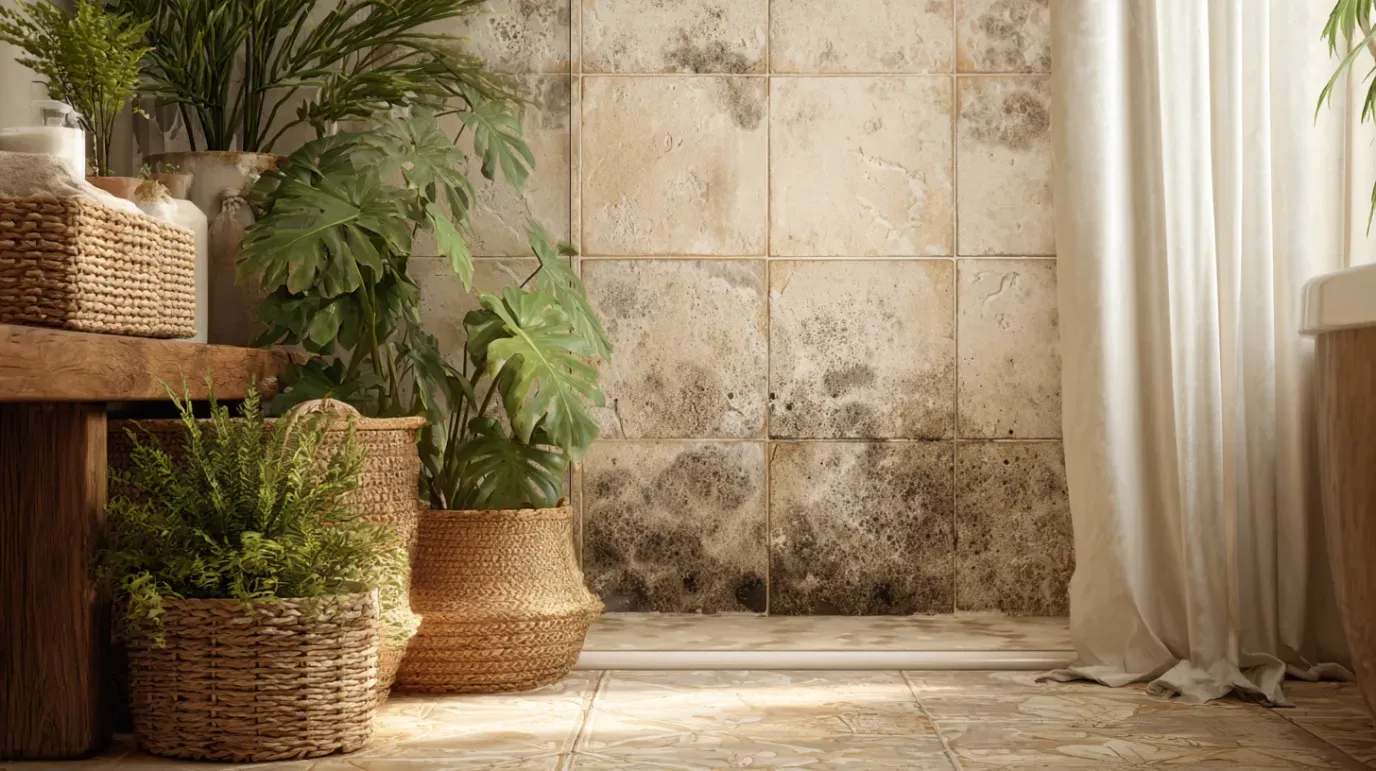
Indoor air quality testing can help evaluate whether airborne mold spores may be elevated inside a property, but mold concerns should be interpreted together with visual findings, moisture conditions, and property history. If mold is a primary concern, Indoor Mold Testing may be recommended as part of a more focused evaluation.
What is the difference between indoor air quality testing and mold testing?
Indoor air quality testing looks at broader environmental conditions inside the property, while mold testing focuses specifically on evaluating mold-related conditions through inspection and sampling when appropriate. If visible mold, musty odors, or suspected hidden growth are present, a Mold Assessment or Indoor Mold Testing may be the more appropriate service.
When should I schedule indoor air quality testing?
Indoor air quality testing may be appropriate when there are persistent odors, high humidity, recurring condensation, recent water damage, suspected mold, poor ventilation, or unexplained indoor environmental concerns. It can also be useful after renovations, leaks, or other events that may have affected conditions inside the property.
Can poor ventilation affect indoor air quality?
Yes. Poor ventilation can allow humidity, odors, particulates, and other indoor contaminants to accumulate over time. Evaluating ventilation conditions along with humidity and moisture levels can help provide a clearer picture of what may be contributing to indoor air quality concerns.
Can water damage or high humidity affect indoor air quality?
Yes. Water damage and elevated humidity can create conditions that support mold growth and other indoor environmental problems. If moisture is suspected behind walls, ceilings, or flooring, Moisture Mapping can help identify areas with elevated moisture that may require further evaluation.
How is indoor air quality testing performed?
Indoor air quality testing typically begins with a review of the property and the concerns being reported. Depending on the findings, the evaluation may include air sampling, humidity measurements, moisture readings, visual inspection, and laboratory analysis when appropriate.
How long does indoor air quality testing take?
The length of an indoor air quality evaluation depends on the size of the property, the number of areas being assessed, and the type of testing required. A smaller residential evaluation may be completed relatively quickly, while larger homes or commercial properties may require more time.
How long does it take to get indoor air quality test results?
Laboratory results are often available within a few business days, depending on the type of samples collected and the laboratory’s processing time. Once results are received, they should be reviewed together with the property findings so the data is interpreted in the proper context.
What is included in an indoor air quality report?
An indoor air quality report may include the areas evaluated, testing methods used, environmental observations, laboratory results when samples were collected, and recommendations based on the findings. If mold or moisture concerns are identified, the report may also recommend additional services such as Moisture Mapping or Mold Assessment Services.
What happens if an indoor air quality problem is found?
The next step depends on the type of issue identified. If elevated moisture, suspected mold, or other environmental concerns are found, additional evaluation may be recommended to determine the source and appropriate next steps. For mold-related concerns, Holistic Environmental Solutions can provide Indoor Mold Testing, Mold Assessment Services, or Moisture Mapping as appropriate.