

Our Services
Moisture Mapping & Water Damage Detection in South Florida
Identify hidden moisture, water intrusion, and areas affected by leaks with professional moisture mapping services for South Florida homes and businesses. Our evaluations use non-invasive tools to help locate moisture that may not be visible at the surface.
Why Moisture Mapping Matters After Water Damage
Moisture mapping after water damage can help identify elevated moisture behind walls, beneath flooring, around windows, and in other areas that may appear dry on the surface. Professional moisture mapping uses non-invasive tools to evaluate moisture levels throughout the property, helping identify where water may have traveled and which building materials may still be affected after a leak, flood, plumbing issue, or other water intrusion event.
By creating a clearer picture of the location and extent of moisture, the evaluation can help property owners make more informed decisions about drying, repairs, additional testing, and other next steps before hidden moisture contributes to more extensive damage or indoor environmental concerns.
How Professional Moisture Mapping Detects Hidden Water Damage
Professional moisture mapping combines visual inspection with non-invasive moisture-detection tools to identify areas where water may be trapped inside building materials. Depending on the property and conditions found, the evaluation may include infrared thermal imaging, moisture meters, and humidity measurements.
Professional Moisture Inspection & Mapping
A professional moisture inspection can combine visual evaluation, moisture readings, thermal imaging, and moisture mapping to identify areas that may require further investigation.
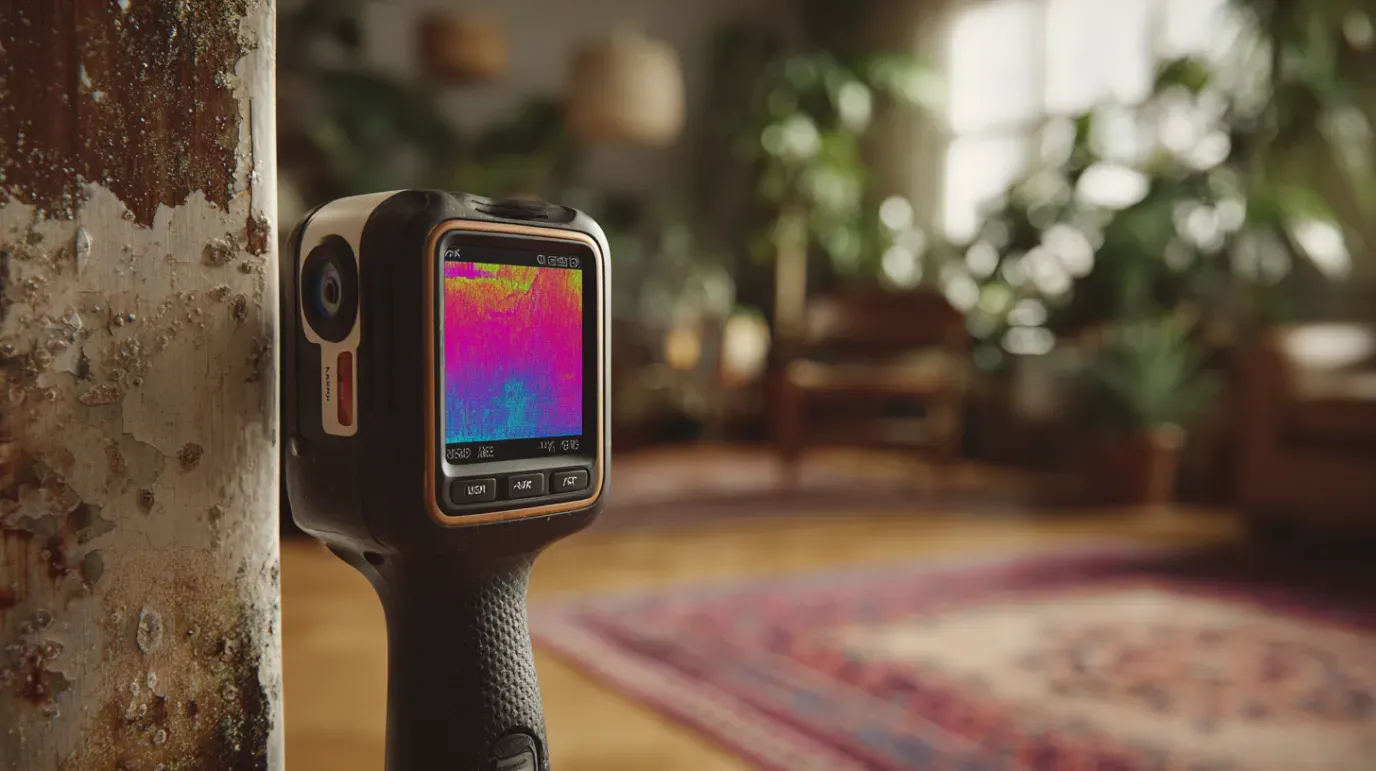
- Infrared (IR) Thermography Cameras: This is our primary tool for non-destructive testing. Thermal imaging in moisture intrusion inspection allows us to see temperature differences on surfaces that are invisible to the naked eye. Wet areas are typically cooler than dry ones due to evaporation, showing up as distinct patterns on our cameras, which helps us detect hidden moisture behind walls and ceilings.
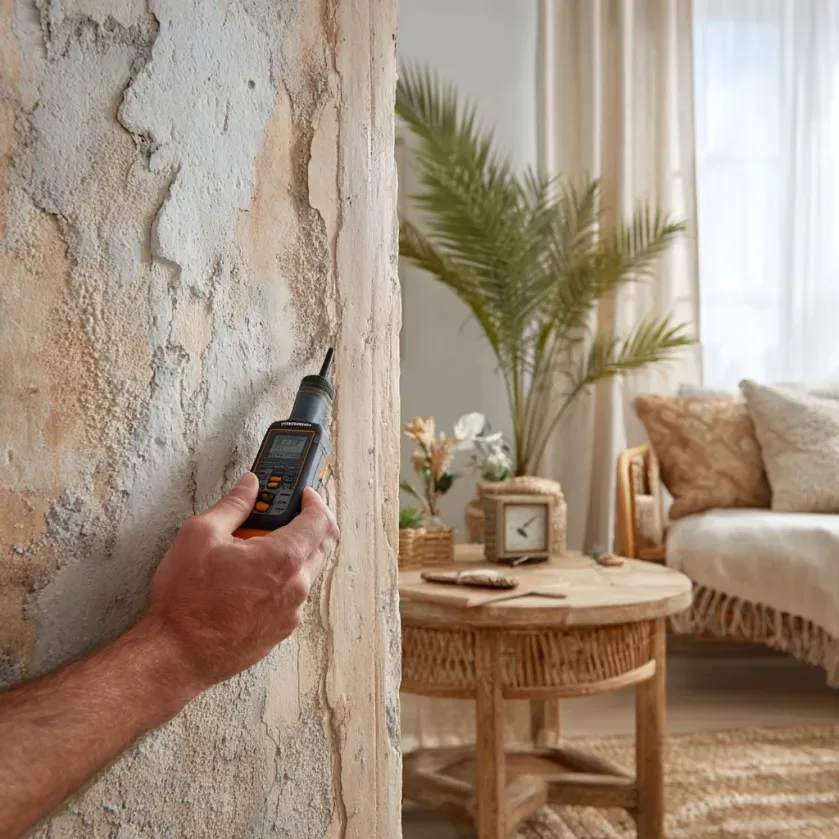
- Non-Penetrating Moisture Meters: These devices use radio frequencies to measure moisture content below the surface of materials like drywall, wood, and tile without leaving any marks. They allow for rapid scanning of large areas to identify potential problem zones.
- Penetrating Moisture Meters: For confirming the exact moisture content within building materials, we use penetrating meters with small probes. These provide precise, quantitative readings that are crucial for a thorough moisture inspection and assessing the severity of water damage.
- Hygrometers: These instruments measure the relative humidity and temperature of the air. Elevated indoor humidity is a major red flag for potential condensation and widespread moisture problems, making this a key part of our moisture mapping in Florida.
By combining these technologies, we create a comprehensive moisture map of your property. This data-driven process provides undeniable proof of water intrusion and gives you a clear path forward for repairs and mold prevention.
Key Scenarios That Require Moisture Mapping Services
Moisture mapping may be recommended after plumbing leaks, roof leaks, flooding, appliance failures, storms, or other water intrusion events. It can also be useful when stains, musty odors, or unexplained humidity suggest moisture may be hidden behind walls, ceilings, or flooring.
After a Plumbing Leak or Flood
Even after a visible cleanup, moisture can remain trapped. Mapping confirms that all affected areas are completely dry.
Before a Real Estate Transaction
A moisture inspection protects both buyers from hidden issues and sellers from future liability.
Musty Odors or Visible Mold Signs
Where there's mold or a musty smell, there's a moisture source. We find it.
Unexplained High Utility Bills
A hidden hot water leak can often be detected through thermal imaging, helping you identify energy waste.
Stains on Walls or Ceilings
Discoloration is a classic sign of water intrusion. We determine the extent of the underlying moisture.
Post-Hurricane or Storm Inspection
High winds and heavy rain can cause water to penetrate the building envelope in unexpected ways. Mapping finds these breaches.
What Happens When Hidden Moisture Is Left Undetected?
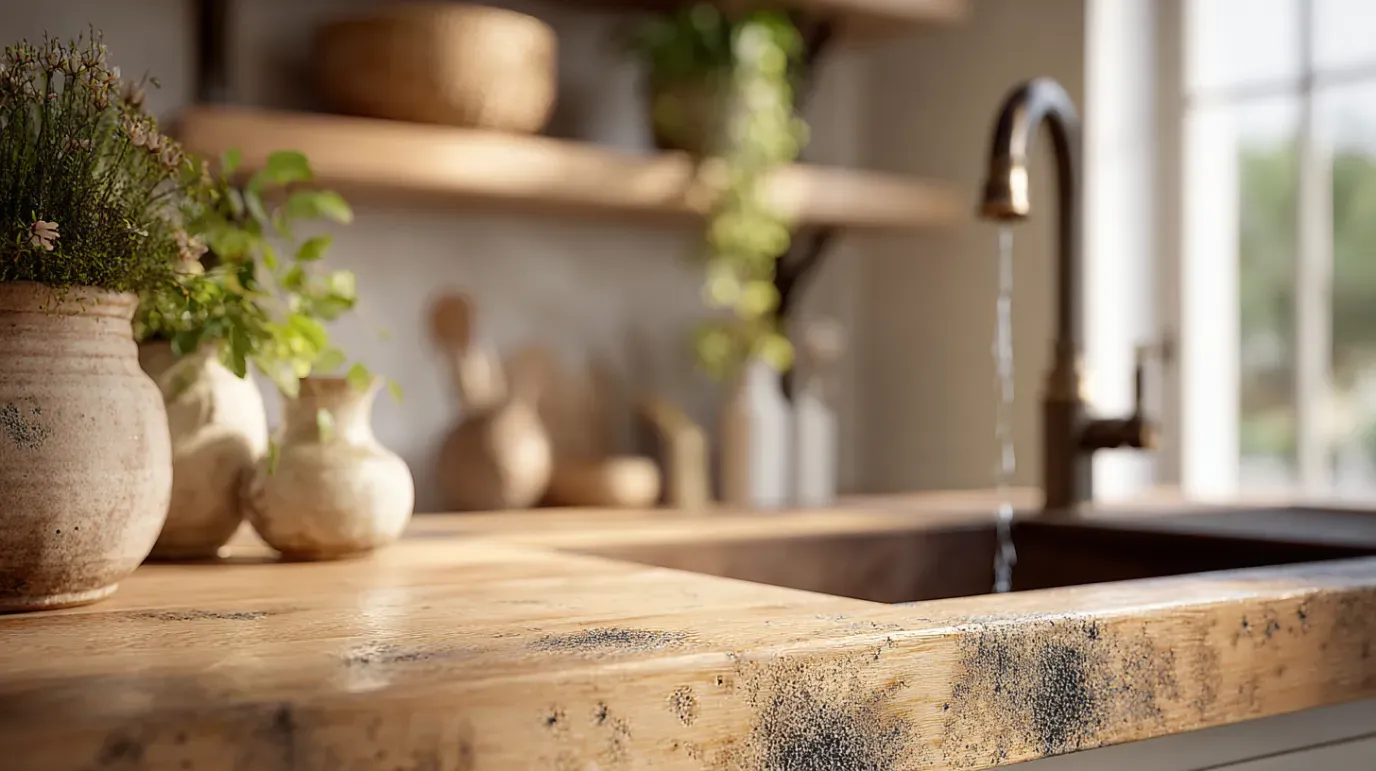
Hidden moisture can damage drywall, flooring, insulation, cabinetry, and other building materials even when the surface appears dry. If moisture remains trapped for an extended period, it can contribute to material deterioration, microbial growth, odors, and other indoor environmental concerns.
Structural Rot and Decay
Prolonged moisture weakens wood framing, subfloors, and drywall, leading to rot and compromising the building's stability.
Rapid Mold Growth
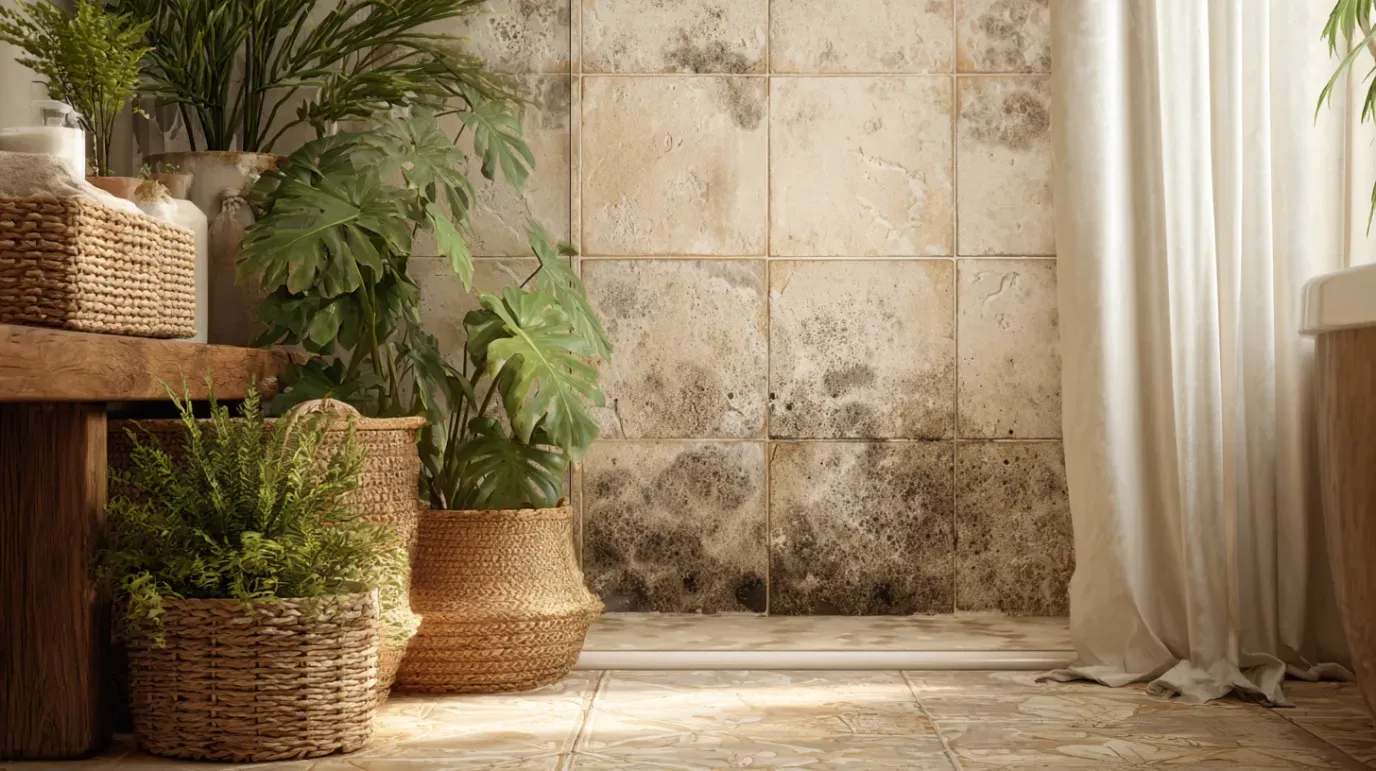
Mold can begin to grow on damp surfaces in as little as 24-48 hours, releasing spores that contaminate your indoor air.
Corrosion of Building Materials
Water can cause metal pipes, wiring, and HVAC components to rust and corrode, leading to expensive system failures.
Damaged Finishes
Moisture can cause paint to peel, wallpaper to bubble, and flooring to warp or buckle, ruining your property's appearance.
Pest Infestations
Damp environments are attractive to pests like termites, cockroaches, and rodents, leading to secondary infestations.
Compromised Insulation
Wet insulation loses its thermal resistance, becoming ineffective and leading to higher energy costs while also harboring mold.
Ignoring the possibility of hidden water damage allows these problems to escalate, resulting in more extensive and costly repairs. Professional moisture mapping in Florida is your first line of defense.
Benefits of Professional Moisture Mapping Services
Professional moisture mapping provides a clearer picture of where moisture is present, how far water may have traveled, and which areas may require additional drying, evaluation, or testing. This information can help homeowners, property managers, contractors, and other professionals make better-informed decisions after water intrusion.
Holistic Environmental Solutions provides professional moisture mapping and a thorough water intrusion inspection throughout Miami-Dade, Broward, Palm Beach, and Monroe counties. Our services help identify hidden moisture and structural dampness so you can better understand the condition of your property and take the appropriate next steps.
Key Benefits:
Accurate Problem Identification
We pinpoint the exact source and extent of moisture intrusion, which eliminates guesswork and allows for precise, effective repairs.
Non-Invasive and Non-Destructive
Our advanced technology allows us to detect hidden moisture behind walls and under floors without causing unnecessary damage to your property.
Proactive Mold Prevention
By finding and addressing water issues early, you stop mold before it has a chance to grow, protecting your property and the health of its occupants.
Detailed, Actionable Reports
Our reports include thermal images and a clear "moisture map" of affected areas, providing contractors with the exact information they need for remediation.
Insurance Claim Support
Our third-party documentation serves as credible evidence for property damage insurance claims, substantiating the need for repairs.
Complete Peace of Mind
Knowing the true condition of your property empowers you to make informed decisions to preserve its value and ensure a safe indoor environment.
Don't let hidden water damage compromise your property. Contact Holistic Environmental Solutions today for professional moisture mapping services.

Frequently Asked Questions About Moisture Mapping
Have questions about detecting hidden moisture? This section provides expert answers to common inquiries about our moisture mapping process, from the technology we use to the solutions we provide. We're here to help you understand and resolve water intrusion issues with confidence.
What is moisture mapping?
Moisture mapping is the process of identifying and documenting areas of elevated moisture throughout a property. Using professional moisture-detection tools, an inspector can evaluate walls, ceilings, flooring, and other building materials to determine where water may have traveled after a leak, flood, plumbing problem, or other water intrusion event.
How does moisture mapping detect hidden water damage?
Moisture mapping uses tools such as infrared thermal imaging, moisture meters, and humidity measurements to identify areas that may contain elevated moisture even when surfaces appear dry. The findings help create a clearer picture of where water may be present and which areas may require additional evaluation or drying.
When should you get moisture mapping after a leak or flood?
Moisture mapping should be considered when a property has experienced a plumbing leak, roof leak, flooding, appliance failure, storm-related intrusion, or another source of unexpected water. It can be especially useful when you are unsure how far the water traveled or whether moisture remains behind walls, ceilings, or flooring.
Can moisture mapping detect water behind walls?
Yes. Professional moisture mapping can help identify elevated moisture conditions behind walls without immediately opening the wall. Infrared imaging and moisture meters can help locate suspicious areas so additional investigation can be focused where it is actually needed.
Can moisture mapping find moisture under flooring?
Moisture mapping can help identify elevated moisture beneath or within certain flooring systems and the materials below them. The ability to evaluate these areas depends on the type of flooring, construction materials, and moisture-detection equipment being used.
What tools are used for professional moisture mapping?
Professional moisture mapping may include infrared thermal cameras, non-invasive moisture meters, penetrating moisture meters, and hygrometers that measure indoor humidity conditions. These tools are used together with a visual evaluation to better understand where moisture may be present and how widespread the affected area may be.
Is moisture mapping destructive?
Moisture mapping is generally a non-invasive process and can often identify areas of concern without removing drywall, flooring, or other finishes. If readings suggest moisture may be trapped inside a material, more targeted investigation may be recommended rather than opening large areas unnecessarily.
Can moisture mapping help identify conditions that may lead to mold?
Yes. Moisture is one of the primary conditions that can support mold growth, so identifying and addressing elevated moisture early can help reduce the likelihood of hidden mold developing or spreading. If moisture mapping reveals suspicious conditions or there are additional signs of mold, professional indoor mold testing may be recommended.
What is the difference between moisture mapping and a mold inspection?
Moisture mapping focuses specifically on locating and documenting elevated moisture and water intrusion, while a mold inspection evaluates the property for conditions associated with mold growth, visible mold concerns, and other environmental findings. When both moisture and mold are concerns, Holistic Environmental Solutions may combine moisture evaluation with a broader mold assessment.
What is included in a moisture mapping report?
A moisture mapping report may document the areas evaluated, moisture readings, locations with elevated readings, observations made during the inspection, and other relevant findings. The report can help homeowners, property managers, contractors, or other professionals understand where moisture was identified and what areas may require further attention.
How long does a moisture mapping inspection take?
The time required depends on the size of the property, the number of areas affected, and how extensive the suspected water intrusion is. A limited plumbing leak may require a relatively focused evaluation, while larger water-loss events or multiple affected rooms may take longer to document properly.
What should I do if elevated moisture is found?
If elevated moisture is identified, the next step is usually to determine and correct the source of the water and address any materials that remain wet. If there are also musty odors, visible growth, previous water damage, or concerns about indoor environmental conditions, additional services such as Indoor Mold Testing or Indoor Air Quality Testing may be appropriate.