
South Florida Flooding: How Quickly Can Mold Grow After Heavy Rain and King Tides?
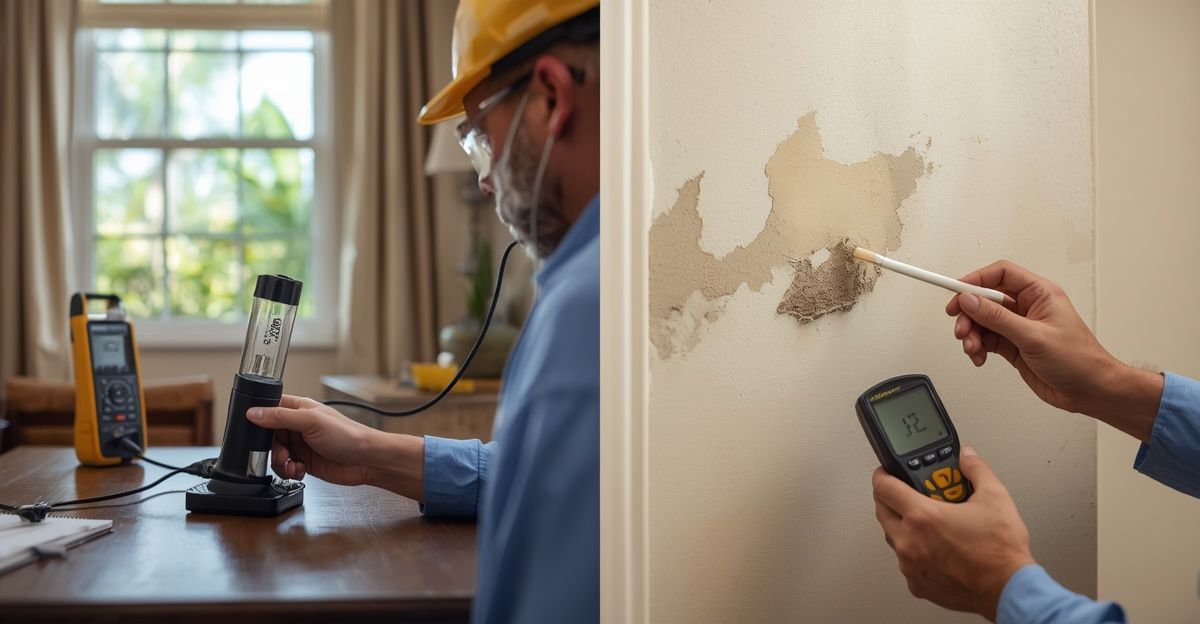
After days of exceptionally high tides and heavy rainfall, South Florida homeowners may be wondering whether water that entered a garage, bedroom, business or condominium could lead to mold. The immediate concern is not just what looks wet. Water can move into drywall, baseboards, insulation and flooring, then remain hidden after the surface appears dry.
The short answer: mold can begin growing on damp materials within about 24–48 hours under favorable conditions. That does not mean every wet surface develops visible mold in two days. It means prompt water removal, thorough drying and attention to concealed moisture are essential. When the extent of damage is unclear, an independent professional mold assessment can help identify conditions requiring action.
What Happened in South Florida During the November 2026 Flooding?
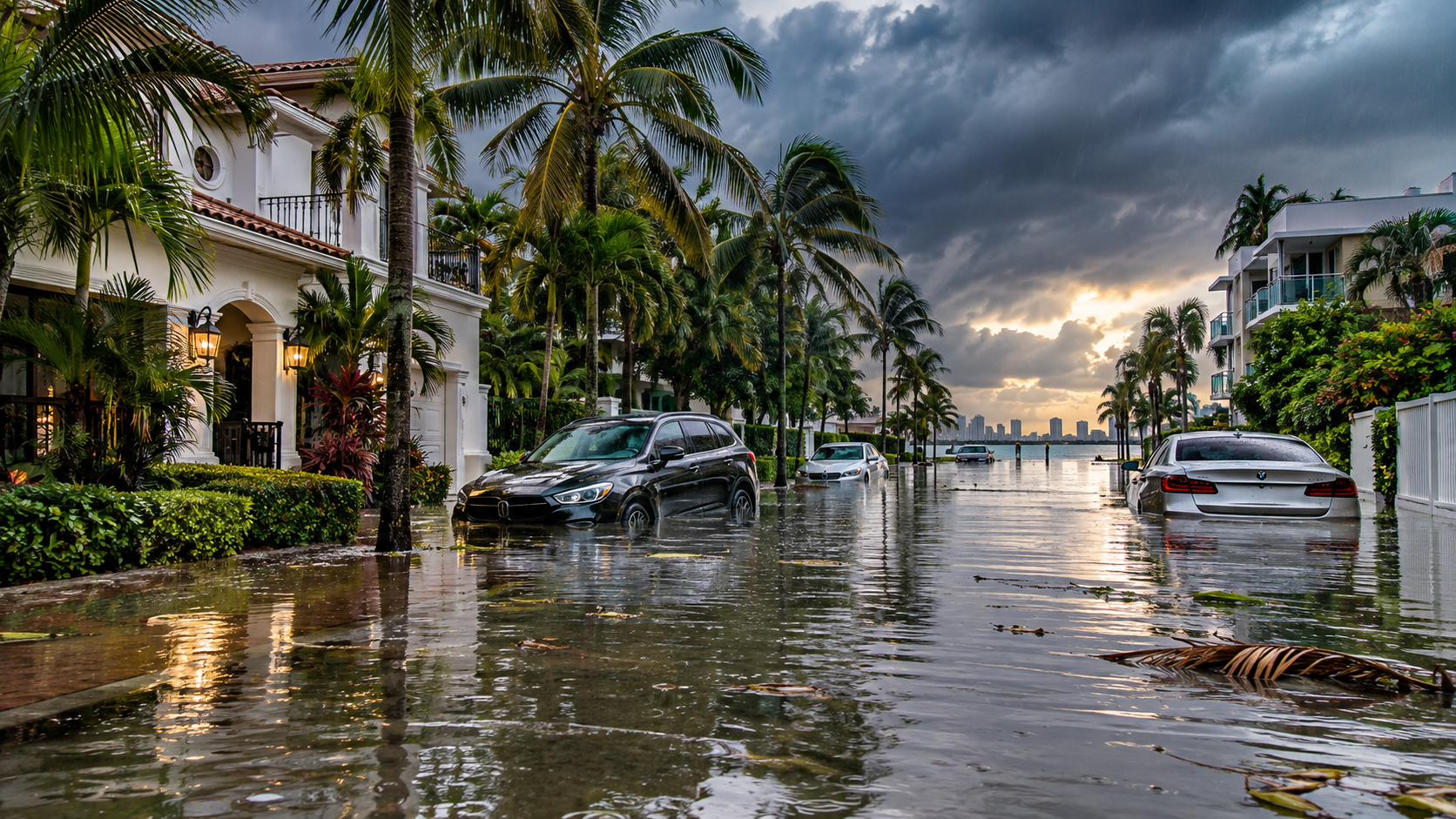
South Florida faced two overlapping water threats: unusually high coastal tides and intense rain. During late October, king tides pushed water over seawalls and through drainage systems in low-lying communities, including parts of Fort Lauderdale and Miami Beach. Then heavy storms on November 1–2 saturated neighborhoods across the region. Florida Public Radio Emergency Network reported especially extreme rainfall in parts of Palm Beach County, while Miami-Dade experienced intense localized storms. CBS Miami reported flood-watch and coastal-flood concerns on November 2.
For property owners, those headlines matter because standing street water and water intrusion are different from ordinary afternoon showers. Floodwater can carry contaminants, and repeated rain can prevent already damp materials from drying. A dry street the next morning does not guarantee that a wall, floor or cabinet inside the property is dry.
How Fast Does Mold Grow After Flooding?
Mold spores are naturally present indoors and outdoors. They need moisture and suitable material to grow. The U.S. Environmental Protection Agency advises homeowners to assume mold growth may be present when a flooded home and its contents cannot be dried within 24–48 hours. This is a practical response window, not a guarantee that mold will be visible at a specific hour.
First 24 Hours: Remove Water and Begin Drying
Once officials and qualified professionals confirm that entering the property is safe, document the damage, stop additional water intrusion if possible and arrange appropriate extraction and drying. Wet carpet padding, insulation, drywall and cabinets can hold water long after puddles disappear. Never enter standing water near electrical equipment, and avoid contaminated floodwater.
24–48 Hours: Hidden Dampness Becomes a Priority
If materials remain wet after a day or two, the likelihood of mold growth increases. Water can wick upward through drywall or seep under vinyl flooring, laminate and cabinetry. Dehumidifiers, ventilation and professional drying may be necessary, but simply running the air conditioner is not proof that concealed cavities have dried.
After 48 Hours: Do Not Assume the Problem Is Over
A room may smell normal and look clean while damp materials remain behind baseboards or walls. If you cannot verify that everything dried thoroughly, arrange an evaluation rather than waiting for dark spots to appear. Visible growth, musty odors, soft materials or returning stains are additional reasons to investigate.
Why Do King Tides and Heavy Rain Increase Mold Risk?
King tides are exceptionally high predicted tides. In South Florida, they can flood low coastal streets even without rain. When high tides occur around the same time as strong winds or downpours, drainage can be less effective and flooding may be more severe. Rainwater may enter through roofing, windows or doors; tidal water may rise through streets, garages and low openings.
These events do not automatically mean every nearby house has mold. The key distinction is whether water actually entered the structure, how far it traveled, which materials were affected and how quickly everything was dried. For other warning signs, see our guide to signs you need a mold inspection.
Where Can Flood-Related Mold Hide in a Florida Home?
Inspectors pay particular attention to materials that absorb moisture and spaces where air circulation is limited. A homeowner may see just one small stain even when the moisture footprint extends farther.
- Behind drywall and baseboards, where water can wick upward from wet floors.
- Under flooring and carpet padding, especially where water collected near exterior doors.
- Inside cabinets, vanities and closets that remained closed during the water event.
- Around windows, roof penetrations and ceiling cavities after wind-driven rain.
- Near air-conditioning equipment or ductwork when leakage or condensation is involved.
An assessment may use moisture mapping and readings to identify areas with elevated readings and document the boundaries of suspected water intrusion. Moisture meters do not detect mold directly, but they can help locate materials that deserve closer investigation. You can also review signs you need a mold inspection for other warning signs.
What Should You Do Immediately After Floodwater Reaches Your Property?
The correct order is safety first, documentation second and drying as soon as conditions allow. Do not delay water extraction while waiting for an inspection appointment or laboratory report.
1. Confirm It Is Safe to Enter
Stay out if there are structural concerns, standing water near electricity, suspected sewage contamination or other hazards. Follow local emergency guidance and use qualified cleanup professionals when necessary. People with asthma, significant allergies or weakened immune systems should avoid moldy cleanup areas.
2. Photograph Damage and Report the Loss
Take photographs of water lines, wet rooms, damaged belongings and affected materials before discarding items, where safe. Contact your insurer promptly and ask what documentation is needed. A mold assessment is not a substitute for a water-mitigation or insurance inspection.
3. Remove Water and Dry Wet Materials
Have water removed and begin controlled drying as soon as possible. The CDC advises drying homes and contents within 24–48 hours when feasible. Items that cannot be completely cleaned and dried may need removal, especially when exposed to contaminated floodwater. Avoid mixing cleaning chemicals and never combine bleach with ammonia.
4. Identify Concealed Moisture
Ask whether moisture was checked beneath flooring, in wall bases and behind cabinets, not only on exposed surfaces. Where the extent or source remains uncertain, moisture mapping and readings can provide a more detailed picture of affected areas.
5. Schedule an Assessment When Warning Signs Remain
If you still smell dampness, see staining, suspect concealed water, or cannot confirm thorough drying, scheduling a professional mold assessment can help establish what additional investigation or work is appropriate. If you have already discovered visible growth, our article on what to do if you find mold explains practical next steps.
When Should You Schedule a Mold Inspection After Flooding?
Consider contacting a licensed mold assessor promptly when water entered occupied spaces, porous materials stayed damp beyond 24–48 hours, an odor develops, or the property has a history of leaks. An inspection may also be useful when multiple rooms were affected, the source is unclear, or documentation is needed before repairs or property transactions.
A mold inspector typically evaluates visible conditions and possible water sources, reviews affected areas and documents moisture concerns. Indoor mold testing may be considered when targeted sampling will answer a meaningful question; it is not necessary in every case. The EPA specifically notes that sampling is often unnecessary when mold is already visible. An appropriate scope should reflect the property, rather than automatically selling every possible test.
For a sense of the appointment itself, read how long a mold inspection takes. If repair or removal work is needed, a separate remediation contractor performs that work; an independent assessor may prepare remediation protocols and later perform post-remediation verification, as appropriate.
Can Flooding Affect Indoor Air Quality Even Without Visible Mold?
Yes. Flooding can introduce dirt and other contaminants, damage materials and create damp conditions that support microbial growth. A musty smell without visible spots may point to a concealed moisture problem, although odor alone cannot establish a diagnosis. If occupants report persistent indoor air concerns, a professional may recommend targeted air quality testing alongside a physical assessment when the results would help guide decisions.
Do not rely on the color of a stain to judge its potential health impact, and do not assume every cough or headache is caused by mold. Anyone with symptoms should consult an appropriate healthcare professional. The most dependable property-level strategy is to eliminate unwanted moisture and address contaminated or damaged materials correctly.
Frequently Asked Questions About Flooding and Mold in South Florida
These answers address the urgent questions homeowners and business owners are asking after November’s rainfall, coastal flooding and king tides. The right next step depends on whether water entered the building and how thoroughly the affected materials were dried.
Can mold grow within 24 hours after a flood?
Mold can begin developing quickly when spores land on damp materials, but exact timing varies. The key guidance is to dry a flooded home and contents within 24–48 hours when possible; if that cannot be done, assume mold growth may be present and plan an appropriate response.
Should I get a mold inspection if my home flooded yesterday?
Start with safety and water removal immediately. Consider a mold assessment if water entered walls, floors or cabinets, if the source or extent is uncertain, or if materials cannot be fully dried promptly. You do not need to wait until mold is visible.
Can king-tide flooding cause mold inside a home?
Yes, if tidal water enters a building and leaves materials damp. Flooding on the street alone does not prove there is indoor mold. Investigate actual water intrusion, wet materials and any persistent moisture.
Will mold disappear when the floodwater dries?
Not necessarily. Drying stops the moisture conditions that support further growth, but already contaminated materials may still require cleaning or removal. A clean-looking surface does not prove concealed areas are dry.
Do I need an air test after flood damage?
Not always. The EPA says mold sampling is often unnecessary when visible mold is present. An assessor can recommend targeted sampling only when it would help answer a specific question or inform the project.
Can moisture mapping find hidden mold behind walls?
Moisture mapping measures or estimates moisture conditions; it does not directly identify mold. Elevated readings can show where further investigation is needed, especially after water has moved into wall bases, flooring or cabinets.
How soon should I book an inspection in Broward, Miami-Dade or Palm Beach County?
If water entered the property and thorough drying cannot be confirmed, contact a qualified professional as soon as practical. Do not postpone emergency mitigation to wait for a mold assessment. Explain the date of flooding, affected rooms and any odors or visible changes when booking.
Schedule a South Florida Mold Assessment After Flooding
If this week’s rain or king tides left your home or business wet, taking action now can prevent uncertainty from turning into a more complicated repair. Holistic Environmental Solutions provides independent mold assessment, moisture evaluation and testing services throughout Miami-Dade, Broward, Palm Beach and Monroe counties. Our role is to help you understand the conditions—not to perform floodwater extraction or mold removal.
For concerns about damp walls, flooring, hidden water or suspected growth, contact Holistic Environmental Solutions or call (786) 580-9374 to discuss an appropriate inspection. The company advertises 10% off when booking online; confirm the current terms when scheduling. Describe what happened, when water entered and which areas were affected so the team can recommend the right next step.
About Holistic Environmental Solutions
Holistic Environmental Solutions provides independent mold assessment and environmental testing services throughout South Florida, including Mold Assessment Services, Indoor Mold Testing, Air Quality Testing, Moisture Mapping & Readings, Remediation Protocols, and Post-Remediation Verification. Our team serves Miami-Dade, Broward, Palm Beach, and Monroe counties, helping property owners better understand mold, moisture, and indoor air quality concerns with clear, objective findings.
Florida Licensed Mold-Related Services Assessor #MRSA5496
Recent Posts