
How Long Does a Mold Inspection Take in Florida? Timeline, Preparation & Results
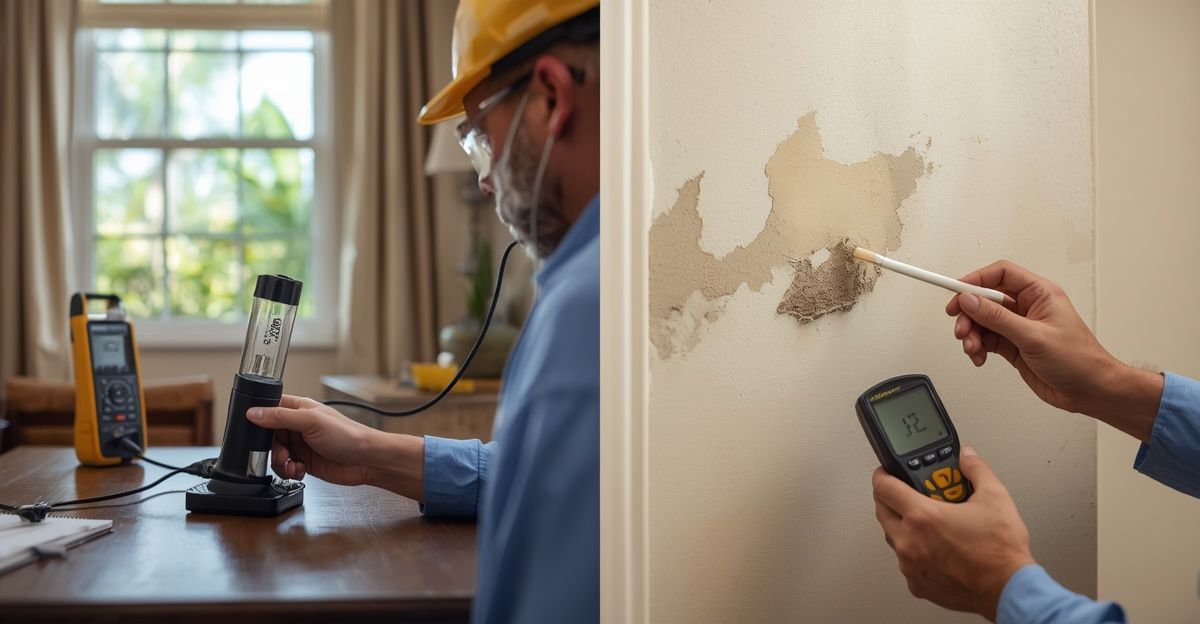
A typical residential mold inspection may take roughly one to three hours on-site, but the actual duration depends on the size of the property, the areas of concern, accessibility, and whether samples are collected. Laboratory testing and the final written interpretation may require additional days. Before booking, ask your inspector for separate estimates for the on-site appointment and the completed report.
For South Florida homeowners, a musty odor, a past plumbing leak, or stains around an air-conditioning system can make that timeline feel urgent. Understanding the process helps you schedule intelligently, avoid rushed decisions, and know what you are paying for.
How Long Does a Mold Inspection Usually Take?
There is no universal inspection length. A focused evaluation of a small accessible area may be relatively quick, while a whole-home assessment with several moisture concerns takes longer. The time ranges below are general planning estimates, not a guaranteed appointment length or a stated service commitment from Holistic Environmental Solutions.
Typical On-Site Time by Property Type
- Small condo or apartment: approximately one to two hours for a relatively straightforward assessment.
- Typical single-family home: approximately two to three hours when multiple rooms and common moisture-prone areas are reviewed.
- Large house or complicated property: three hours or longer, particularly when multiple HVAC systems, past leaks, or hard-to-access areas are involved.
- Commercial property: the time varies substantially with square footage, building use, documentation needs, and inspection scope.
These are planning ranges, not promises. Discuss your property and proposed scope with the assessor before booking.
What Happens During a Professional Mold Inspection?
An effective assessment is more than a quick walk-through. The inspector gathers the property history, examines relevant accessible areas, investigates moisture conditions, and decides whether sampling will answer a meaningful question. The goal is to identify suspected growth and conditions that allow it to develop, then document appropriate next steps.
1. Discussion of the Property and Its History
Expect questions about water intrusion, plumbing repairs, roof issues, condensation, past remediation, and persistent odors. Mention when the problem began, whether it changes after rain, and any previous testing. Even a small stain may matter if it keeps returning.
2. Visual and Moisture Assessment
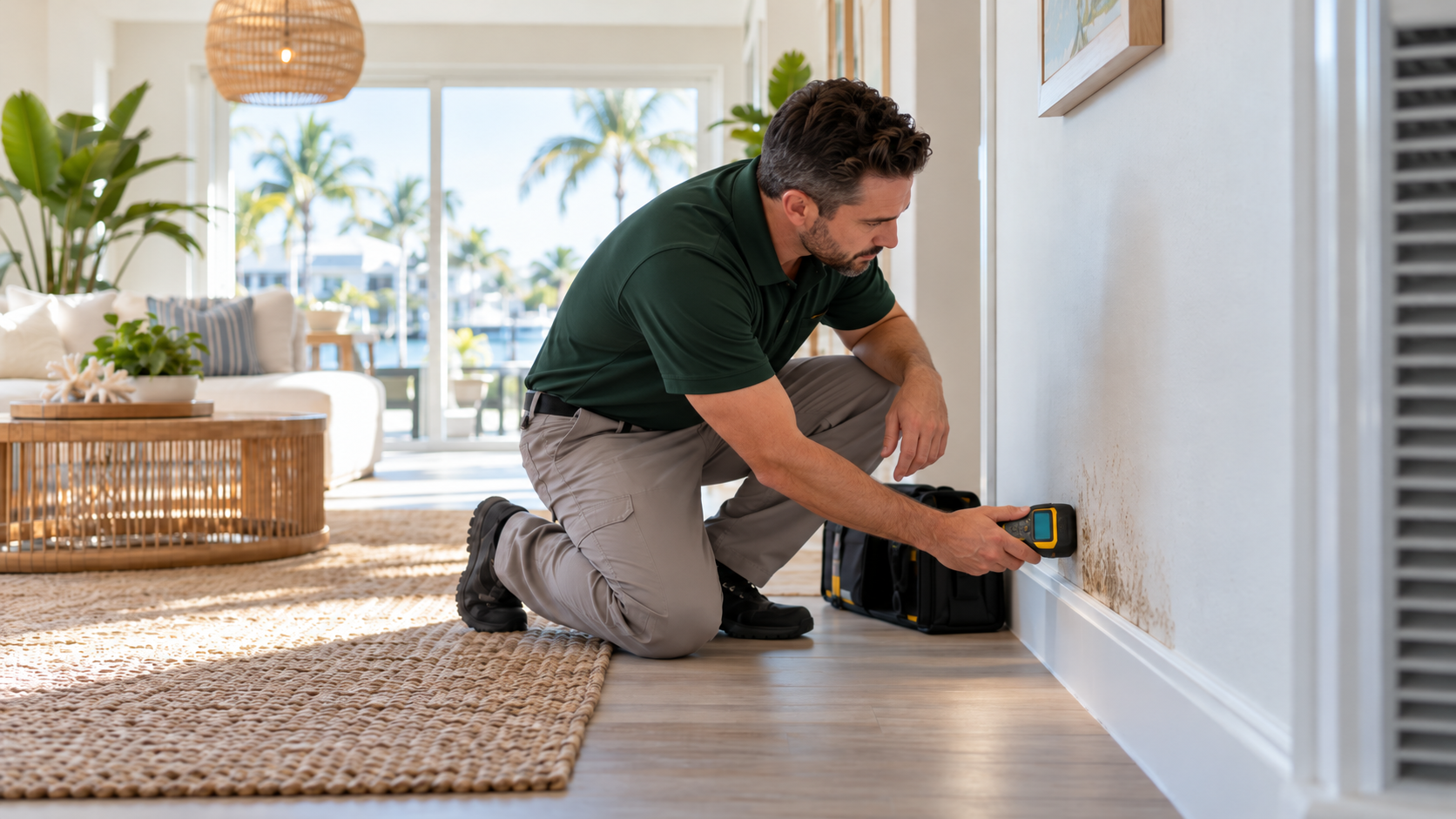
The assessor may inspect accessible walls, ceilings, baseboards, sinks, HVAC-related areas, and other locations connected to the reported concern. Moisture meters and sometimes thermal imaging help identify unusual moisture patterns. Neither tool independently proves that mold is present: results must be interpreted alongside physical observations and building conditions.
For more background, see our guide to whether a moisture meter can detect mold.
3. Air or Surface Sampling When Appropriate
Sampling is not necessary for every visible mold concern. The U.S. Environmental Protection Agency notes that when mold is visibly present, sampling is often unnecessary; fixing the moisture source and addressing growth remain priorities. However, an assessor may recommend targeted air or surface samples when the information could inform the decisions being made.
Learn how the two methods differ before assuming that every appointment should include both.
What Factors Make a Mold Inspection Take Longer?
The appointment may expand when there is more to investigate than the initial complaint suggests.
Size, Access, and Number of Concern Areas
- A larger floor plan adds rooms and building systems to review.
- Furniture, storage, locked rooms, or inaccessible equipment may delay the visual assessment.
- Multiple leak locations can require separate moisture investigations.
- Prior repairs or remediation may require comparing current conditions with past records.
Water Damage and Hidden Moisture
A home that looks dry today may still have moisture inside porous materials following a leak. In humid South Florida conditions, repeated condensation and insufficient drying can complicate the investigation. An inspector may recommend a focused moisture assessment if the main question is where water traveled rather than whether a visible spot is mold.
Related reading explains why concealed moisture is important: How Water Damage Can Lead to Hidden Mold Behind Walls and Floors
How Long Does It Take to Get Mold Test Results?
The inspection appointment and the final results are separate stages. When no laboratory samples are collected, the assessor may be able to provide observations and recommendations sooner. When samples are sent to a laboratory, the lab must process them before the assessor can interpret the findings in the context of the property.
Some mold-testing providers quote approximately three to five business days for routine laboratory results, although actual turnaround varies by laboratory, shipping, sample type, holidays, and workload. The written report may follow on a different schedule. Always confirm the expected timing with the provider rather than assuming same-day results.
What Should the Written Report Explain?
- The inspected areas, relevant observations, and limitations of access.
- Moisture conditions or probable sources requiring correction.
- Which samples were taken, where, and why, if testing was performed.
- Laboratory findings explained in the context of the property, not as a stand-alone “safe” or “unsafe” number.
- Recommended next steps, including additional evaluation or remediation when warranted.
Mold test results can be confusing without context. Read our guide to understanding spore counts and reports: How to Read Mold Test Results and Spore Counts
How Should You Prepare Your Home for a Mold Inspection?
You do not need to completely reorganize the property. You do need to make the reported problem easy to understand and the relevant areas reasonably accessible. Preparation also prevents accidental changes to conditions the inspector needs to evaluate.
Before the Inspector Arrives
- Make a list of musty odors, stains, leaks, and rooms where concerns are recurring.
- Gather photos, plumbing invoices, water-damage records, and previous mold reports if available.
- Clear safe access to affected walls, under-sink cabinets, and relevant equipment.
- Tell the inspector about recent cleaning, painting, dehumidifier use, or water extraction.
- Ask whether the testing plan requires any special preparation of windows, HVAC settings, or air-cleaning devices; follow the assessor’s instructions rather than changing conditions on your own.
Avoid disturbing suspected mold, opening a wall, or scraping material merely to show the inspector. If water is actively leaking, address the immediate water problem promptly and tell the assessor what actions were taken.
Do You Need to Leave the House During an Inspection?
Usually, occupants can remain home during a routine noninvasive visual assessment, although specific rooms may need to remain clear while testing is underway. The inspector may request limited access, fewer people moving through a room, or other precautions to protect samples from interference. Circumstances involving significant disturbance, unsafe conditions, or other hazards require case-specific advice.
Ask about pets and children before the appointment. A clear plan for access makes the visit easier without assuming that the entire house must be vacant.
When Should You Schedule a Mold Inspection?
Booking sooner can make sense when a moisture problem is ongoing, recurring, or difficult to explain. A professional evaluation may also help when documentation is needed for a property transaction or after water damage. Mold does not always look like a dramatic black patch; the history and moisture conditions matter.
Common Reasons Homeowners Call
- A persistent musty odor without an obvious source.
- Water stains that return after cleaning or repainting.
- A roof leak, plumbing failure, or AC condensation issue that may have affected hidden materials.
- Questions raised during a real-estate purchase or before a tenant moves in.
- Uncertainty about whether remediation was completed adequately.
If your main concern is a musty smell without visible growth, start with our focused article on that scenario: House Smells Musty but No Visible Mold
Should You Book Mold Inspection or Mold Testing?
The terms are often used interchangeably, but they describe different activities. An inspection or assessment evaluates building conditions and potential sources of growth; testing analyzes selected air or surface samples. You may need an assessment without extensive sampling, or sampling may be appropriate to answer a question the visual review cannot resolve.
Because the EPA has not established federal airborne mold-spore limits, a single laboratory figure should not be treated as proof that a home passes or fails a federal safety standard. A knowledgeable assessor evaluates the whole situation and explains what the data can and cannot show.
Compare the services before scheduling: Mold Inspection vs. Mold Testing in Florida
What Should You Ask Before Hiring a Mold Inspector in Florida?
A good booking conversation establishes the scope, cost structure, expected timeline, and what happens after the visit. Florida regulates mold-related services and licenses individual practitioners in covered circumstances. You can verify a professional’s license with the Florida Department of Business and Professional Regulation.
Five Questions Worth Asking
- Who will perform the assessment, and what is their applicable Florida license information?
- Which areas and moisture conditions are included in the quoted inspection?
- Will samples be recommended only when they help answer a specific question?
- When should I expect the site visit, laboratory findings, and written report?
- What documentation and next-step recommendations will I receive?
Florida also restricts certain assessment and remediation work on the same structure by the same assessor or company within a 12-month period. This separation is one reason to discuss independence and potential conflicts before hiring.
For a broader checklist, see our article on selecting a qualified inspection company: How to Choose a Mold Inspection Company in South Florida
Frequently Asked Questions About Mold Inspection Timing
Have questions about how long a mold inspection takes or when you can expect your results? We've answered some of the most common questions South Florida homeowners ask about inspection timelines, preparation, laboratory testing, and what to expect throughout the process.
Can a mold inspection be completed in one day?
The on-site inspection is often completed during a single appointment. Laboratory analysis and the final written report, if samples are collected, can take additional time. Confirm both timelines when scheduling.
How long does a mold inspection take in a condo?
A straightforward condo assessment may take about one to two hours on-site, but that is only a planning estimate. Shared walls, previous leaks, HVAC access, and the number of suspected problem areas affect the scope.
Can I get same-day mold testing results?
A visual finding may be discussed during the visit, but laboratory-based results generally are not immediate. Ask whether expedited laboratory processing is available and what it includes; do not assume rush service is offered.
Will the inspector need to cut into my drywall?
Not necessarily. Many inspections start with noninvasive visual review and moisture measurements. Invasive investigation requires separate consideration, permission, and safety precautions; never assume wall opening is included in a standard appointment.
Does every mold inspection include air sampling?
No. Sampling depends on the concern and whether the findings will improve the decision. The EPA indicates that sampling is often unnecessary where mold is already visible. An assessor should explain the rationale for any proposed samples.
How soon after a leak should I schedule an inspection?
Act immediately to stop the water source and begin appropriate drying. If materials remained wet, moisture is concealed, staining returns, or the extent is unclear, arrange a qualified assessment promptly rather than waiting for visible growth.
Can I stay home while the mold inspector works?
In many routine inspections, yes. Some sampling procedures or specific site conditions may require temporarily keeping certain spaces clear. The assessor should explain any requirements before the appointment.
Is the inspection report the same as a mold remediation protocol?
Not always. A general report describes findings; a remediation protocol, when needed, provides more specific guidance for corrective work. Ask which deliverable is included and whether a separate scope or fee applies.
Schedule a Professional Mold Assessment in South Florida
The right timeline is one that allows your concern to be evaluated carefully and your results to be explained clearly. Whether you are investigating a musty room, past water intrusion, or a possible hidden moisture problem, clarify the scope, on-site duration, and report expectations before booking. Holistic Environmental Solutions provides assessment-related services for property owners looking to understand their next steps.
Explore our mold assessment services, or contact us to discuss your property and request an appointment. Online booking may qualify for the current website offer; review the terms shown at booking.
About Holistic Environmental Solutions
Holistic Environmental Solutions provides independent mold assessment and environmental testing services throughout South Florida, including Mold Assessment Services, Indoor Mold Testing, Air Quality Testing, Moisture Mapping & Readings, Remediation Protocols, and Post-Remediation Verification. Our team serves Miami-Dade, Broward, Palm Beach, and Monroe counties, helping property owners better understand mold, moisture, and indoor air quality concerns with clear, objective findings.
Florida Licensed Mold-Related Services Assessor #MRSA5496
Recent Posts