How to Choose a Mold Inspection Company in South Florida: 8 Questions to Ask Before You Hire

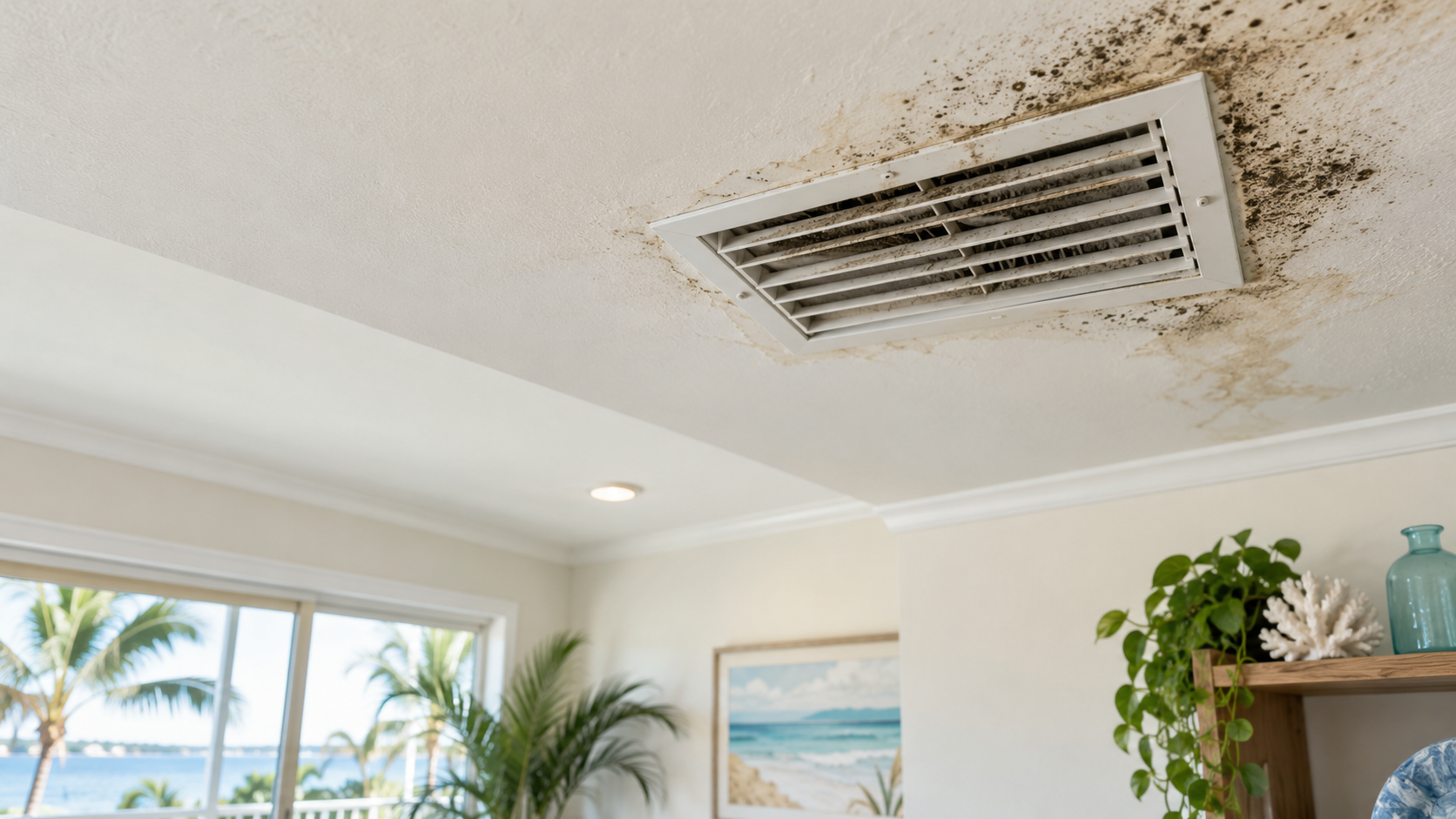
Choosing a mold inspection company is an important decision, especially when you are dealing with visible mold, musty odors, water damage, or concerns about hidden moisture in your home. In South Florida, where humidity and moisture problems are common, working with the right professional can make a major difference in understanding the condition of your property and determining the appropriate next steps.
Not every mold inspection company offers the same level of service, experience, or testing options. Before hiring a professional, it helps to know what questions to ask, what qualifications to look for, and what should be included in a thorough mold inspection.
In this guide, we’ll walk through eight important questions to ask before choosing a mold inspection company in South Florida so you can feel more confident about who you hire and the information you receive.
1. Are You Licensed to Perform Mold Assessments in Florida?
One of the first questions to ask a mold inspection company is whether the person performing the assessment is properly licensed for the work being provided. Licensing helps ensure that the inspector has met Florida’s requirements for performing mold-related assessments and understands how to evaluate conditions inside a property.
Before scheduling, consider asking:
- Who will be performing the inspection? Make sure you know whether the assessment will be completed by a qualified mold professional.
- What does the inspection include? A professional mold assessment should go beyond simply looking for visible mold and may include evaluating moisture conditions, areas of water intrusion, and other signs of potential mold growth.
- Will testing be recommended if needed? Depending on the conditions found, Indoor Mold Testing may be appropriate to gather additional information about the property.
- Will I receive documentation of the findings? A written report can help you better understand the areas of concern and the recommended next steps.
Choosing a professional who can clearly explain their qualifications, process, and findings can make it easier to feel confident in the information you receive and the decisions you make afterward.
2. What Is Included in Your Mold Inspection Services?
Before hiring a mold inspection company, it is important to understand exactly what is included in the service. A thorough mold inspection should involve more than simply checking areas where mold is already visible.
Ask whether the inspection may include:
- A visual assessment of the property. The inspector should evaluate areas with visible growth, staining, water damage, or other signs of moisture-related concerns.
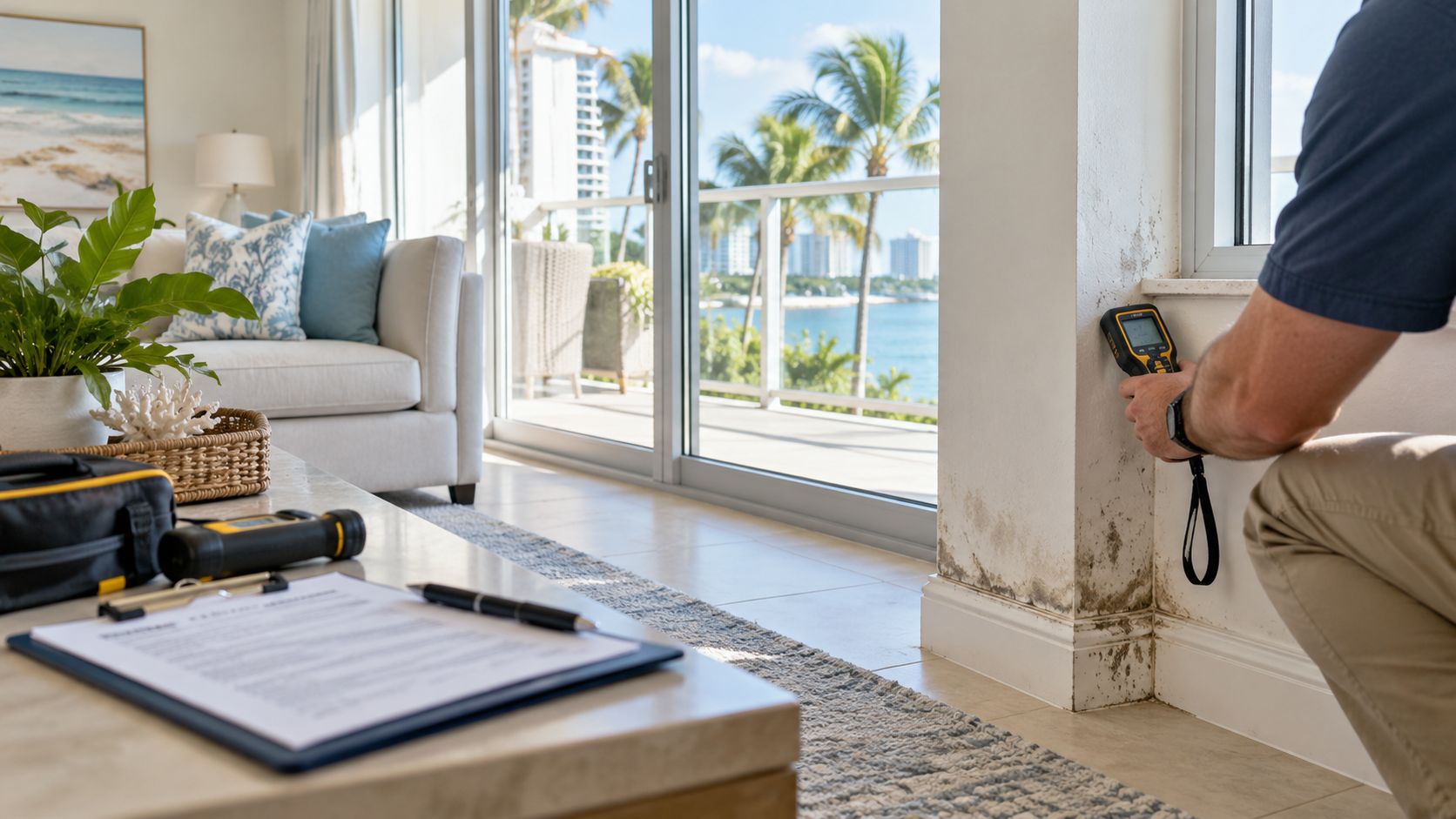
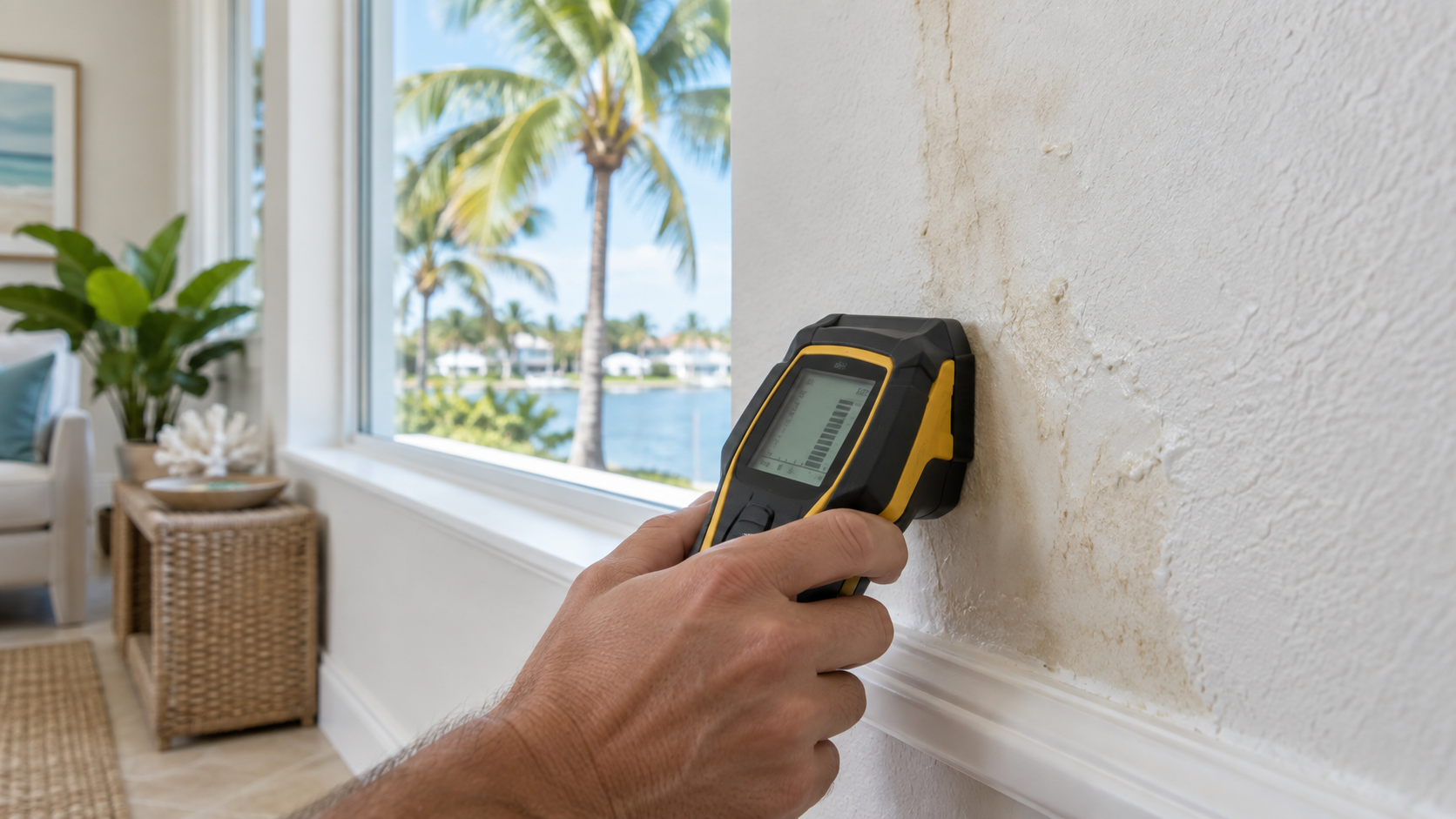
- Moisture evaluation. Moisture Mapping & Readings can help identify elevated moisture levels that may not be obvious during a visual inspection.
- Evaluation of possible water intrusion. Roof leaks, plumbing issues, condensation, and other moisture sources can contribute to mold growth and should be considered during the assessment.
- Recommendations for additional testing. If conditions warrant it, Indoor Mold Testing or Air Quality Testing may provide additional information about the indoor environment.
A reputable mold inspection company should be able to explain what is included before the appointment and help you understand which services may be appropriate for your specific concerns.
3. Do You Perform Mold Inspection and Testing?
Not every mold inspection requires testing, but it is helpful to know whether the company can provide both services when needed. A mold inspection focuses on evaluating visible conditions, moisture concerns, and possible sources of mold growth, while testing can provide additional information when the situation is less clear.
Ask the company:
- When do you recommend mold testing? Testing should be based on the conditions found during the inspection, not automatically added in every situation.
- What type of testing do you provide? Depending on the property, Indoor Mold Testing may include air or surface sampling.
- Will you explain the results? A professional should be able to help you understand what the findings mean and how they relate to the conditions inside the property.
- Can testing be combined with other environmental services? In some cases, Air Quality Testing may also be appropriate when there are broader concerns about the indoor environment.
Choosing a company that can provide both mold inspection and testing when appropriate can make the process more efficient and help ensure that recommendations are based on the actual conditions found during the assessment.
4. How Do You Check for Hidden Moisture?
Mold problems are often connected to moisture that is not immediately visible. That is why it is important to ask how a mold inspection company evaluates areas where water may be collecting behind walls, beneath flooring, around windows, or near plumbing and HVAC systems.
A professional mold inspector may look for:
- Moisture around walls and ceilings. Staining, bubbling paint, soft materials, or elevated readings can point to a possible moisture issue.
- Signs of plumbing or roof leaks. Slow leaks can create conditions that support mold growth before obvious damage appears.
- Condensation and humidity concerns. In South Florida, high humidity and condensation can contribute to moisture buildup in areas that are easy to overlook.
- Elevated moisture in building materials. Moisture Mapping & Readings can help identify areas that may require closer evaluation, even when surfaces appear dry.
Understanding how a company checks for hidden moisture can help you determine whether the inspection is focused only on visible mold or on the underlying conditions that may be contributing to the problem.
5. Will I Receive a Detailed Report After the Mold Inspection?
A professional mold inspection should leave you with more than a verbal explanation of what was found. Ask whether the company provides a written report that clearly documents the areas evaluated, any conditions of concern, and the recommended next steps.
A useful mold inspection report may include:
- Areas where visible mold or moisture concerns were identified. Clear documentation helps you understand where problems were found.
- Moisture-related findings. If elevated moisture is detected, the report may reference areas evaluated through Moisture Mapping & Readings.
- Testing results when applicable. If Indoor Mold Testing is performed, the findings should be explained in a way that helps you understand what the results mean.
- Recommendations for next steps. Depending on the findings, this may include additional evaluation, moisture correction, remediation, or the development of Remediation Protocols.
A detailed report can also be helpful if you need to share the findings with a property manager, contractor, remediation company, insurance representative, or other professional involved with the property.
6. Do You Provide Remediation Protocols If Mold Is Found?
If the mold assessment confirms that remediation is needed, ask whether the company can provide a clear plan outlining how the affected areas should be addressed. A professional Remediation Protocol can help define the scope of work before cleanup begins.
A remediation protocol may include:
- The areas that require remediation. This helps identify which rooms, materials, or sections of the property need attention.
- Materials that may need to be removed or treated. Drywall, insulation, flooring, cabinetry, or other affected materials may be included depending on the findings.
- Containment and cleanup recommendations. The protocol can provide guidance for how the remediation company should approach the work.
- Post-remediation steps. After the work is completed, Post Remediation Verification may be recommended to help confirm that the remediation goals have been met.
Having a written protocol can also make it easier to compare remediation proposals and ensure that the company performing the cleanup is working from a clearly defined scope.
7. Do You Provide Post-Remediation Verification?
If mold remediation is required, it is important to know what happens after the cleanup is complete. Ask whether the mold inspection company also provides Post Remediation Verification to independently evaluate the treated area before repairs or reconstruction move forward.
Post-remediation verification may include:
- A visual evaluation of the remediated area. The inspector can check for remaining visible mold, dust, debris, or other conditions that may require additional attention.
- Moisture readings when appropriate. Checking moisture conditions can help determine whether the source contributing to the original mold problem has been addressed.
- Additional testing if required. Depending on the established Remediation Protocols, air or surface sampling may be performed as part of the verification process.
- Comparison with established clearance criteria. The findings can be evaluated against the remediation goals to determine whether additional work may be necessary.
Choosing a company that can provide independent post-remediation verification helps create a clear process from the initial mold assessment through the final evaluation of the completed work.
8. Do You Serve My Area in South Florida?
Before scheduling, confirm that the mold inspection company regularly serves your area. Local experience matters because South Florida properties are frequently exposed to high humidity, heavy rain, plumbing leaks, roof issues, and other moisture conditions that can contribute to mold concerns.
Holistic Environmental Solutions provides mold and environmental assessment services throughout:
- Miami-Dade County. Including Miami and surrounding communities.
- Broward County. Including Fort Lauderdale and nearby cities.
- Palm Beach County. Including West Palm Beach and surrounding areas.
- Monroe County. Serving properties throughout the Florida Keys and surrounding communities.
Choosing a company familiar with South Florida conditions can help ensure that moisture concerns, water intrusion, and other environmental factors are evaluated with the local climate in mind.
If you are unsure whether your property is within the service area, you can review the Service Area page or contact the team directly before scheduling.
Frequently Asked Questions About Choosing a Mold Inspection Company
Choosing the right mold inspection company can feel overwhelming, especially if you are dealing with an active moisture or mold concern. These common questions can help you better understand what to look for before scheduling a professional assessment.
How do I know if a mold inspection company is reputable?
Look for clear licensing information, transparent explanations of services, written reports, and a willingness to explain when testing is or is not recommended. A reputable company should be able to clearly outline its process before you schedule.
Should a mold inspector also perform the remediation?
It is generally helpful to keep the assessment and remediation processes separate so the inspection and recommendations remain independent. If remediation is needed, the inspector can provide Remediation Protocols that a qualified remediation company can follow.
Is mold testing always necessary during an inspection?
No. Mold testing may be useful in certain situations, but it is not automatically necessary for every property. A professional assessment can help determine whether Indoor Mold Testing would provide useful additional information.
How long does a professional mold inspection take?
The amount of time required depends on the size of the property, the number of areas of concern, and whether additional services such as testing or moisture evaluation are needed.
What should I ask about mold inspection pricing?
Ask what is included in the quoted price and whether testing, laboratory fees, moisture readings, reports, or additional areas are priced separately. Understanding the scope of service makes it easier to compare mold inspection companies accurately.
Can a mold inspection identify the source of moisture?
A professional assessment can look for signs that may point to plumbing leaks, roof issues, condensation, water intrusion, or other moisture concerns. Moisture Mapping & Readings may also help identify elevated moisture in building materials.
What happens if the inspection confirms a mold problem?
Depending on the findings, the next steps may include correcting the moisture source, developing Remediation Protocols, completing remediation, and performing Post Remediation Verification after the cleanup is finished.
How soon should I schedule an inspection if I suspect mold?
If you notice visible growth, recurring moisture, water damage, or persistent musty odors, scheduling an assessment sooner can help you better understand the condition before the issue has an opportunity to progress.
Schedule a Mold Inspection in South Florida
Choosing the right mold inspection company can make it easier to understand what is happening inside your property and what steps may be needed next. If you are dealing with visible mold, musty odors, water damage, or concerns about hidden moisture, a professional assessment can help provide clearer answers.
Holistic Environmental Solutions provides professional mold assessment, Indoor Mold Testing, Air Quality Testing, Moisture Mapping & Readings, Remediation Protocols, and Post Remediation Verification throughout South Florida. Our team serves properties across Miami-Dade County, Broward County, Palm Beach County, and Monroe County.
If you are looking for a professional mold inspection company in South Florida, call (786) 580-9374 to speak with our team. You can also fill out our online contact form to receive 10% off your mold inspection when you schedule through the website.
Get the information you need to make a confident decision about your property and the next steps for addressing mold or moisture concerns.
About Holistic Environmental Solutions
Holistic Environmental Solutions provides independent mold assessment and environmental testing services throughout South Florida, including Mold Assessment Services, Indoor Mold Testing, Air Quality Testing, Moisture Mapping & Readings, Remediation Protocols, and Post-Remediation Verification. Our team serves Miami-Dade, Broward, Palm Beach, and Monroe counties, helping property owners better understand mold, moisture, and indoor air quality concerns with clear, objective findings.
Florida Licensed Mold-Related Services Assessor #MRSA5496
Recent Posts