Mold Inspection vs. Mold Testing in Florida: What’s the Difference?
If you've discovered a musty odor, noticed discoloration on your walls, or recently experienced water damage, you may be wondering whether you need a mold inspection or mold testing. While these services are closely related, they are not the same, and choosing the right one can save you time, money, and unnecessary stress.
For many Florida homeowners, the confusion is understandable. Our humid climate creates ideal conditions for mold growth, especially after heavy rain, plumbing leaks, or high indoor humidity. Understanding the difference between a professional mold inspection and mold testing is the first step toward protecting your home, your family's health, and your investment.
In this guide, we'll explain what each service includes, when testing is recommended, and how certified mold inspection professionals use advanced tools like moisture mapping, thermal imaging, and indoor air quality assessments to identify hidden moisture and potential mold problems. By the end, you'll know which service is right for your situation and when it's time to call a professional.
What Is a Mold Inspection?
A mold inspection is a comprehensive evaluation of a property to determine whether conditions exist that could support mold growth or indicate an active mold problem. Unlike mold testing alone, a professional inspection focuses on identifying the source of moisture, locating visible and hidden mold, and determining the extent of the issue.
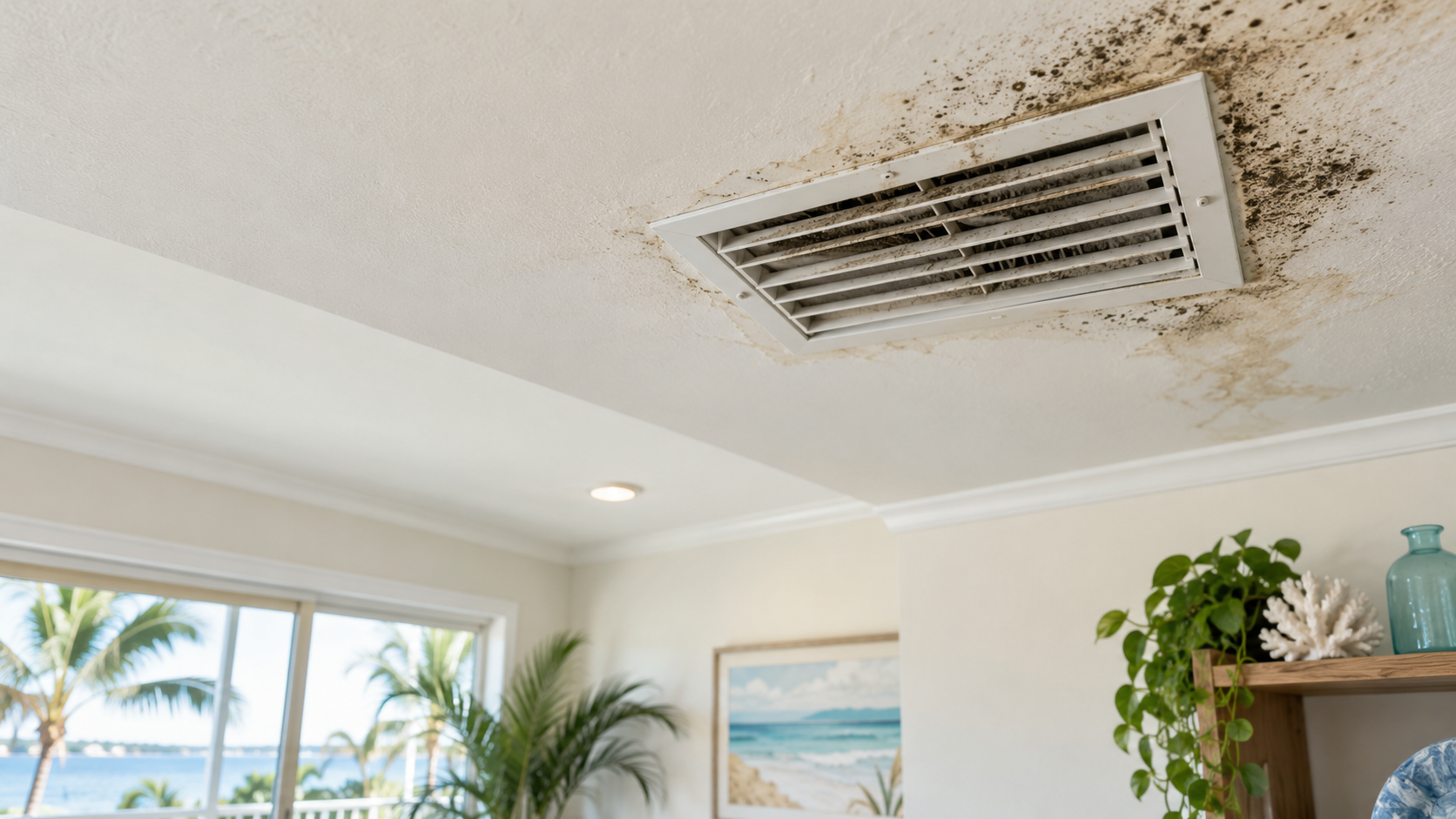
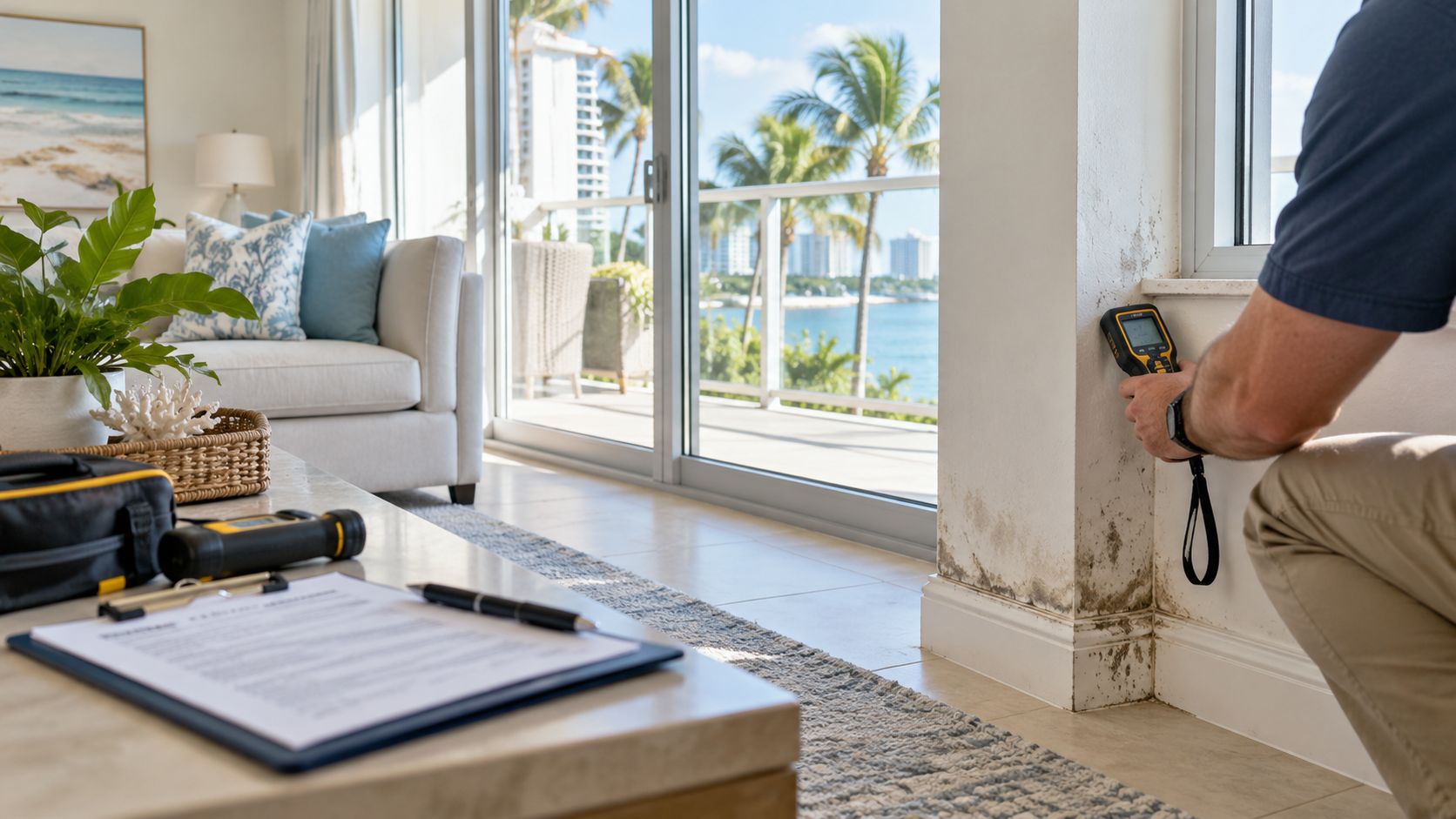
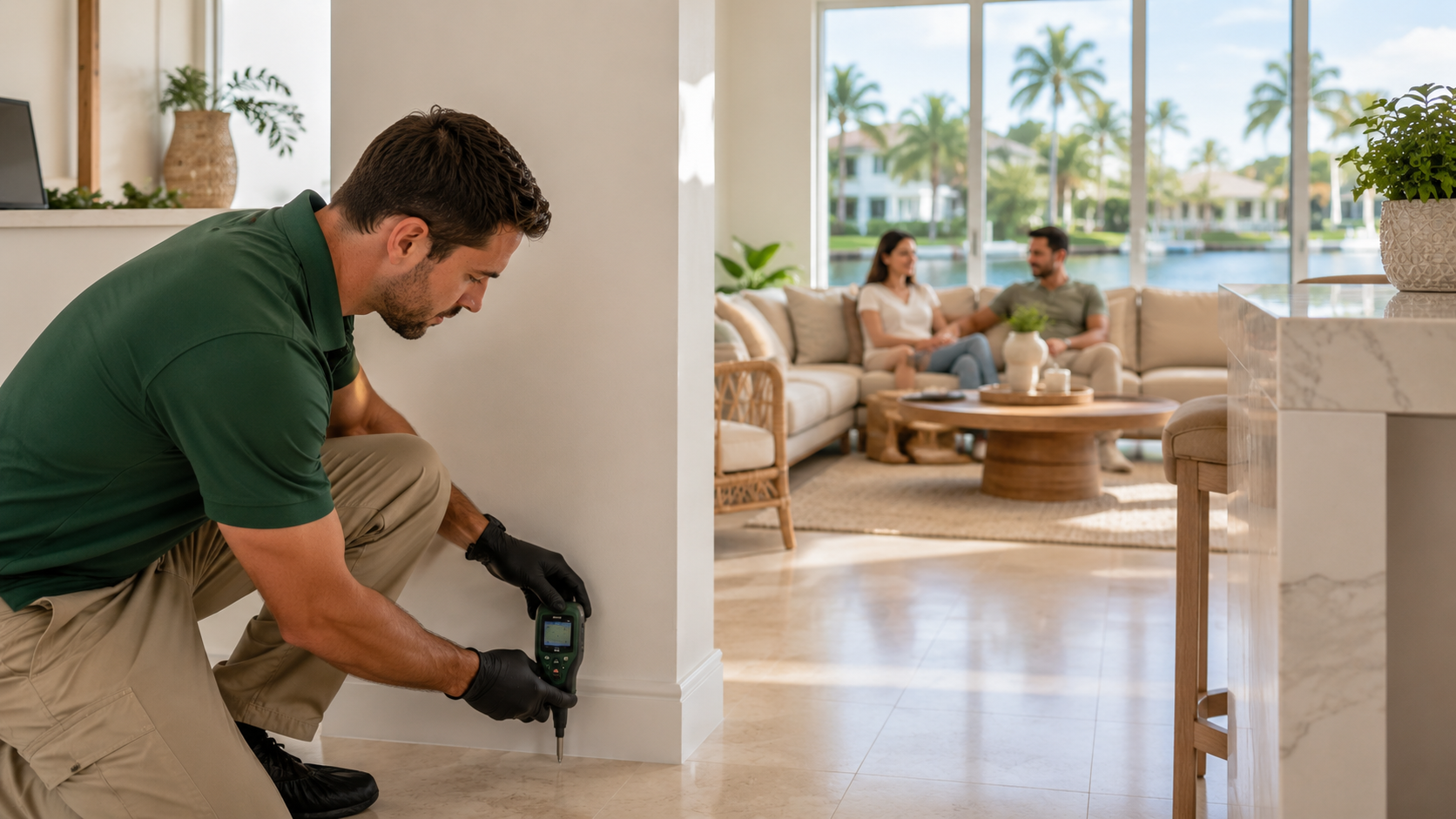
During a professional mold inspection, an inspector evaluates both visible and concealed areas of the property using specialized equipment designed to detect moisture that may not be apparent during a visual walkthrough. This helps uncover potential mold growth behind walls, beneath flooring, inside ceilings, or around plumbing fixtures before the damage becomes more extensive.

A typical mold inspection may include:
- A detailed visual inspection of the property
- Identification of water intrusion or moisture sources
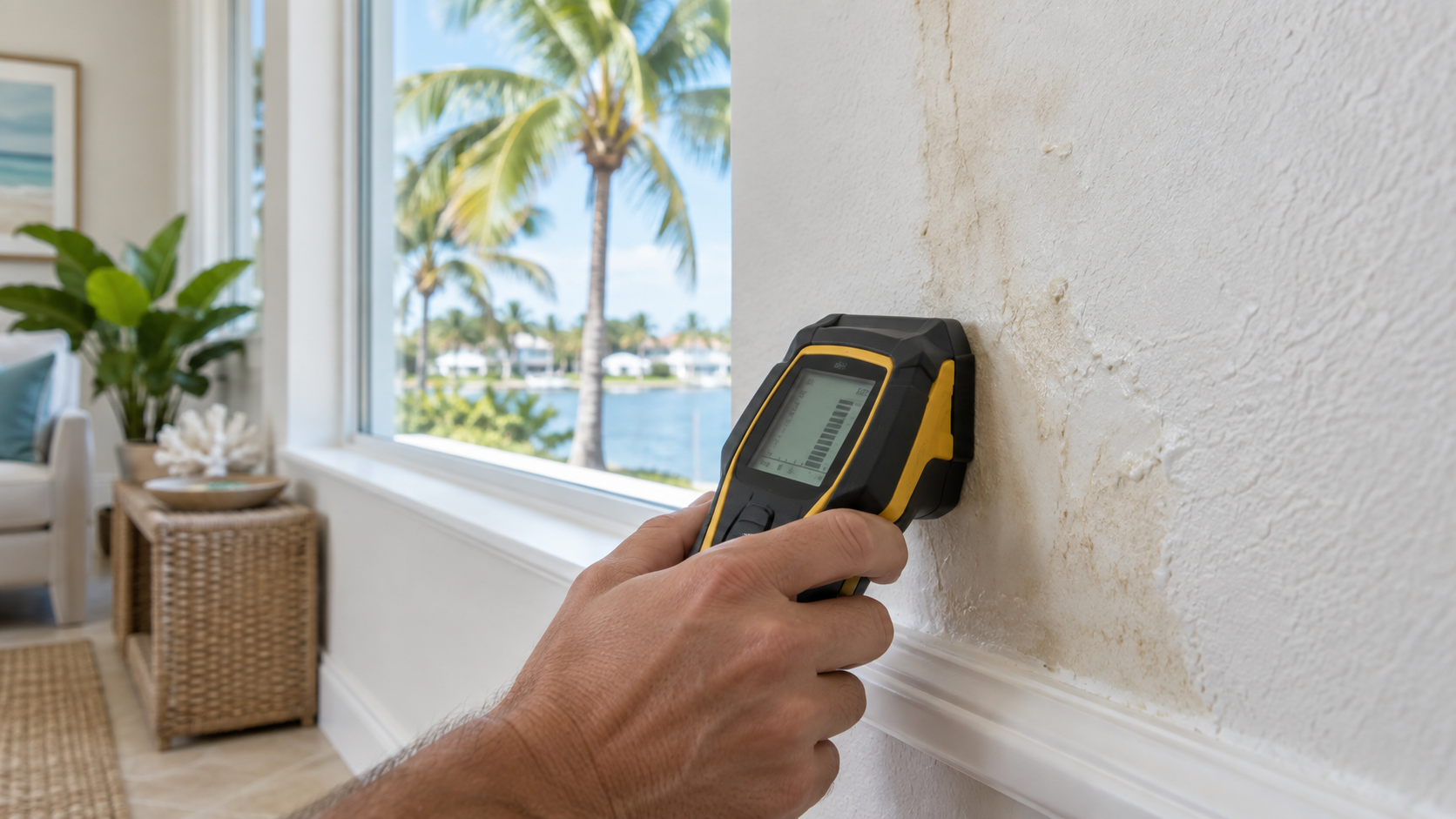
- Moisture mapping using specialized equipment to locate hidden moisture.
- Thermal imaging technology to detect potential moisture behind walls and ceilings.
- Evaluation of visible mold growth and conditions that encourage mold
- Recommendations for additional testing when necessary
- Guidance on the appropriate next steps if mold contamination is discovered
The goal of a mold inspection is not simply to determine whether mold is present. It is to identify why mold may be developing and provide homeowners with the information needed to prevent further damage. In many cases, a professional inspection can identify moisture problems before they result in significant mold growth, helping protect both the property and indoor air quality.
If concerns about airborne mold spores exist, your inspector may also recommend Indoor Mold Testing or Air Quality Testing to better understand the indoor environment and confirm whether elevated mold spore levels are present.
What Is Mold Testing?
Mold testing is the process of collecting samples to identify the presence, type, and concentration of mold spores within a property. While a mold inspection focuses on locating moisture problems and identifying visible signs of mold growth, mold testing provides laboratory analysis that can help confirm whether elevated mold levels are present.
Depending on the situation, a certified mold professional may recommend one or more testing methods, including:
- Air sampling to measure airborne mold spores and compare indoor air quality to outdoor conditions.
- Surface sampling to identify mold growing on walls, ceilings, flooring, furniture, or other materials.
- Bulk sampling of affected building materials when additional laboratory analysis is needed.
The collected samples are sent to an accredited laboratory, where specialists identify the mold species and provide a detailed report of the findings. These results help determine the extent of mold contamination and can provide valuable information when developing a remediation plan or documenting environmental conditions.
It's important to understand that mold testing is not always necessary. If visible mold growth is already present and the source of moisture has been identified, laboratory testing may provide little additional value. However, testing can be especially beneficial when mold is suspected but cannot be seen, occupants are experiencing unexplained allergy-like symptoms, or documentation is needed for a real estate transaction, insurance claim, or remediation project.
Professional mold testing is most effective when combined with a thorough inspection. An inspection identifies the conditions allowing mold to grow, while testing confirms what is present in the environment. For the most accurate assessment of your home's indoor environment, professionals often combine Indoor Mold Testing with Air Quality Testing to evaluate airborne mold spores and overall indoor air quality.
Even after laboratory results are received, addressing the underlying moisture problem remains the highest priority. If hidden moisture is discovered during the inspection, Moisture Mapping & Readings can help pinpoint the source so it can be corrected before mold continues to spread.
Mold Inspection vs. Mold Testing: What's the Difference?
Although the terms "mold inspection" and "mold testing" are often used interchangeably, they serve different purposes. A mold inspection focuses on identifying the source of moisture and evaluating conditions that allow mold to grow, while mold testing analyzes samples to determine the presence and concentration of mold spores. Understanding the difference can help you choose the right service for your situation and avoid unnecessary testing.
| Mold Inspection | Mold Testing |
|---|---|
| Evaluates the property for signs of mold and moisture issues | Collects air or surface samples for laboratory analysis |
| Identifies the source of moisture | Identifies the type and concentration of mold spores |
| Includes a thorough visual inspection | Includes laboratory testing of collected samples |
| May use thermal imaging and moisture detection equipment | Uses air, surface, or bulk sampling techniques |
| Helps determine why mold is growing | Helps confirm what mold is present |
| Often the first step in evaluating a property | Usually recommended when additional confirmation or documentation is needed |
For many Florida homeowners, a professional mold inspection is the best place to start. An experienced inspector can evaluate your property, identify moisture intrusion, and determine whether laboratory testing is necessary. If testing is recommended, it can then be performed as part of a comprehensive assessment rather than as a standalone service.
For example, if a hidden plumbing leak is discovered behind a wall, Moisture Mapping & Readings can help locate the extent of the moisture intrusion before repairs begin. If mold spores are suspected to be affecting the indoor environment, Indoor Mold Testing and Air Quality Testing can provide additional information about the air you breathe and whether elevated mold spore levels are present.
By combining these services when appropriate, homeowners receive a more complete understanding of their property's condition and can make informed decisions about repairs, remediation, and protecting their indoor environment.
When Do You Need a Mold Inspection?
Many homeowners assume they only need a mold inspection after seeing visible mold. However, mold often grows in hidden areas long before it becomes noticeable. Scheduling a professional mold inspection at the right time can help identify moisture problems early, reduce the risk of extensive damage, and provide peace of mind.
You may want to consider a mold inspection if:
- You've experienced a roof leak, plumbing leak, or flooding.
- Your home has a persistent musty or damp odor.
- You notice discoloration on walls, ceilings, or flooring.
- Indoor humidity levels remain consistently high.
- You recently purchased a home or are preparing to sell one.
- You suspect hidden mold but can't identify its source.
- Mold continues to return after cleaning or previous repairs.
A mold inspection is also valuable after water damage, even if everything appears dry on the surface. Moisture can become trapped behind drywall, under flooring, or inside ceilings, creating an ideal environment for mold growth. Identifying these conditions early allows homeowners to address the underlying issue before it develops into a larger problem.
It's also important to remember that mold isn't always visible. In some cases, the only signs may be a lingering musty smell, recurring moisture issues, or rooms that consistently feel damp. A professional inspection can help determine whether further evaluation is needed and provide recommendations based on the property's specific conditions.
Whether you're responding to a recent water event or simply want reassurance that your home is healthy, a mold inspection provides valuable information about your property's condition and helps you make informed decisions about the next steps.
When Is Mold Testing Recommended?
While a mold inspection is often the first step in evaluating a property, mold testing is recommended in situations where additional information is needed. Laboratory testing can help confirm the presence of mold, identify the types of mold spores detected, and provide documentation for specific circumstances.
A professional may recommend mold testing if:
- Mold is suspected, but no visible growth can be found.
- A persistent musty odor is present without an obvious source.
- Occupants are experiencing unexplained allergy-like or respiratory symptoms that seem worse indoors.
- The property has experienced significant water damage or flooding.
- Documentation is needed for a real estate transaction, insurance claim, or legal matter.
- A remediation plan requires baseline information before cleanup begins.
Mold testing can also be beneficial after hidden moisture has been discovered during an inspection. In these cases, testing helps determine whether mold spores have become airborne and whether additional corrective measures may be necessary.
It's important to understand that mold testing does not identify the source of a moisture problem or explain why mold is growing. Instead, it provides scientific data that complements a thorough inspection. When used together, inspections and testing offer a more complete understanding of a property's condition, allowing homeowners to make informed decisions about repairs and remediation.
If concerns extend beyond visible mold, Air Quality Testing can help evaluate the quality of the air inside your home and determine whether airborne contaminants, including mold spores, may be affecting the indoor environment.
What Happens If Mold Is Found?
Discovering mold in your home doesn't always mean you're facing a major problem. The appropriate next steps depend on the extent of the mold growth, the source of the moisture, and whether the affected materials can be cleaned or need to be removed. A professional assessment helps determine the most effective course of action.
If mold is confirmed, the first priority is to eliminate the moisture source that allowed it to develop. Whether the issue is caused by a plumbing leak, roof leak, poor ventilation, or previous water damage, correcting the underlying problem is essential to prevent mold from returning.
Once the source of moisture has been addressed, a remediation plan may be recommended based on the severity of the contamination. Mold Remediation Protocols provide a detailed scope of work for remediation professionals, outlining the areas that require treatment, the containment procedures that should be followed, and the appropriate methods for safely removing mold-affected materials. This helps ensure the remediation process is performed according to industry standards.
After remediation has been completed, many homeowners choose to schedule Post Remediation Verification (PRV) to confirm that the cleanup was successful. This independent evaluation may include a visual inspection, moisture assessment, and, when appropriate, follow-up testing to verify that the property has been properly remediated before reconstruction or reoccupancy.
Addressing mold involves more than simply removing visible growth. Identifying the source of moisture, following a clear remediation plan, and verifying the results are all important steps in restoring a healthy indoor environment and reducing the likelihood of future mold problems.
Frequently Asked Questions About Mold Inspections and Mold Testing
Whether you're dealing with a musty odor, recent water damage, or visible mold growth, it's natural to have questions about the inspection and testing process. Below are answers to some of the most common questions Florida homeowners ask before scheduling a mold inspection.
Do I always need mold testing if I see mold?
Not necessarily. If mold growth is clearly visible and the source of moisture has already been identified, additional testing may not be required. In many cases, addressing the moisture problem and following the appropriate remediation procedures is the most important step. Mold testing is generally recommended when additional information or documentation is needed.
Can I test for mold myself?
While DIY mold test kits are available, they often provide limited information and can be difficult to interpret. Because mold spores naturally exist in both indoor and outdoor environments, a positive result doesn't necessarily indicate a problem. A professional inspection provides a more complete evaluation by identifying moisture sources, assessing the extent of the issue, and determining whether additional testing is appropriate.
Is mold always visible?
No. Mold can grow behind drywall, beneath flooring, inside ceilings, within HVAC systems, and other concealed areas where moisture is present. In some cases, the only signs may be a persistent musty odor, recurring moisture issues, or unexplained indoor air quality concerns.
How long does a mold inspection take?
The length of a mold inspection depends on the size of the property and the complexity of the situation. Most residential inspections can be completed within a few hours, although larger homes or commercial properties may require additional time.
What causes mold to grow in Florida homes?
Florida's warm temperatures and high humidity create ideal conditions for mold growth. Common causes include roof leaks, plumbing leaks, flooding, poor ventilation, elevated indoor humidity, and condensation. Mold can begin developing within 24 to 48 hours after materials become wet if moisture is not properly addressed.
Should I buy a home if a mold inspection finds mold?
Finding mold doesn't automatically mean you should walk away from a property. The severity of the issue, the source of the moisture, and the recommended corrective measures all play an important role. A professional mold inspection helps buyers understand the scope of the problem so they can make an informed decision during the purchasing process.
How often should a home be inspected for mold?
There is no universal schedule for mold inspections. However, it's a good idea to have your home inspected after significant water damage, if you notice persistent moisture problems, before purchasing a property, or whenever you suspect hidden mold growth.
Professional Mold Testing in South Florida
South Florida's warm temperatures, high humidity, and frequent storms create ideal conditions for mold growth throughout the year. Whether your property has experienced a plumbing leak, roof damage, flooding, or prolonged moisture intrusion, professional mold testing can help determine whether mold spores are affecting your indoor environment.
Holistic Environmental Solutions proudly provides professional mold inspection and mold testing services throughout South Florida, including:
Our experienced team uses advanced inspection techniques and laboratory-backed testing methods to help homeowners, business owners, property managers, and real estate professionals accurately assess potential mold concerns. Every property is different, which is why we tailor our recommendations based on your specific situation rather than offering a one-size-fits-all solution.
Whether you're purchasing a home, recovering from water damage, or investigating a persistent musty odor, our goal is to provide clear answers so you can make informed decisions about your property.
Protect Your Property with Professional Mold Inspection and Testing
Understanding the difference between mold inspection and mold testing is the first step toward protecting your home, your health, and your investment. While a mold inspection helps identify moisture issues and conditions that allow mold to grow, mold testing provides valuable laboratory data when additional confirmation or documentation is needed. Together, these services provide a comprehensive understanding of your property's condition and help ensure that mold problems are addressed correctly.
If you've noticed a musty odor, experienced recent water damage, or simply want peace of mind about your indoor environment, don't wait for the problem to become more severe. Early detection can help minimize property damage, reduce repair costs, and prevent mold from spreading to other areas of your home or business.
At Holistic Environmental Solutions, we're committed to providing thorough, professional mold inspections and testing services throughout South Florida. Whether you need answers after water damage, are purchasing a new home, or want to ensure your indoor environment is safe, our experienced team is here to help.
Call us today at (786) 580-9374 to schedule your professional mold inspection, or complete our online contact form to receive 10% off your mold inspection when you book through our website. We're here to help you identify potential mold concerns and provide the trusted guidance you need to protect your property with confidence.
About Holistic Environmental Solutions
Holistic Environmental Solutions provides independent mold assessment and environmental testing services throughout South Florida, including Mold Assessment Services, Indoor Mold Testing, Air Quality Testing, Moisture Mapping & Readings, Remediation Protocols, and Post-Remediation Verification. Our team serves Miami-Dade, Broward, Palm Beach, and Monroe counties, helping property owners better understand mold, moisture, and indoor air quality concerns with clear, objective findings.
Florida Licensed Mold-Related Services Assessor #MRSA5496
Recent Posts