What Happens During a Professional Mold Assessment and Testing Service
A professional mold assessment involves a thorough visual inspection, advanced moisture detection, air and surface sampling, and a detailed lab-backed report. Florida state mold inspection standards require certified assessors to follow a structured process that identifies mold presence, locates its source, and outlines clear remediation steps.
If you've ever walked into a room and caught that faint, musty smell you just can't explain, you already know something feels off. Florida's heat and humidity create near-perfect conditions for mold to grow fast and spread quietly.
A Florida state mold inspection isn't just a precaution. For many homeowners and property managers, it's the first honest answer they get about what's actually happening inside their walls.
So what does the process actually look like? Here's a clear, step-by-step breakdown of what certified mold inspection professionals do from the moment they arrive at your door.
Step 1: Initial Walkthrough and Visual Assessment
What the Inspector Is Looking For
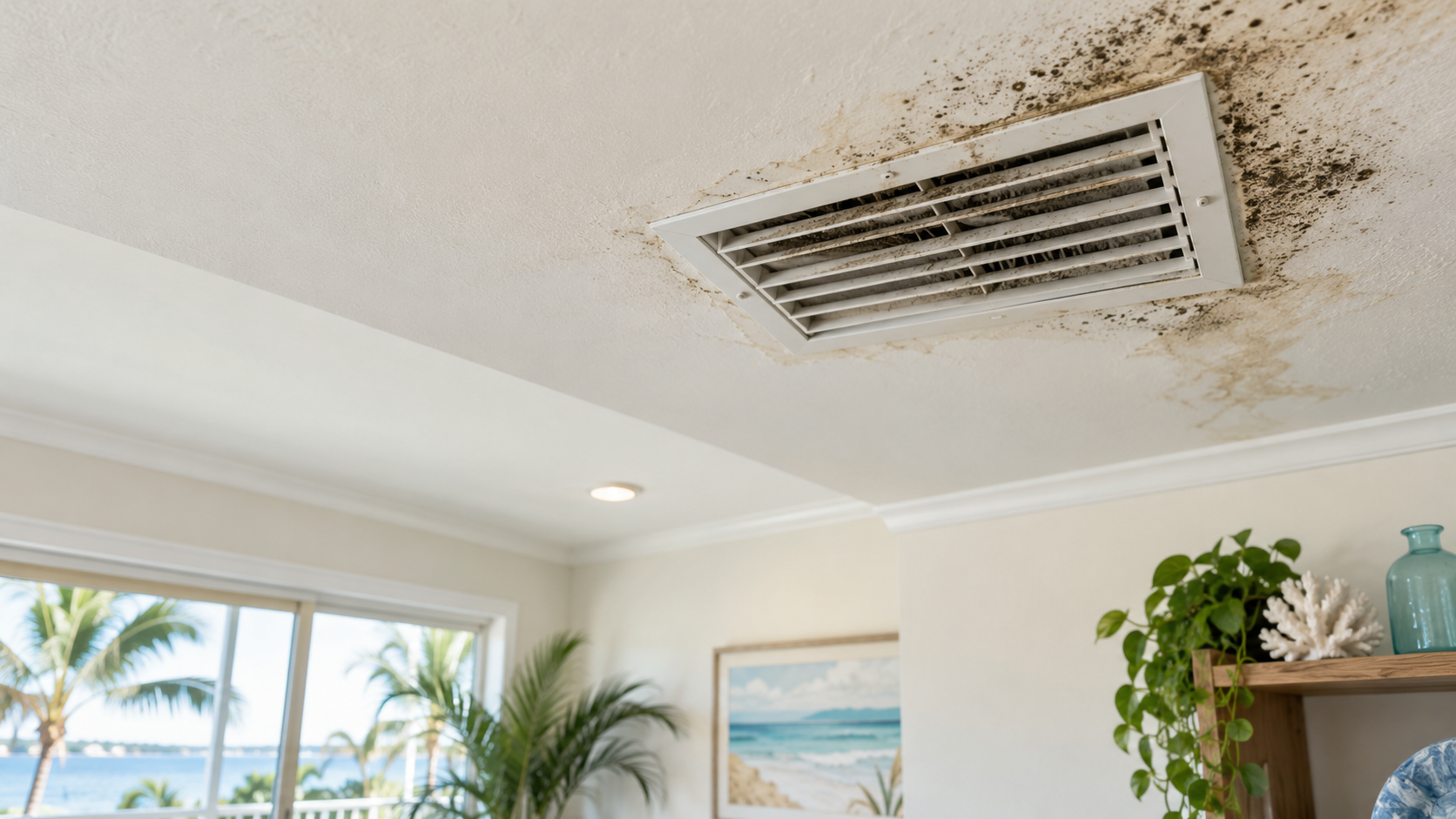
The process starts with a full visual inspection of your property. This isn't a glance around the room. Mold inspection professionals examine every area carefully, including spots most people overlook.
They're looking for:
- Visible mold growth on walls, ceilings, and floors
- Water stains, discoloration, or peeling paint
- Warped or buckled wood surfaces
- Musty odors in enclosed spaces
- Signs of past or active leaks near plumbing and HVAC systems
Why Attics, Crawl Spaces, and Bathrooms Matter
These areas trap moisture the longest. Certified mold inspection experts pay close attention to them because mold often establishes itself there long before it becomes visible in living areas.
Key focus zones include:
- Attics with poor ventilation
- Crawl spaces with exposed soil or standing water
- Bathrooms, laundry rooms, and kitchen areas
- Areas around windows, doors, and exterior walls
Step 2: Moisture Mapping and Readings
Finding the Root Cause, Not Just the Symptoms
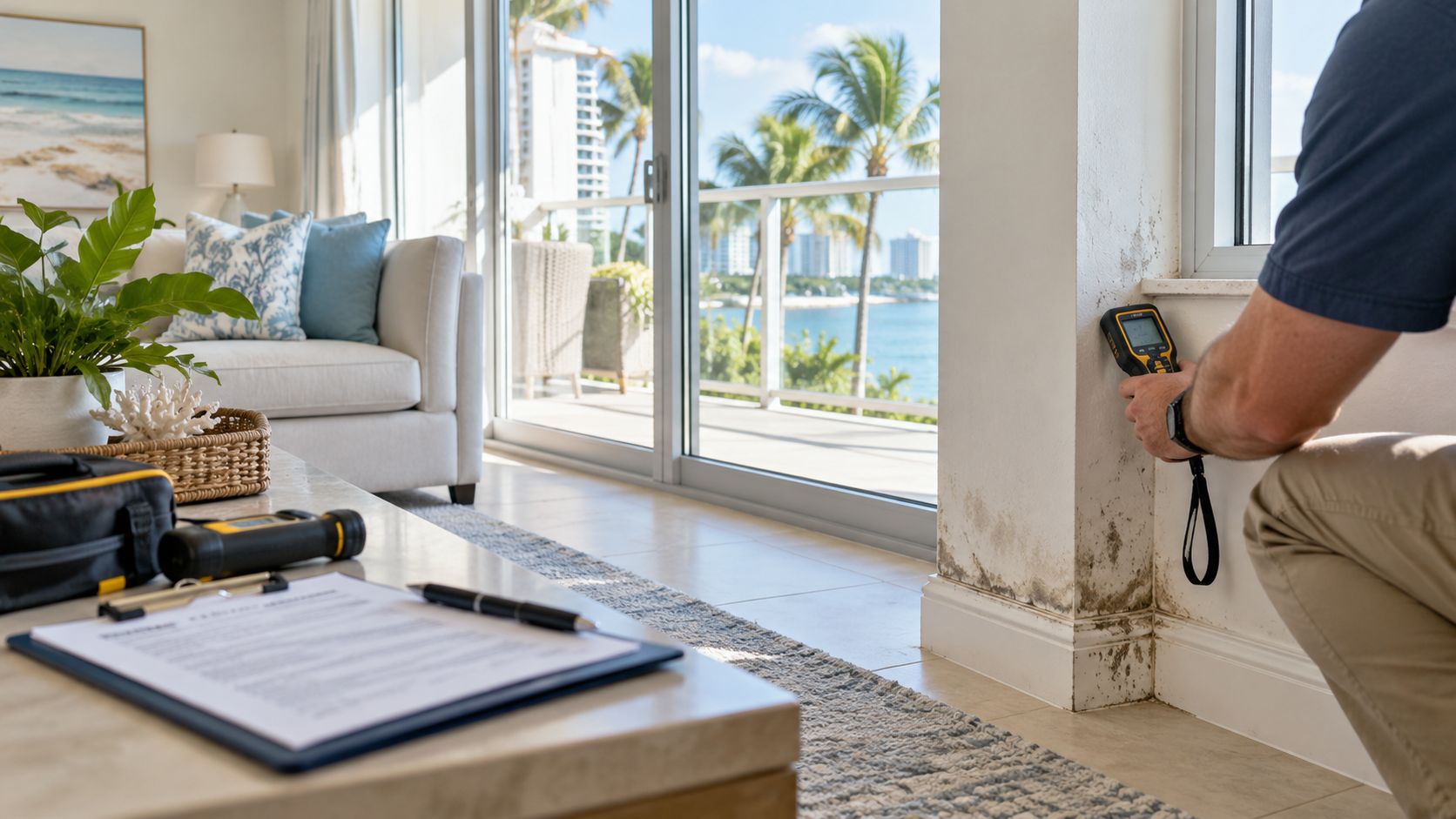
Visible mold is a sign. Moisture is the cause. Without locating and addressing the moisture source, mold will return even after remediation. This is why moisture mapping is one of the most critical parts of a Florida state mold inspection.
Holistic Environmental Solutions uses advanced tools to detect hidden dampness behind walls, under flooring, and inside building materials before it becomes a larger structural problem.
Tools used during this phase:
- Infrared thermal cameras to detect temperature variations caused by moisture
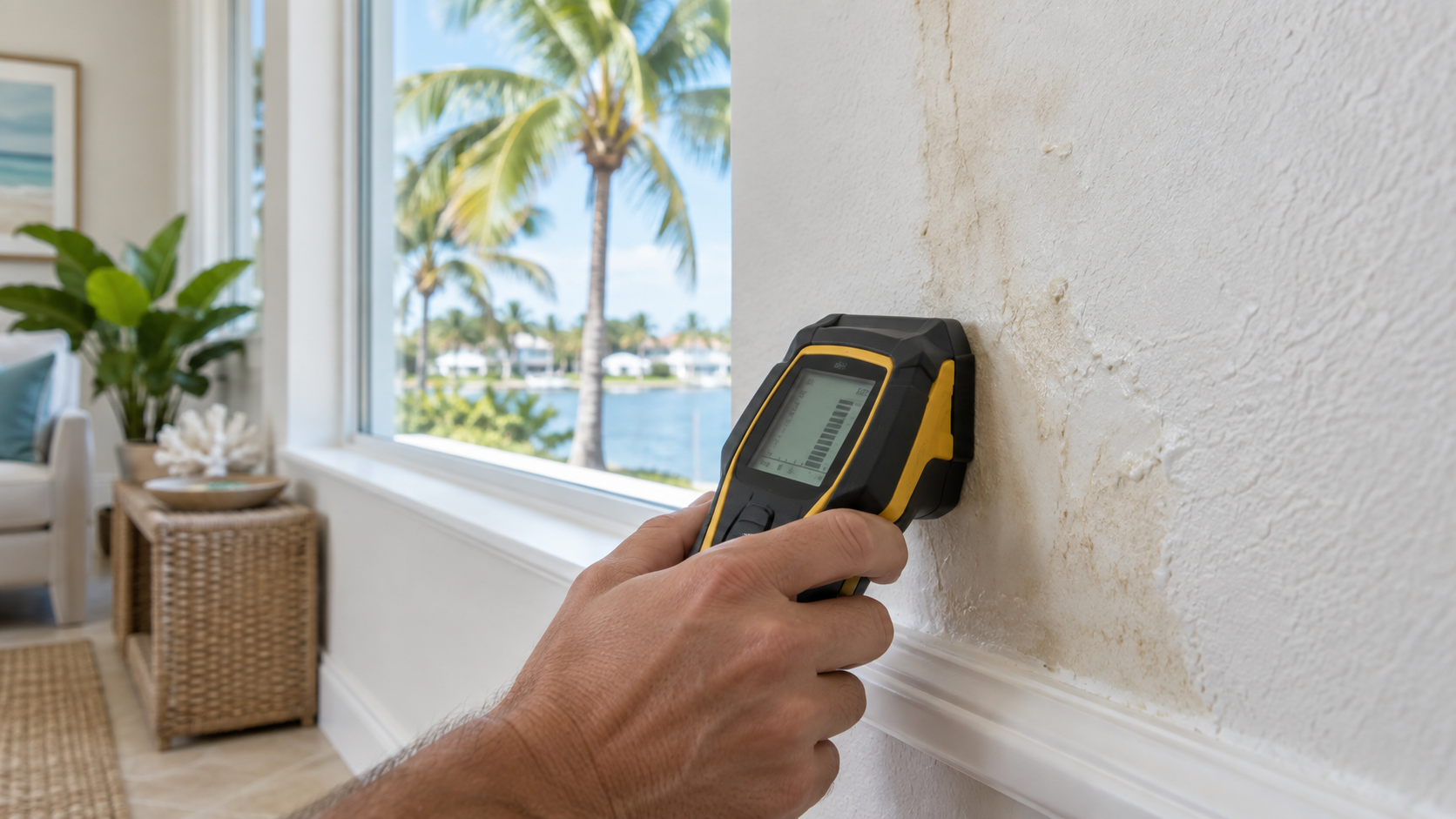
- Moisture meters to measure water content in materials
- Hygrometers to assess indoor humidity levels
What the Data Reveals
The readings collected during this stage create a moisture profile of your property. This tells the assessor exactly where water is entering, how far it has traveled, and which materials are at risk.
Step 3: Air and Surface Sampling
When Sampling Is Needed
Not every inspection requires lab sampling. However, when visual evidence is inconclusive or when clients need documentation for real estate transactions, insurance claims, or legal purposes, sampling becomes essential.
Florida mold testing experts collect two primary types of samples:
- Air samples to measure the concentration and species of mold spores present indoors compared to outdoor baseline levels
- Surface samples (tape lifts or swabs) to identify specific mold types on visible growth areas
The Indoor Air Quality Test for Mold
An indoor air quality test for mold captures airborne spore counts from multiple locations throughout the property. This provides a complete picture of what occupants breathe daily.
The samples are then sent to an accredited third-party laboratory for analysis. Results typically identify:
- Mold species present
- Spore concentration levels
- Comparison to outdoor control samples
- Whether levels indicate an active indoor mold problem
Step 4: Laboratory Analysis and Reporting
What the Lab Results Tell You
Once the lab returns the analysis, Florida mold testing experts review the findings in detail. The results determine the severity of the issue, which mold species are present, and what level of remediation may be required.
Common mold species found in Florida properties include:
- Cladosporium - common in HVAC systems and damp surfaces
- Aspergillus - found in water-damaged materials
- Stachybotrys chartarum - often called black mold, linked to prolonged moisture exposure
The Inspection Report
Every Florida mold testing assessment concludes with a clear, written report. Holistic Environmental Solutions delivers fast, easy-to-understand reports that include:
- A summary of all findings from the visual inspection
- Moisture mapping data and identified problem areas
- Lab results with species identification and spore counts
- Actionable recommendations for remediation
The report is yours to keep and use. It can guide a remediation contractor, support an insurance claim, or provide documentation during a property sale.
Step 5: Remediation Protocol and Post-Remediation Verification
What Happens After the Report
A certified assessor does not perform remediation. This separation is intentional. It ensures that the inspection remains completely unbiased and that the recommendations made are based solely on what is best for the client.
The remediation protocol provided outlines:
- Which areas require treatment
- The recommended remediation methods
- Safety precautions for occupants during the process
Post-Remediation Verification
Once a remediation contractor completes the work, a follow-up inspection confirms the job was done correctly. This post-remediation verification uses the same sampling methods to confirm that mold levels have returned to normal and the moisture source has been resolved.
This final step is what gives homeowners, property managers, and real estate professionals genuine confidence that the problem is truly resolved.
Why Florida Properties Need This Process More Than Most
Florida's climate is unlike most of the country. High year-round humidity, frequent rain, and hurricane-related water intrusion create conditions where mold can develop within 24 to 48 hours of a moisture event.
According to the EPA, indoor air can be up to five times more polluted than outdoor air when mold is present.
For families in Miami-Dade, Broward, Palm Beach, and Monroe County, regular Florida state mold inspection services are a practical part of property maintenance, not just a response to a visible problem.
Take the Next Step with Holistic Environmental Solutions
If you suspect mold, notice a persistent musty odor, or simply want peace of mind about your indoor air quality, Holistic Environmental Solutions is ready to help. As licensed Florida mold testing experts serving communities across South Florida, their certified team provides science-based assessments with clear, honest reporting and no conflict of interest.
Book your inspection online today. Your home and your health deserve a real answer.
About Holistic Environmental Solutions
Holistic Environmental Solutions provides independent mold assessment and environmental testing services throughout South Florida, including Mold Assessment Services, Indoor Mold Testing, Air Quality Testing, Moisture Mapping & Readings, Remediation Protocols, and Post-Remediation Verification. Our team serves Miami-Dade, Broward, Palm Beach, and Monroe counties, helping property owners better understand mold, moisture, and indoor air quality concerns with clear, objective findings.
Florida Licensed Mold-Related Services Assessor #MRSA5496
Recent Posts