
How to Read Mold Test Results: What Mold Spore Counts Actually Mean
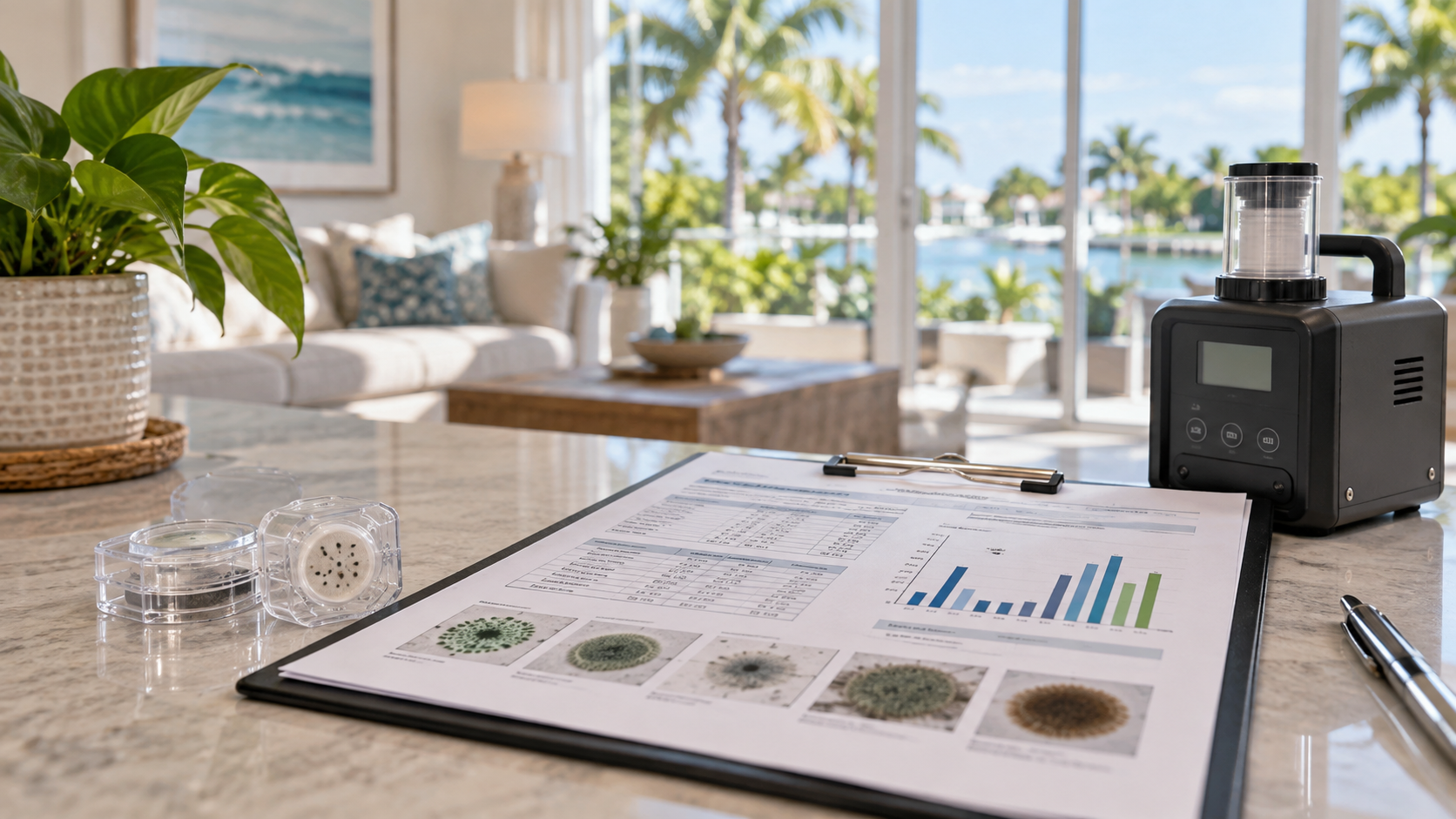
Mold test results can be confusing, especially when a laboratory report lists multiple mold types, spore counts, and indoor and outdoor sample results without explaining what the numbers actually mean.
In simple terms, mold spore counts show how many airborne mold spores were detected in a sample, but the numbers should not be interpreted by themselves. A professional evaluation considers the type of mold detected, how indoor samples compare with outdoor conditions, where the samples were collected, moisture conditions inside the property, and whether visible mold or water damage is present.
There is also no single universal number that automatically means a home is “safe” or “unsafe.” Mold test results are most useful when they are interpreted together with the overall property assessment rather than treated as a pass-or-fail score.
In this guide, we’ll explain how to read mold test results, what mold spore counts mean, how indoor and outdoor samples are compared, what “elevated” results may indicate, and when additional Indoor Mold Testing or a professional Mold Assessment Services evaluation may be appropriate.
What Do Mold Spore Counts Mean on a Mold Test Report?
Mold spore counts show the number of airborne mold spores detected in a specific air sample. They are typically reported as a concentration, which helps compare conditions between different indoor areas and an outdoor reference sample.
When reviewing mold test results, consider:
- Indoor spore counts. These show the concentration of mold spores detected in the sampled indoor area.
- Outdoor spore counts. Outdoor samples provide a reference point because mold spores are naturally present in the environment.
- Mold types identified. The report may list different mold genera or groups detected in each sample.
- Differences between rooms. One indoor area may have a very different spore profile than another, which can help identify localized concerns.
- Property conditions. Moisture, visible growth, musty odors, or recent water damage can add important context to the numbers.
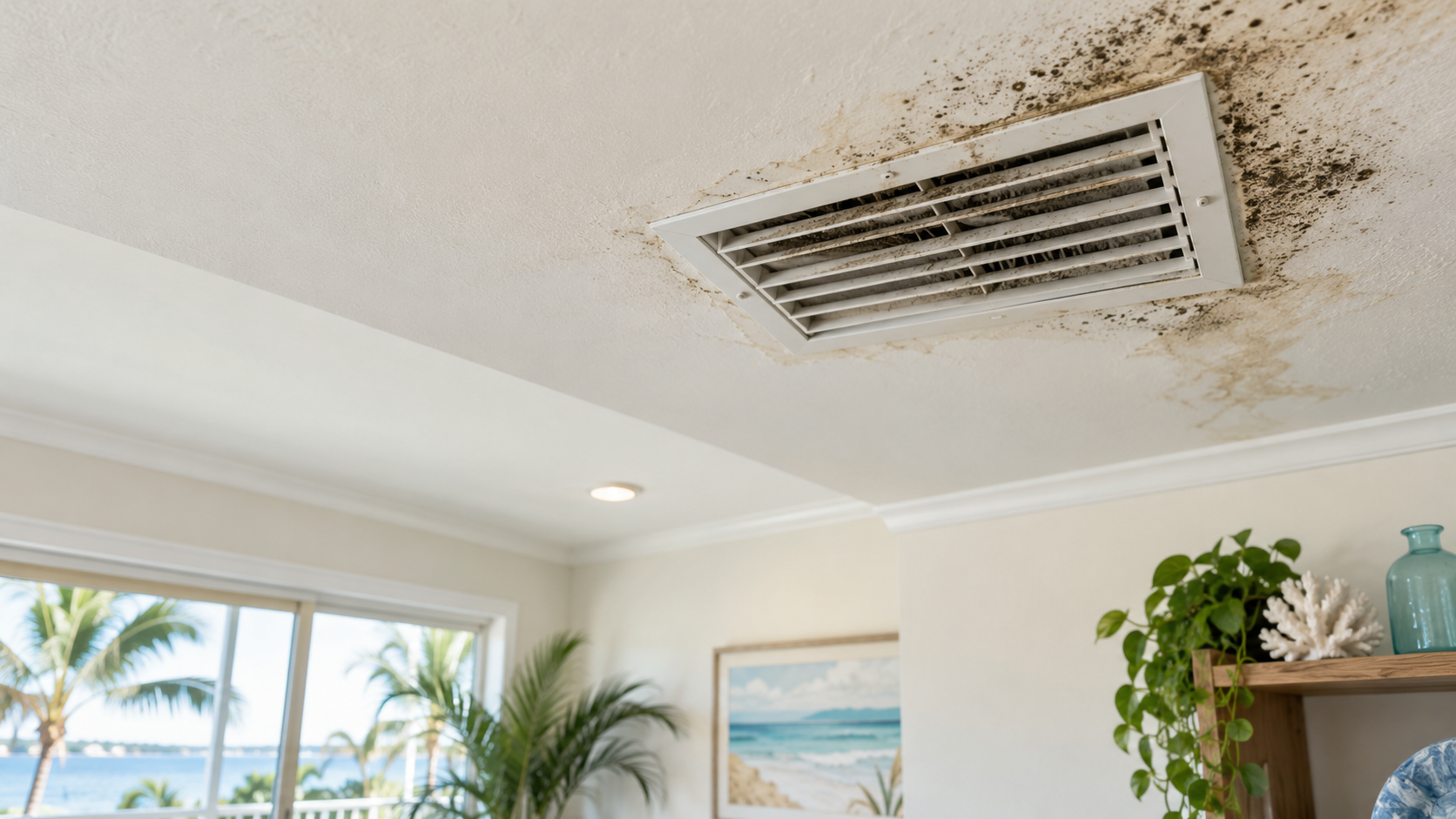
A higher indoor spore count does not automatically explain why mold is present or where it is coming from. The results should be interpreted together with the findings from a professional Mold Assessment Services evaluation and any moisture conditions identified inside the property.
In simple terms, mold spore counts are one piece of the puzzle—they are most useful when compared with outdoor conditions and the physical condition of the property.
How Do Indoor and Outdoor Mold Spore Counts Compare?
Indoor and outdoor mold samples are often compared because mold spores naturally exist in outdoor air. The goal is not to expect zero mold spores indoors, but to look for patterns that may suggest an indoor source or unusual mold activity.
When interpreting the comparison, consider:
- Whether indoor counts are higher than outdoor counts. A noticeably higher indoor concentration may warrant closer evaluation, especially when paired with moisture or visible growth.
- Whether the same mold types appear indoors and outdoors. Some overlap is normal, but certain indoor patterns may still deserve attention.
- Whether one room stands out. A single indoor sample with a much different spore profile can point to a localized concern.
- Whether certain mold types appear indoors but not outdoors. This can be an important clue when evaluating whether an indoor source may be present.
- What was happening at the property when samples were collected. Weather, open doors or windows, HVAC operation, recent cleaning, and moisture conditions can all affect results.
A professional Indoor Mold Testing service should interpret these results together with the property conditions rather than relying on one number alone.
In simple terms, indoor mold results are most meaningful when they are compared with outdoor conditions, other indoor samples, and what is physically happening inside the property.
What Does an “Elevated” Mold Spore Count Mean?
An elevated mold spore count means that a sample contains more airborne mold spores than expected based on the comparison sample or the overall conditions being evaluated. However, there is no single universal number that automatically proves a mold problem.
An elevated result may be more meaningful when:
- Indoor counts are substantially higher than outdoor counts. This can suggest that an indoor source may be contributing to the spore levels.
- One room has a much higher count than other indoor areas. A localized spike may point to a specific area that needs closer evaluation.
- Certain mold types appear indoors but not outdoors. This can be an important clue when assessing whether growth may be occurring inside the property.
- The elevated result matches visible or moisture-related concerns. Water stains, musty odors, leaks, or damp materials can add context to the laboratory findings.
- The mold profile is inconsistent with the rest of the property. A different pattern in one area may warrant additional investigation.
A professional Mold Assessment Services evaluation can help connect the laboratory results with what is actually happening inside the property, including moisture conditions, visible growth, and the history of leaks or water damage.
In simple terms, “elevated” does not mean one specific number—it means the result stands out when compared with other samples and the conditions inside the property.
What Mold Types Commonly Appear on a Mold Test Report?
Mold test reports may list several different mold types or groups, and each result should be interpreted in context rather than judged by the name alone. The presence of a particular mold type does not automatically mean there is a serious indoor problem.
Common groups that may appear on laboratory reports include:
- Cladosporium. This mold is commonly found outdoors and may also appear in indoor air samples.
- Aspergillus/Penicillium-type spores. These are often grouped together on air-sample reports because the spores can look similar under microscopic analysis.
- Alternaria. Often associated with outdoor environments, but it may also appear indoors under certain moisture conditions.
- Chaetomium. This mold can be associated with water-damaged building materials and may warrant closer evaluation when found indoors.
- Stachybotrys. Often associated with chronically damp cellulose-based materials, such as drywall or paper-backed products, but its presence should still be interpreted with the overall property conditions.
The most important question is not simply, “What mold was found?” but rather, where was it found, in what concentration, how does it compare with other samples, and are there moisture conditions that support indoor growth?
A professional Indoor Mold Testing service can help interpret the laboratory findings together with the rest of the assessment.
In simple terms, the mold type matters, but the location, concentration, comparison samples, and moisture conditions are what give the result meaning.
Can Mold Test Results Tell You Where the Mold Is Coming From?
Mold test results can provide clues about where an indoor mold source may be present, but the laboratory report usually cannot identify the exact physical source by itself. The results are most useful when they are compared with the property assessment, moisture findings, and the location of each sample.
An indoor source may be suspected when:
- One room has a much higher spore count than other areas. This can point to a localized issue that deserves closer inspection.
- Certain mold types appear indoors but not in the outdoor sample. That pattern may suggest that the spores are coming from somewhere inside the property.
- The sample location matches visible moisture or damage. Water stains, musty odors, damp materials, or previous leaks can help connect the test results to a possible source.
- Multiple samples show a consistent pattern. Similar results in nearby areas may help narrow down where moisture or mold conditions are developing.
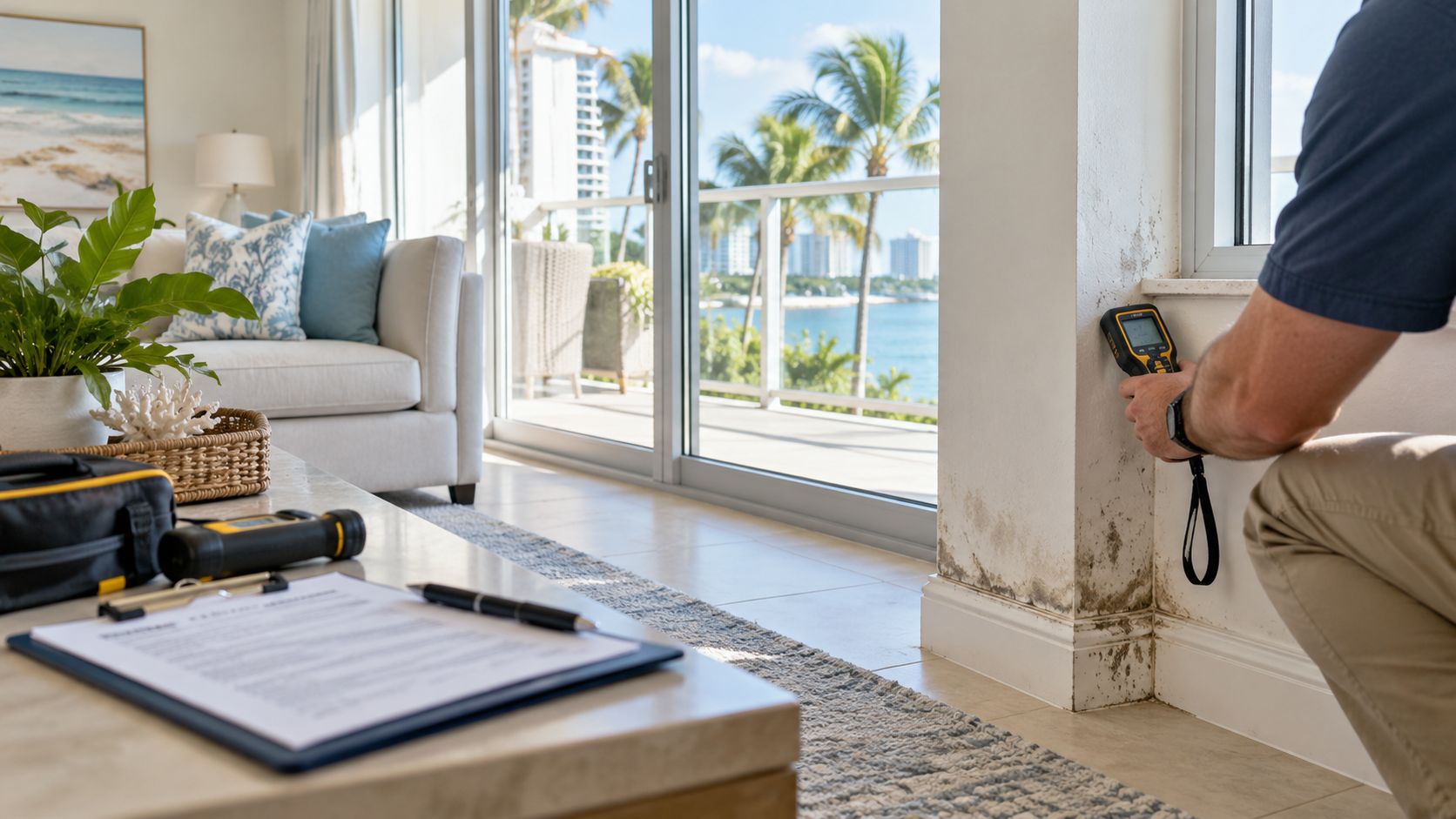
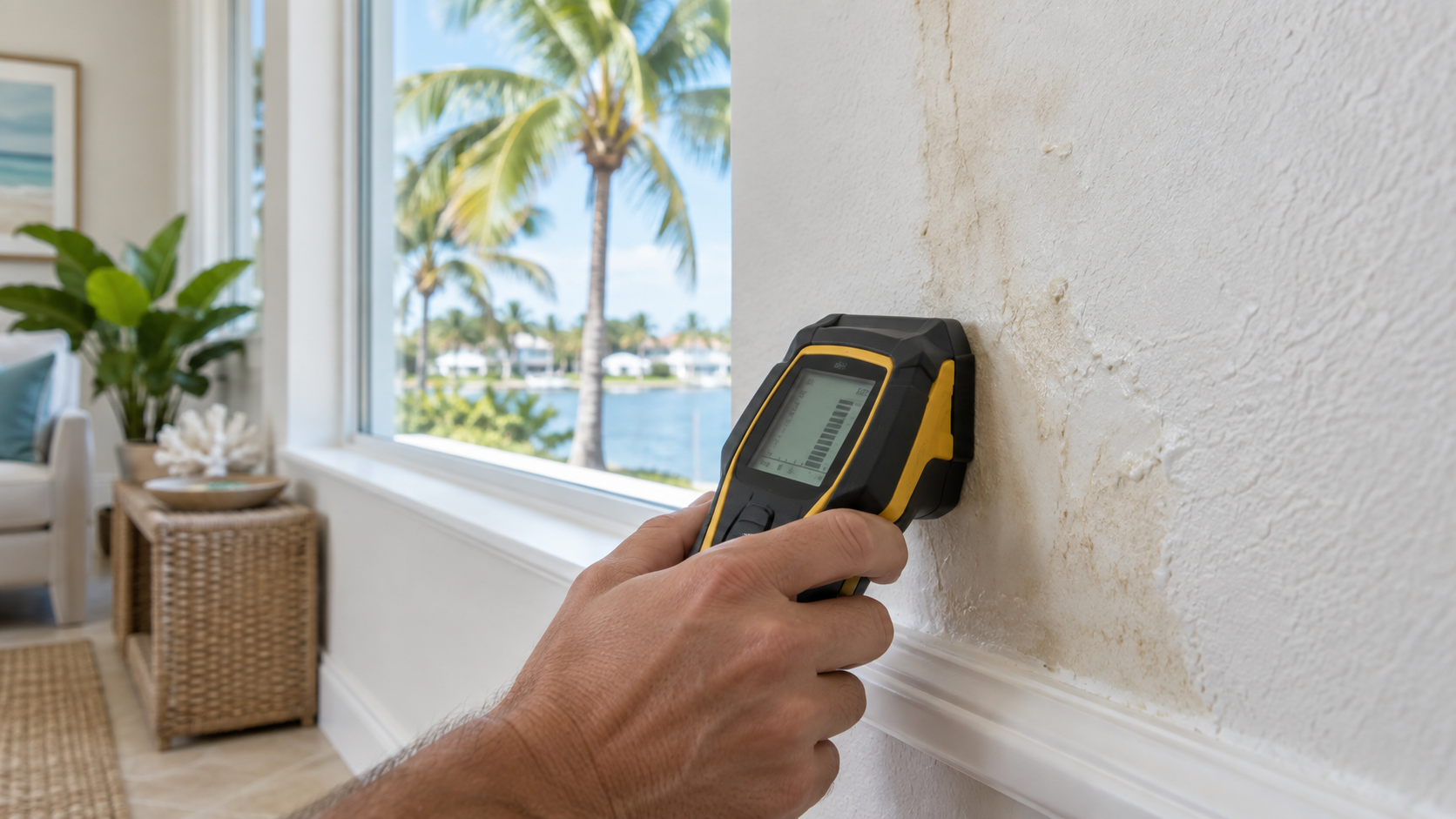
- The findings align with moisture readings. Moisture Mapping & Readings can help identify areas where elevated moisture may be supporting mold growth.
A mold report should therefore be treated as part of the investigation, not as a map showing exactly where mold is growing.
In simple terms, mold test results can help point toward a possible indoor source, but the source is usually confirmed by combining the lab results with the physical inspection and moisture findings.
Do High Mold Spore Counts Always Mean There Is a Serious Problem?
No. High mold spore counts do not automatically mean there is a severe mold problem. The results need to be interpreted in context, including the mold types detected, indoor-to-outdoor comparisons, moisture conditions, visible findings, and where each sample was collected.
A higher count may deserve closer attention when:
- The indoor level is much higher than the outdoor reference sample.
- One room has a significantly different result from the rest of the property.
- Certain mold types appear indoors but not outdoors.
- The result matches visible mold, water damage, or persistent musty odors.
- Moisture readings suggest damp materials are still present.
At the same time, a single high number without supporting evidence does not automatically confirm the extent or source of a mold problem.
A professional Mold Assessment Services evaluation can help put the laboratory results into context and determine whether additional investigation, moisture evaluation, or remediation planning may be appropriate.
In simple terms, a high spore count is a signal to investigate further, not a standalone diagnosis of the property.
What Should You Do After Receiving Mold Test Results?
After receiving mold test results, the next step is to interpret the laboratory findings together with the physical condition of the property. The report should not be treated as a standalone diagnosis or a simple pass-or-fail result.
A professional review may involve:
- Comparing indoor and outdoor samples. This helps determine whether indoor conditions differ meaningfully from the outdoor environment.
- Reviewing the mold types identified. Certain patterns may deserve closer evaluation depending on where they were detected and in what concentrations.
- Looking at moisture conditions. Leaks, water intrusion, elevated humidity, or damp building materials can help explain why mold spores may be elevated.
- Connecting the results to the inspection findings. Visible growth, staining, odors, and previous water damage provide important context for the laboratory data.
- Determining whether additional action is needed. Depending on the findings, next steps may include moisture correction, further investigation, or Remediation Protocols if mold remediation is necessary.
If remediation is completed, Post-Remediation Verification may later be used to evaluate whether the treated area meets the established clearance criteria.
In simple terms, the most important step after receiving mold test results is understanding what the numbers mean in relation to the actual conditions inside the property.
Can Mold Test Results Tell You If a Home Is Safe?
Mold test results can provide useful information about indoor conditions, but they do not by themselves determine whether a home is “safe” or “unsafe.” There is no single universal mold spore count that applies to every property or automatically defines an acceptable indoor environment.
A complete interpretation should consider:
- The mold types identified. Different mold groups may carry different significance depending on where and how they appear.
- Indoor versus outdoor results. Comparing samples can help show whether the indoor environment differs from normal outdoor conditions.
- Moisture conditions. Active leaks, elevated humidity, or damp building materials can provide important context for the laboratory results.
- Visible property conditions. Mold growth, staining, damaged materials, and musty odors should be considered alongside the test results.
- The location of each sample. Results from one room may not represent conditions throughout the entire property.
This is why professional Mold Assessment Services are important when reviewing laboratory findings. The assessment combines the mold test results with moisture conditions and physical observations to provide a more complete understanding of the property.
In simple terms, mold test results can help identify concerns, but they should not be used alone to label an entire home as safe or unsafe.
Frequently Asked Questions About Mold Test Results and Spore Counts
Mold test reports can be difficult to interpret without context. These common questions can help homeowners better understand what the numbers mean, how indoor and outdoor samples are compared, and when additional evaluation may be appropriate.
What is considered a high mold spore count?
There is no single universal mold spore count that automatically means a result is high or unsafe. Results are typically interpreted by comparing indoor samples with outdoor conditions, reviewing the mold types present, and considering visible moisture or mold concerns inside the property.
Should indoor mold spore counts be lower than outdoor counts?
Indoor and outdoor results are often compared because mold spores naturally exist outside. Indoor counts that are significantly higher than outdoor levels, or that show a different mold profile, may warrant closer evaluation.
What does it mean if mold is found indoors but not outdoors?
If a mold type appears indoors but is not detected in the outdoor reference sample, that may suggest a possible indoor source. The result should still be interpreted together with moisture findings, inspection observations, and the location of the sample.
Can one room have higher mold levels than the rest of the house?
Yes. Mold conditions can be localized, especially near leaks, water damage, HVAC systems, or areas with elevated moisture. A higher result in one room may help identify where additional investigation is needed.
Does a low mold spore count mean there is no mold problem?
Not necessarily. Air sampling provides information about conditions at the time and location of the sample, but hidden mold or localized growth may not always produce a high airborne count. A professional Mold Assessment Services evaluation can provide additional context.
Can mold test results show whether remediation is needed?
Mold test results can contribute to the decision, but they are usually interpreted together with visible findings, moisture conditions, and the overall property assessment. If remediation is needed, Remediation Protocols can help define the affected areas and recommended procedures.
Should mold testing be repeated after remediation?
In some cases, yes. Post-Remediation Verification may include follow-up testing to help determine whether the treated area meets the established clearance criteria after remediation is complete.
Can moisture readings help explain elevated mold results?
Yes. Elevated moisture can support mold growth, so moisture findings may help explain why certain indoor mold counts are higher than expected. Moisture Mapping & Readings can help identify areas that may require closer evaluation.
Schedule Professional Mold Testing in South Florida
If you have received mold test results and are unsure how to interpret the spore counts, mold types, or indoor-to-outdoor comparisons, a professional assessment can help put the laboratory findings into context.
Holistic Environmental Solutions provides Indoor Mold Testing, Mold Assessment Services, and Moisture Mapping & Readings throughout Miami-Dade, Broward, Palm Beach, and Monroe counties. Our team can help evaluate the test results alongside visible conditions, moisture concerns, and the history of the property.
Call (786) 580-9374 or fill out our online contact form to receive 10% off your inspection when you schedule through the website. Get a clearer understanding of what your mold test results mean and what next steps may be appropriate for your property.
About Holistic Environmental Solutions
Holistic Environmental Solutions provides independent mold assessment and environmental testing services throughout South Florida, including Mold Assessment Services, Indoor Mold Testing, Air Quality Testing, Moisture Mapping & Readings, Remediation Protocols, and Post-Remediation Verification. Our team serves Miami-Dade, Broward, Palm Beach, and Monroe counties, helping property owners better understand mold, moisture, and indoor air quality concerns with clear, objective findings.
Florida Licensed Mold-Related Services Assessor #MRSA5496
Recent Posts