
Mold Clearance Testing in South Florida: What Happens After Mold Remediation?
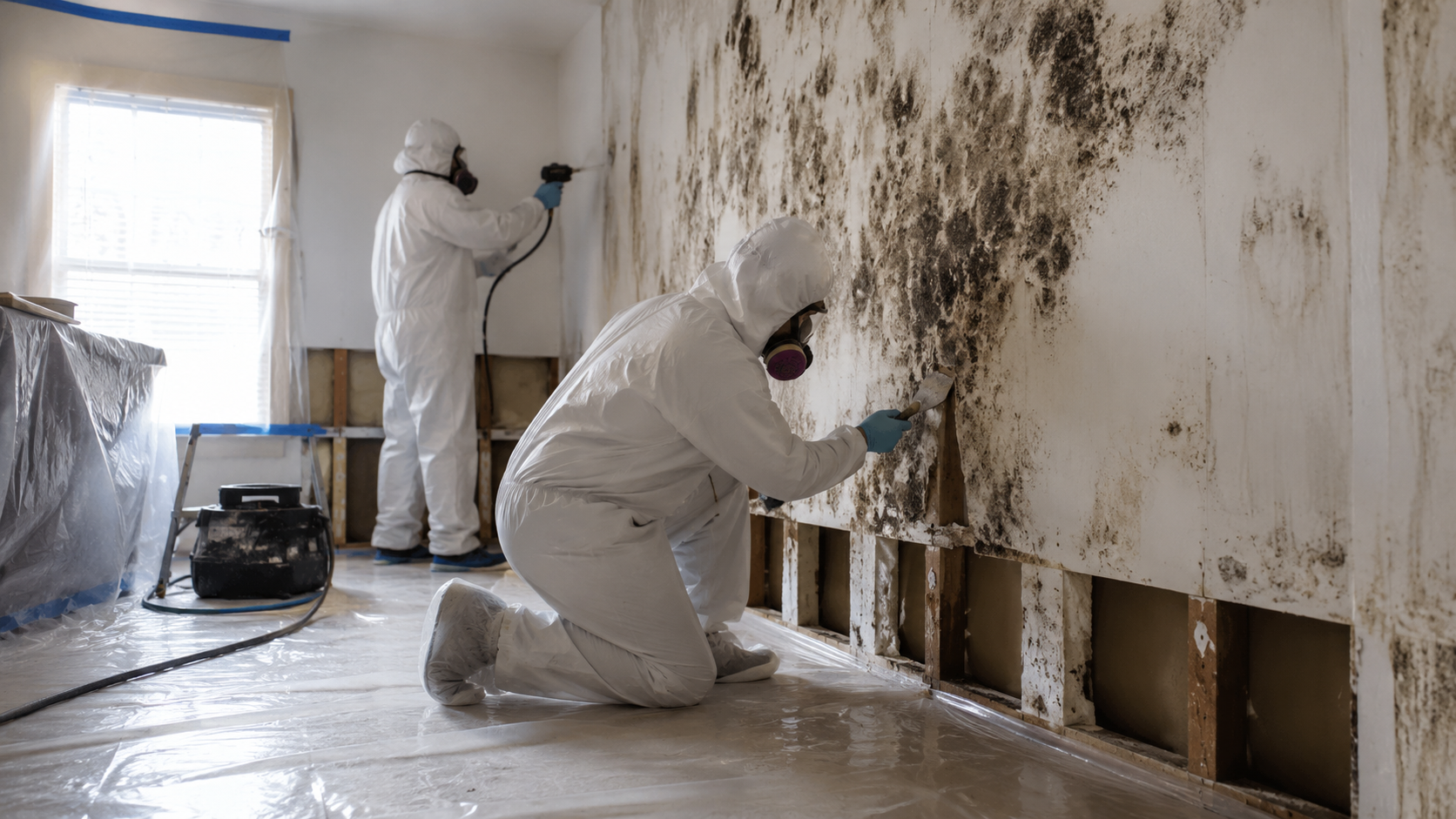
Mold clearance testing is performed after mold remediation to help determine whether the treated area meets the established clearance criteria. It may include a visual evaluation, moisture readings, and air or surface sampling depending on the remediation protocol and conditions inside the property.
For South Florida property owners, this step can be especially important after mold removal caused by leaks, water intrusion, storm damage, or prolonged moisture problems. Completing remediation does not automatically confirm that the area is ready for repairs, reconstruction, or normal use.
Professional Post-Remediation Verification can provide an independent evaluation of the completed work and help document whether the remediation goals have been met.
In this guide, we’ll explain what mold clearance testing is, how it differs from the remediation itself, when it should be performed, what the process may include, and what happens if the area does not meet the established clearance criteria.
What Is Mold Clearance Testing?
Mold clearance testing is an evaluation performed after mold remediation to help determine whether the treated area meets the established clearance criteria and whether additional work may be needed.
Depending on the remediation protocol and conditions inside the property, clearance testing may include:
- Visual inspection. The remediated area is checked for remaining visible mold, dust, debris, or other conditions that may indicate incomplete work.
- Moisture readings. Building materials may be evaluated to help confirm that elevated moisture is no longer present.
- Air sampling. Indoor air samples may be collected and compared with control or outdoor samples when required by the protocol.
- Surface sampling. Samples may be taken from specific materials or areas when additional information is needed.
- Review against clearance criteria. Findings are compared with the established remediation goals to determine whether the area meets the requirements for completion.
Mold clearance testing is typically part of a broader Post-Remediation Verification process. The goal is to independently evaluate the completed remediation before repairs, reconstruction, or normal use of the affected area moves forward.
What Is the Difference Between Mold Clearance Testing and Post-Remediation Verification?
Mold clearance testing is typically one part of the broader post-remediation verification process. Post-remediation verification evaluates whether the completed mold remediation meets the established clearance criteria, while clearance testing may involve air or surface sampling used to provide additional information about conditions in the treated area.
A post-remediation verification may include:
- Visual inspection of the remediated area. The space is evaluated for remaining visible mold, dust, debris, or other conditions that may indicate additional work is needed.
- Moisture evaluation. Moisture readings can help determine whether elevated moisture conditions that contributed to the original mold problem are still present.
- Mold clearance testing. Air or surface samples may be collected when required by the remediation protocol or appropriate for the conditions.
- Comparison with the remediation protocol. The completed work can be reviewed against the established scope and clearance criteria.
- Documentation of the findings. The verification results help determine whether the area meets the established criteria or whether further remediation may be necessary.
In simple terms, mold clearance testing provides testing data, while Post-Remediation Verification evaluates the overall condition of the remediated area after the work is complete.
Homeowners who want a deeper explanation of the process can also read The Importance of Post-Remediation Verification After Mold Removal, which explains why an independent evaluation can be an important final step after mold remediation.
When Should Mold Clearance Testing Be Performed?
Mold clearance testing should generally be performed after the remediation work is complete and before repairs, reconstruction, or normal use of the affected area resumes. The goal is to evaluate the remediated space at the right point in the process, after cleanup is finished but before the area is closed back up.
Clearance testing may be appropriate:
- After professional mold remediation. Testing can help provide additional information about conditions in the treated area once the remediation work has been completed.
- Before drywall, flooring, or other finishes are replaced. Evaluating the area before reconstruction can help avoid covering up a problem that may still need attention.
- When required by a remediation protocol. A written Remediation Protocols document may outline specific clearance criteria or testing steps that should be completed before the project is considered finished.
- After significant water or moisture damage. If mold remediation followed a leak, flooding, or water intrusion event, moisture conditions may also need to be reviewed.
- When independent documentation is important. Clearance testing can provide useful records for homeowners, property managers, real estate transactions, or insurance-related situations.
For South Florida properties, it is also important to confirm that the moisture conditions contributing to the original mold problem have been addressed. Moisture Mapping & Readings may help document whether elevated moisture remains in walls, flooring, ceilings, or other building materials.
In simple terms, mold clearance testing is performed after remediation and before the affected area is rebuilt or returned to normal use.
What Happens During a Mold Clearance Test?
A mold clearance test evaluates the remediated area after cleanup to determine whether the space meets the established clearance criteria. The exact process can vary depending on the remediation protocol, the size of the affected area, and the conditions found inside the property.
A professional clearance evaluation may include:
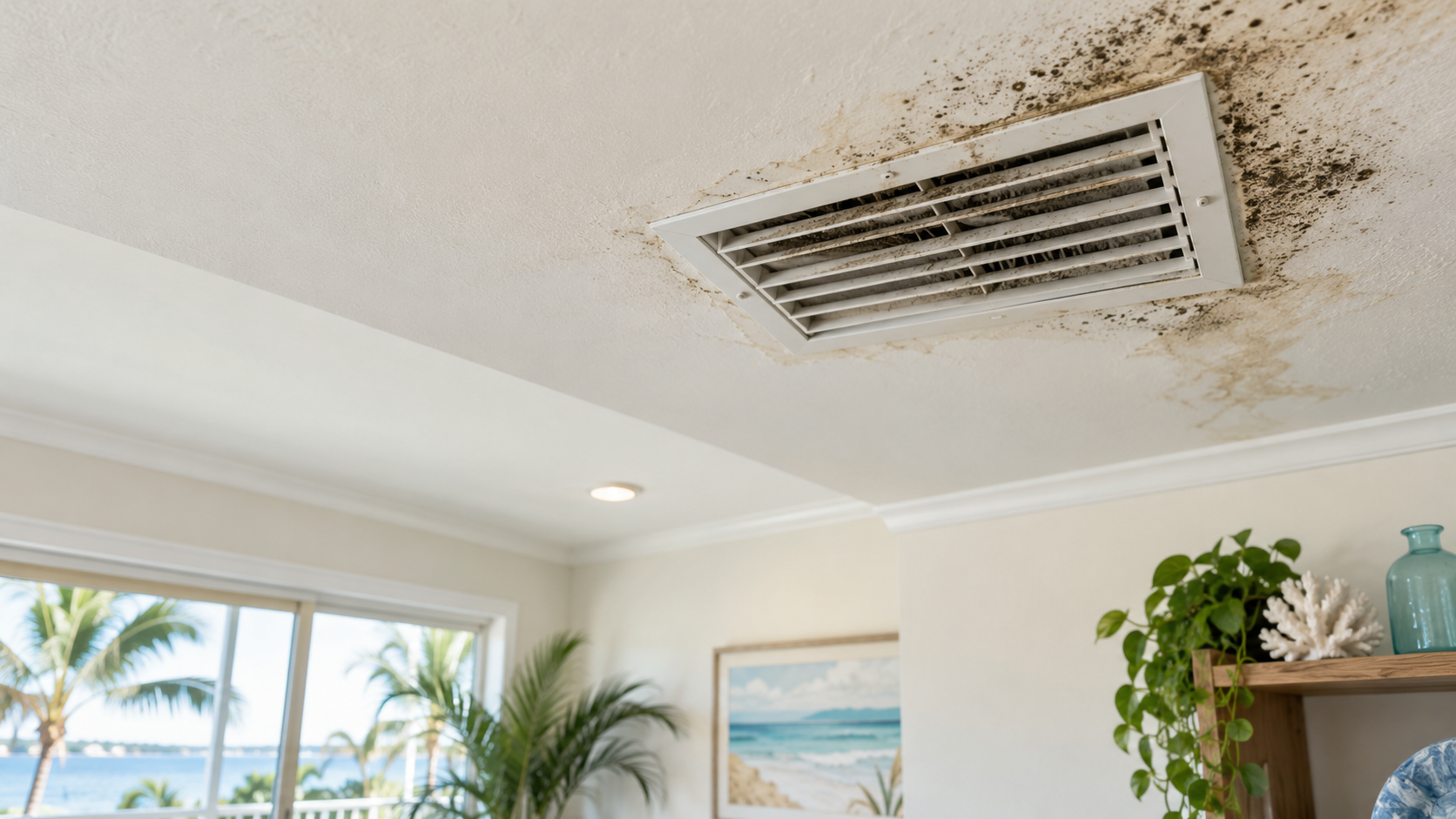
- Visual inspection. The area is checked for remaining visible mold, dust, debris, or materials that may still require attention.
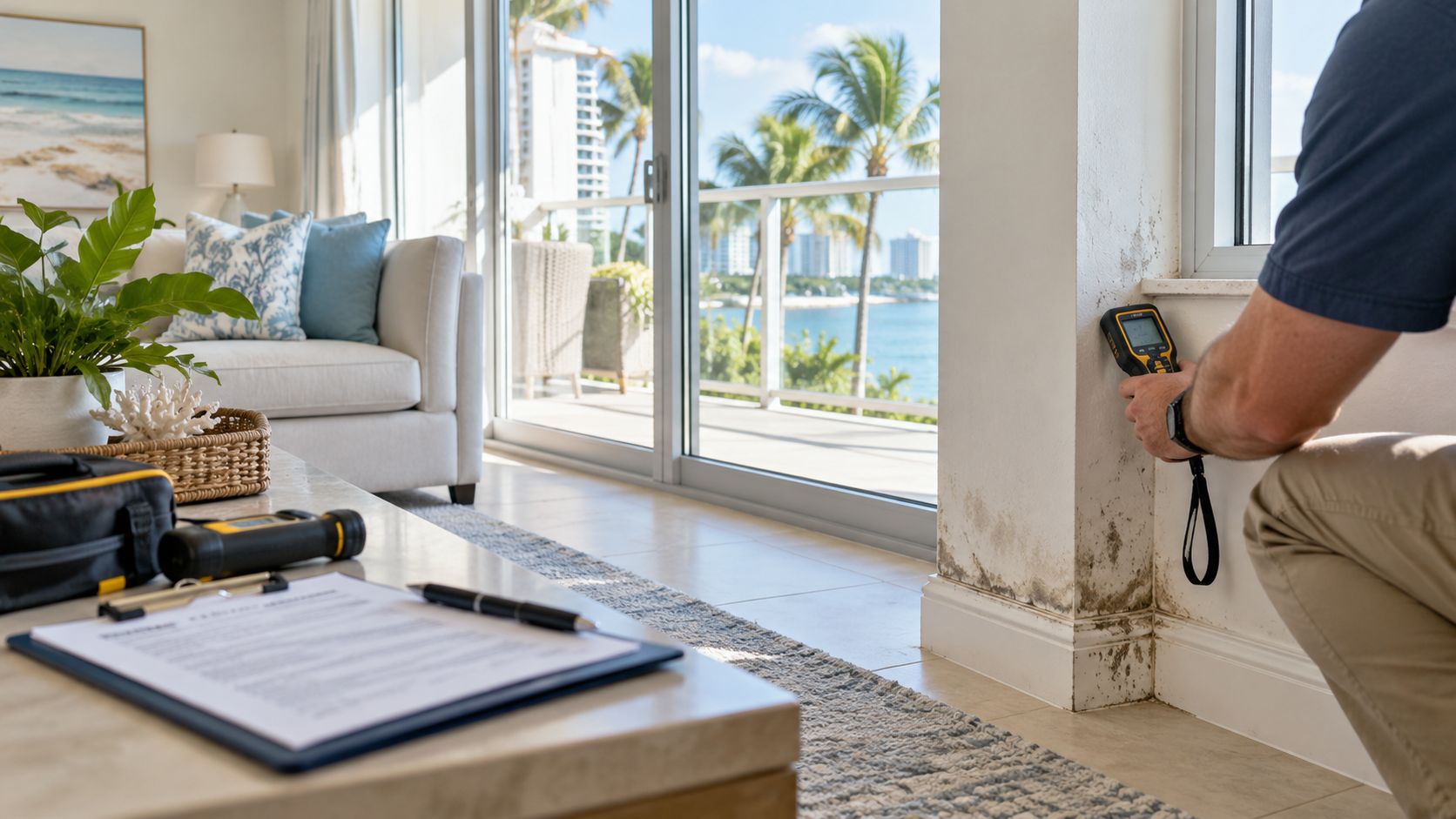
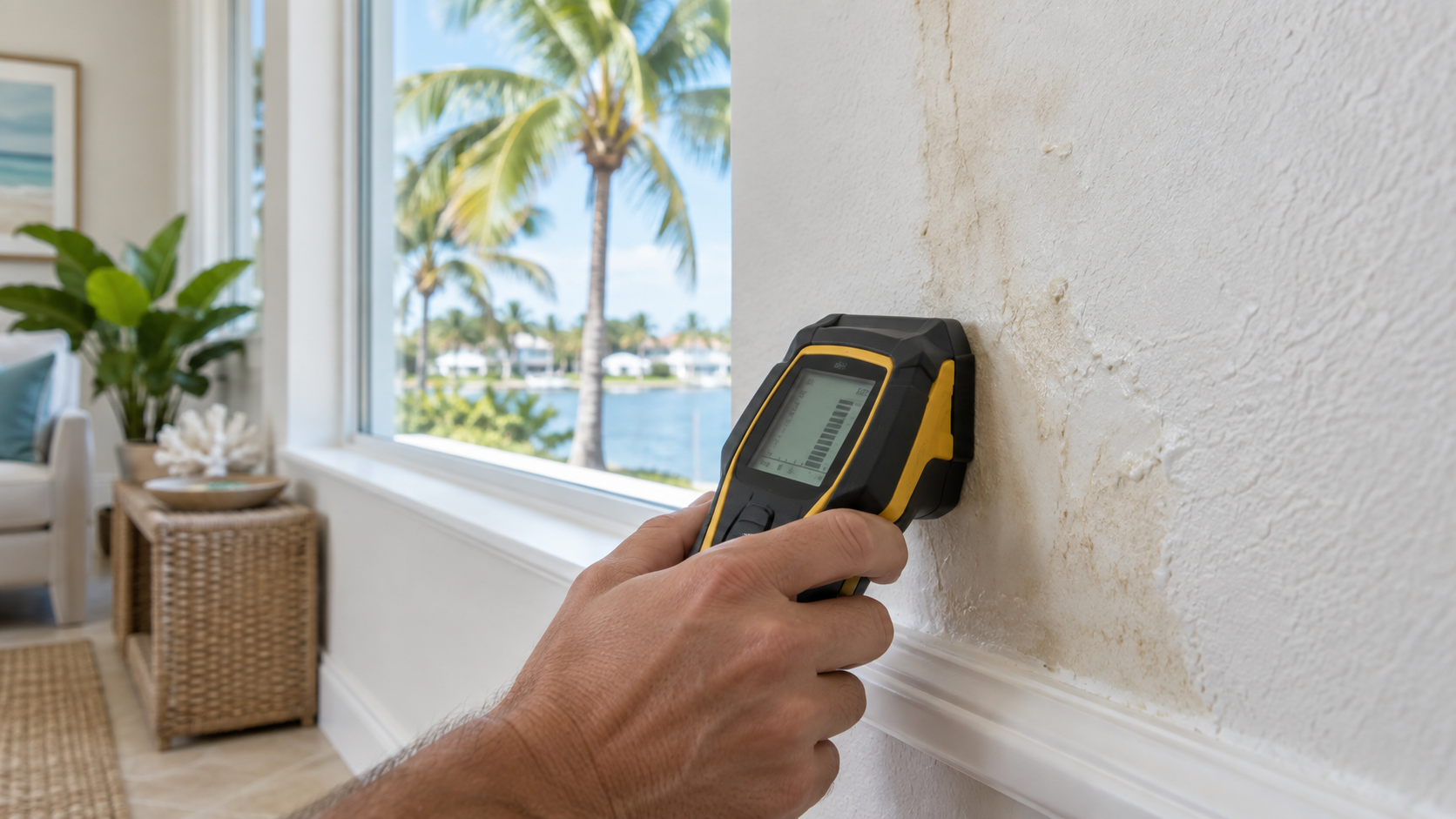
- Moisture readings. The inspector may evaluate walls, flooring, ceilings, or other building materials to confirm that elevated moisture is not still present.
- Air sampling. Indoor air samples may be collected and compared with control or outdoor samples when appropriate.
- Surface sampling. Specific areas may be tested when the protocol or site conditions call for additional information.
- Review of remediation criteria. The findings are compared with the established Remediation Protocols to determine whether the remediation goals have been met.
Professional Post-Remediation Verification brings these findings together to evaluate the overall condition of the treated area and determine whether additional work may be needed before reconstruction or normal use resumes.
In simple terms, a mold clearance test checks the remediated space for visible conditions, moisture, and mold-related indicators before the project is considered complete.
What Happens If a Property Fails Mold Clearance Testing?
If a property does not meet the established clearance criteria, the remediation should not be considered complete yet. The failed result helps identify that additional cleaning, drying, or remediation may be needed before the area is rebuilt or returned to normal use.
Possible next steps may include:
- Reviewing the failed areas. The inspector can document where visible conditions, moisture, or testing results did not meet the established criteria.
- Correcting remaining moisture problems. If elevated moisture is still present, the underlying leak, water intrusion, or drying issue should be addressed.
- Completing additional remediation. The remediation company may need to perform more cleaning, remove remaining affected materials, or correct areas that were not fully addressed.
- Following the existing remediation protocol. The Remediation Protocols can be reviewed to confirm which steps or clearance requirements still need to be completed.
- Repeating post-remediation verification. After corrective work is finished, Post-Remediation Verification may be performed again to determine whether the area now meets the established clearance criteria.
A failed clearance test does not necessarily mean the entire remediation project was unsuccessful. It means the area needs additional attention before the project can be properly closed out.
In simple terms, if mold clearance testing fails, additional remediation or moisture correction is typically completed before the area is tested again.
How Long Does Mold Clearance Testing Take?
Mold clearance testing itself is typically completed after the remediation area is ready for evaluation, but the total timeline can vary depending on the size of the project, the type of testing performed, and laboratory turnaround times.
The process may involve:
- On-site evaluation. The inspector reviews the remediated area for visible conditions, moisture concerns, and overall cleanliness.
- Air or surface sampling when appropriate. Samples may be collected if required by the remediation protocol or site conditions.
- Laboratory analysis. Collected samples are sent to a laboratory, and results may take additional time depending on the testing method.
- Review of findings. The results are compared with the established clearance criteria to determine whether the area meets the remediation goals.
- Additional testing if needed. If the area does not meet the clearance criteria, corrective work may be completed before another verification is performed.
For South Florida properties, the timing can also depend on whether moisture conditions have fully stabilized after remediation. If there are concerns about lingering moisture, Moisture Mapping & Readings may be useful before the project is considered complete.
In simple terms, the inspection portion may be completed relatively quickly, but final clearance can take longer if laboratory results or additional corrective work are needed.
Do You Need Mold Clearance Testing After Every Remediation?
Not every mold remediation project requires the exact same clearance process, but post-remediation evaluation is often recommended when you want independent confirmation that the treated area meets the established criteria before the project is considered complete.
Clearance testing may be especially important when:
- The remediation involved a larger affected area. More extensive projects may benefit from documented verification before reconstruction begins.
- A remediation protocol was created. The protocol may include specific clearance criteria that should be evaluated after the work is finished.
- Air or surface sampling was part of the original assessment. Follow-up testing may help compare conditions after remediation.
- The property has a history of recurring mold. Independent verification can help determine whether the treated area has been adequately addressed.
- Documentation is needed. Homeowners, property managers, buyers, sellers, or insurance representatives may want records showing that post-remediation evaluation was completed.
A professional Post-Remediation Verification can help determine whether visual conditions, moisture levels, and testing results meet the established requirements for the project.
In simple terms, mold clearance testing is not identical for every project, but it can be an important final step when independent verification or documented clearance is needed.
Who Should Perform Mold Clearance Testing?
Mold clearance testing should ideally be performed by a qualified professional who is independent from the company that completed the remediation. Independent verification helps keep the evaluation focused on whether the treated area meets the established clearance criteria rather than on the remediation work itself.
When choosing someone to perform clearance testing, look for:
- Relevant mold assessment experience. The professional should understand how to evaluate remediated areas, moisture conditions, and testing results.
- Independence from the remediation company. Keeping assessment and remediation separate can provide a more objective evaluation of the completed work.
- Knowledge of the remediation protocol. The inspector should be able to review the established Remediation Protocols and compare the completed work with the required clearance criteria.
- Appropriate testing capabilities. Depending on the project, air sampling, surface sampling, moisture readings, or other evaluation methods may be needed.
- Clear documentation. The findings should be documented so the property owner understands whether the area passed or whether additional work is recommended.
Holistic Environmental Solutions provides independent Post-Remediation Verification for properties throughout Miami-Dade, Broward, Palm Beach, and Monroe counties.
In simple terms, mold clearance testing is strongest when the professional evaluating the completed work is independent from the company that performed the remediation.
Frequently Asked Questions About Mold Clearance Testing
Mold clearance testing often raises questions about timing, testing methods, pass/fail criteria, and what happens after remediation. Below are answers to common questions South Florida property owners may have before closing out a mold remediation project.
Is mold clearance testing the same as post-remediation verification?
Not exactly. Mold clearance testing may include air or surface sampling, while Post-Remediation Verification is the broader evaluation of the remediated area. Verification may also include visual inspection, moisture readings, review of the remediation protocol, and comparison with established clearance criteria.
What does it mean to pass a mold clearance test?
Passing mold clearance testing means the remediated area meets the established clearance criteria for the project. Those criteria may include acceptable visual conditions, moisture levels, cleanliness, and testing results when sampling is required.
What happens if mold clearance testing fails?
If the area does not meet the clearance criteria, additional cleaning, drying, or remediation may be needed. After corrective work is completed, the property can be evaluated again through Post-Remediation Verification.
Is air sampling always required for mold clearance testing?
No. The testing approach depends on the remediation protocol, the conditions inside the property, and the established clearance requirements. Some projects may include air or surface sampling, while others may rely on additional evaluation methods.
Should mold clearance testing be done before drywall is replaced?
Generally, clearance evaluation should occur before reconstruction closes the remediated area back up. This allows the space to be evaluated before new drywall, flooring, or other finishes cover areas that may still require attention.
Can moisture cause a property to fail clearance testing?
Elevated moisture may indicate that the conditions contributing to the original mold problem have not been fully resolved. Moisture Mapping & Readings can help identify areas where elevated moisture may still be present before the remediation project is considered complete.
How soon after remediation can clearance testing be performed?
Clearance testing is typically performed after the remediation work is complete and the area is ready for evaluation. The exact timing may depend on the remediation protocol, drying conditions, and whether additional sampling or laboratory analysis is required.
Do I need clearance testing if the mold is gone visually?
A clean visual appearance alone may not provide all the information needed to close out a remediation project. Post-Remediation Verification can evaluate visible conditions along with moisture levels, testing results when applicable, and the requirements established by the remediation protocol.
Why should the clearance inspector be independent from the remediation company?
Using an independent professional helps separate the evaluation of the completed work from the company that performed the remediation. This provides property owners with a more objective assessment of whether the established clearance criteria have been met.
Schedule Mold Clearance Testing in South Florida
If mold remediation has been completed, a professional clearance evaluation can help determine whether the treated area meets the established criteria before repairs, reconstruction, or normal use of the space resumes.
Holistic Environmental Solutions provides independent Post-Remediation Verification, mold clearance testing, and related environmental assessment services throughout Miami-Dade, Broward, Palm Beach, and Monroe counties. Our team can evaluate visible conditions, moisture levels, and testing results when appropriate to help determine whether additional work may be needed.
Call (786) 580-9374 or fill out our online contact form to receive 10% off your inspection when you schedule through the website. Get clear documentation and an independent evaluation before closing out your mold remediation project.
About Holistic Environmental Solutions
Holistic Environmental Solutions provides independent mold assessment and environmental testing services throughout South Florida, including Mold Assessment Services, Indoor Mold Testing, Air Quality Testing, Moisture Mapping & Readings, Remediation Protocols, and Post-Remediation Verification. Our team serves Miami-Dade, Broward, Palm Beach, and Monroe counties, helping property owners better understand mold, moisture, and indoor air quality concerns with clear, objective findings.
Florida Licensed Mold-Related Services Assessor #MRSA5496
Recent Posts