
What Is a Moisture Intrusion Inspection? How to Find Hidden Water Damage in Your South Florida Home
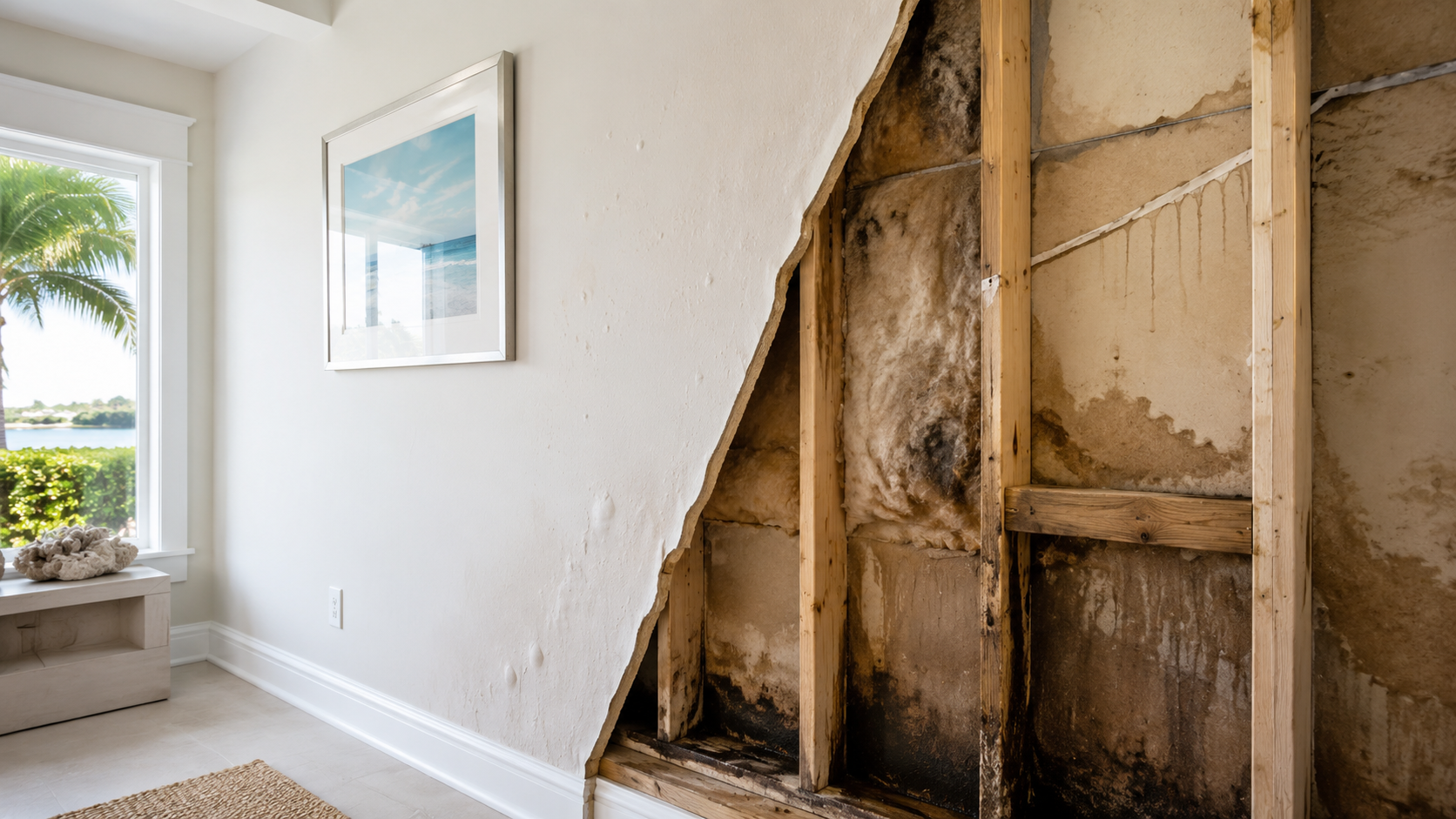
Water damage is not always obvious. A roof leak, plumbing issue, storm, or slow source of water intrusion can allow moisture to move behind walls, beneath flooring, around windows, or into other building materials long before visible damage appears.
In South Florida, high humidity, heavy rain, tropical weather, and frequent air-conditioning use can make hidden moisture especially important to identify early. Even when a surface looks dry, elevated moisture may still be present inside the structure.
A professional Moisture Mapping & Readings assessment can help identify areas with elevated moisture and provide a clearer picture of where water may be entering or traveling through the property.
In this guide, we’ll explain what a moisture intrusion inspection is, how it works, common signs of hidden water damage, and when South Florida property owners should consider professional moisture evaluation.
What Is a Moisture Intrusion Inspection?
A moisture intrusion inspection is used to evaluate areas of a property where water may be entering, collecting, or remaining inside building materials. The goal is to identify moisture conditions that may not be obvious during a standard visual check and determine where further investigation may be needed.
A professional moisture inspection may include:
- Visual evaluation. The inspector looks for staining, bubbling paint, warped materials, damaged finishes, and other signs of possible water intrusion.
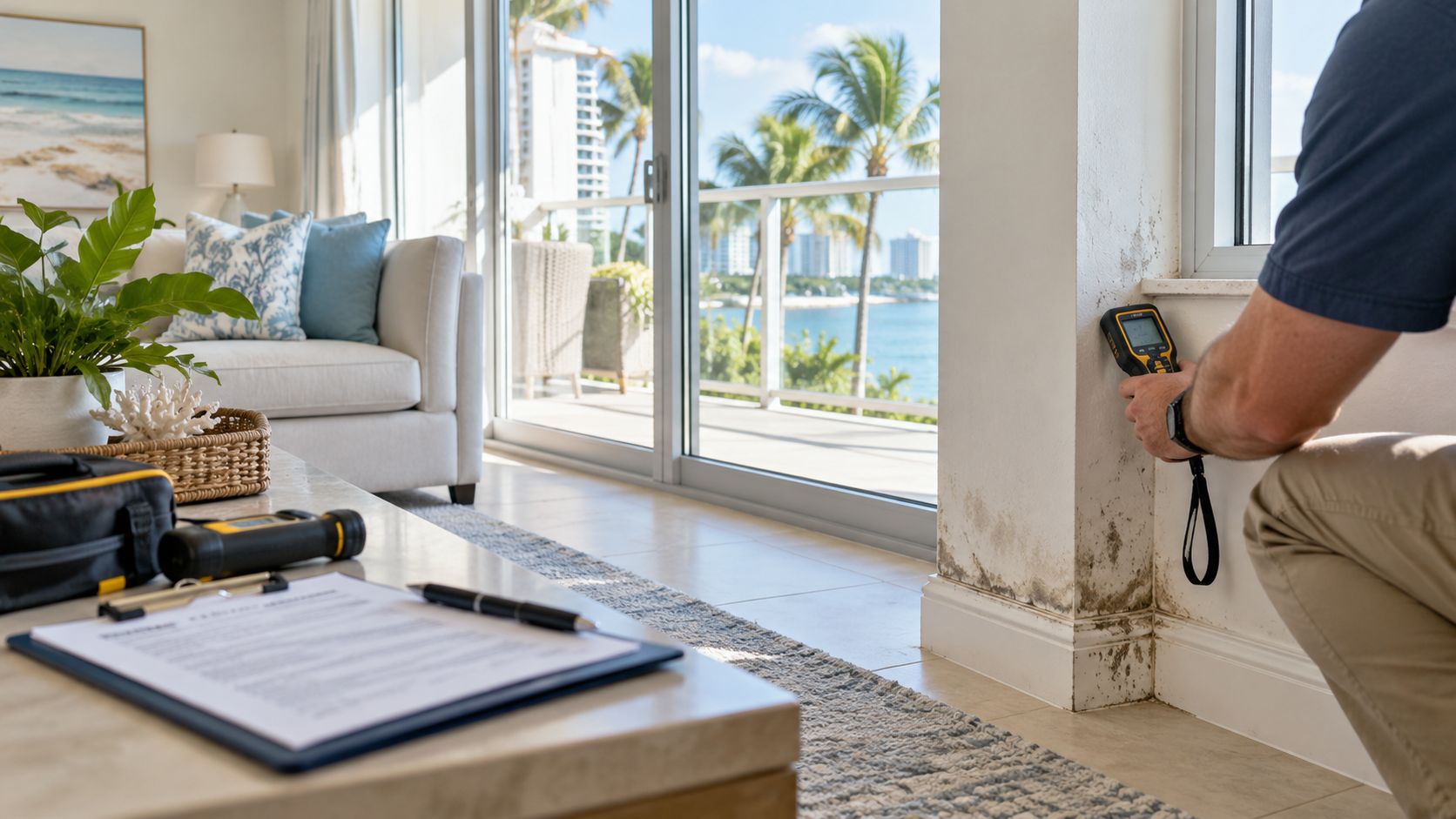
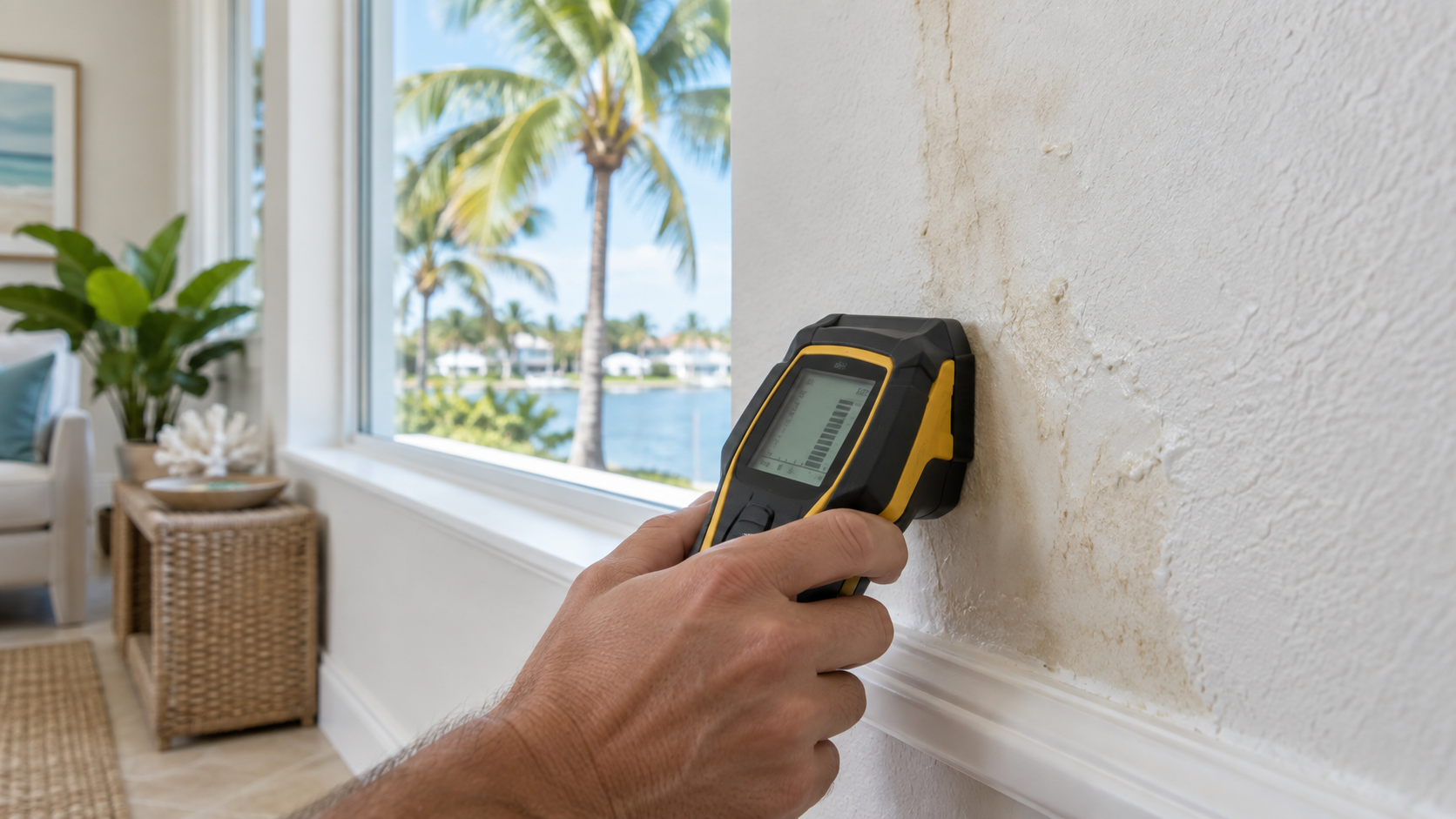
- Moisture readings. Moisture meters can help identify areas where building materials contain elevated moisture levels.
- Thermal imaging. Infrared technology may be used to identify temperature differences that can point to areas requiring closer evaluation.
- Evaluation of likely entry points. Windows, roofs, plumbing fixtures, exterior walls, and HVAC systems may be reviewed when moisture intrusion is suspected.
- Documentation of affected areas. Moisture Mapping & Readings can help show where elevated moisture is present and how far the affected area may extend.
A moisture intrusion inspection can be especially helpful when there is a history of leaks, storm damage, recurring stains, musty odors, or water damage that does not have an obvious source.
What Are the Most Common Signs of Hidden Water Intrusion?
Water intrusion is not always easy to spot, especially when moisture is developing behind finished surfaces. Some warning signs may appear gradually, while others may only become noticeable after heavy rain, plumbing problems, or repeated humidity exposure.
Common signs to watch for include:
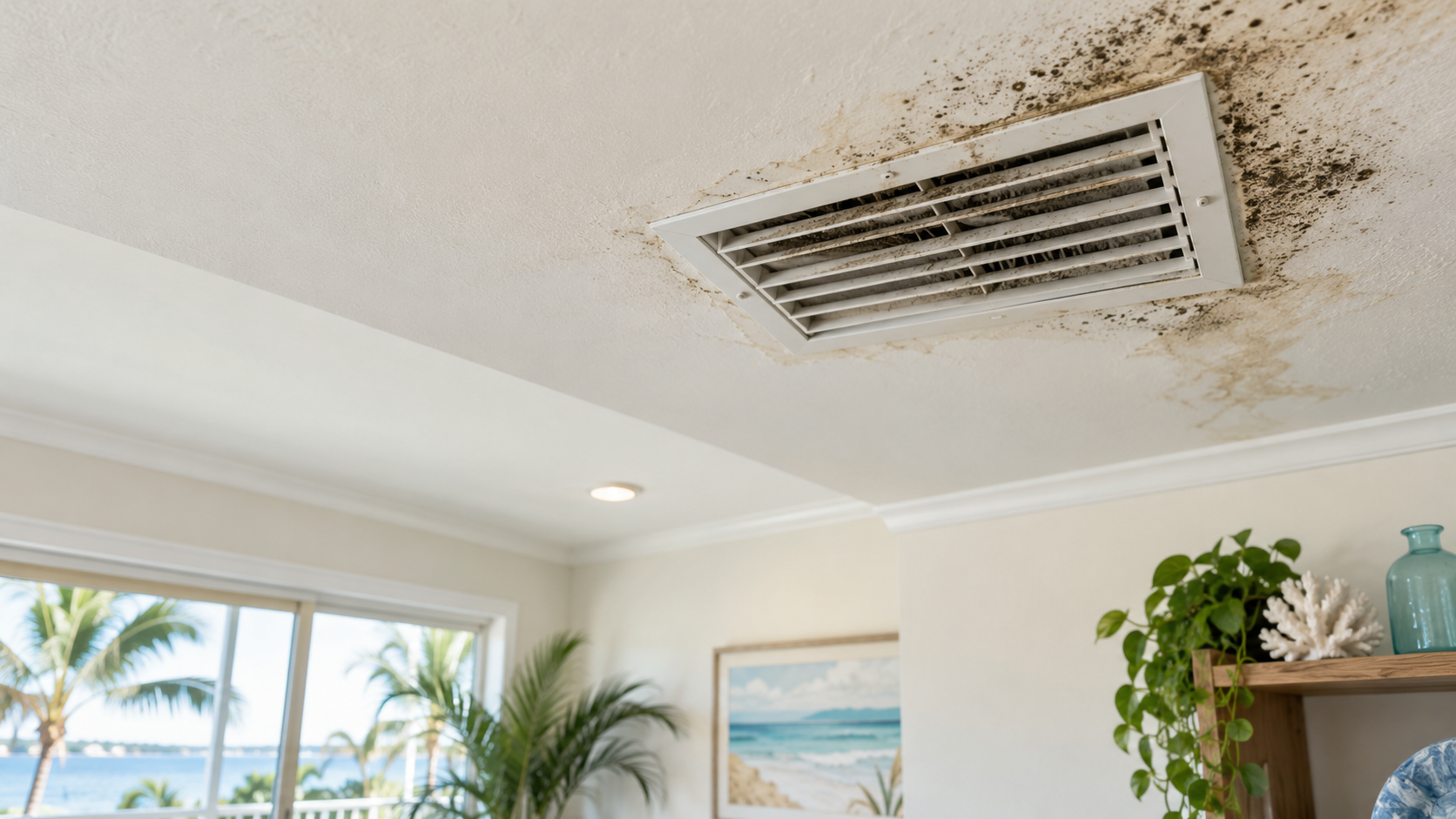
- Water stains or discoloration. Yellow, brown, or darkened areas on walls and ceilings may indicate previous or ongoing moisture intrusion.
- Bubbling or peeling paint. Paint or wall coverings can begin to lift when moisture is affecting the material underneath.
- Warped or buckled flooring. Wood, laminate, or other flooring materials may change shape when moisture becomes trapped below the surface.
- Soft or deteriorating drywall. Drywall can weaken when it absorbs moisture over time.
- Persistent musty odors. A recurring damp or musty smell may indicate hidden moisture or mold growth in an area that is not immediately visible.
- Condensation around windows or HVAC areas. Repeated condensation can contribute to elevated moisture conditions and may point to ventilation or humidity concerns.
If these warning signs are present, a professional Moisture Mapping & Readings assessment can help identify areas with elevated moisture and determine where further investigation may be needed.
Where Does Moisture Intrusion Commonly Occur in South Florida Homes?
Moisture intrusion can happen in several areas of a property, especially where water, humidity, or exterior exposure create repeated stress on building materials. In South Florida, storms, heavy rain, high humidity, and frequent air-conditioning use can make certain areas more vulnerable.
Common problem areas include:
- Around windows and doors. Damaged seals, flashing issues, or wind-driven rain can allow water to enter around openings.
- Roof and ceiling areas. Roof leaks can allow moisture to travel into insulation, ceiling materials, and wall cavities.
- Bathrooms and kitchens. Plumbing fixtures, supply lines, drains, and appliances can create slow leaks that are not immediately obvious.
- Exterior walls. Cracks, failed sealants, or building-envelope issues can allow moisture to enter from outside.
- HVAC systems. Condensation, clogged drain lines, or drainage problems can contribute to moisture around air-conditioning equipment.
- Floors and lower wall areas. Water from leaks or intrusion may travel beneath flooring or collect near baseboards before visible damage appears.
When the source is not obvious, Moisture Mapping & Readings can help identify moisture patterns and narrow down areas that may require closer evaluation.
How Does a Moisture Intrusion Inspection Find Hidden Water Damage?
A moisture intrusion inspection helps locate hidden water damage by combining visual evaluation with tools that measure or reveal moisture patterns inside building materials. The goal is to identify areas that may be wet even when the surface looks dry.
A professional inspection may use:
- Moisture meters. These tools measure moisture levels in materials such as drywall, wood, and flooring to help identify areas with elevated readings.
- Thermal imaging. Infrared cameras can reveal temperature differences that may indicate areas where moisture is present or where further investigation is needed.
- Visual indicators. Staining, bubbling paint, warped materials, damaged baseboards, and other physical changes can provide clues about where water may be traveling.
- Comparative readings. Moisture levels in suspected areas may be compared with unaffected areas to help determine whether conditions are abnormal.
- Moisture mapping. Multiple readings can be documented across an affected area to show how far moisture may have spread.
It is important to understand that thermal imaging does not literally see water through a wall. Instead, it identifies temperature patterns that can help an inspector determine where moisture readings or additional evaluation may be appropriate.
When hidden moisture is suspected, professional Moisture Mapping & Readings can provide a clearer picture of where elevated moisture is located and whether the affected area extends beyond what is visible.
Can a Moisture Intrusion Inspection Find Water Behind Walls?
Yes. A moisture intrusion inspection can help identify signs of water behind walls by using moisture meters, thermal imaging, and other diagnostic methods to evaluate areas that may not be visibly wet.
An inspector may look for:
- Elevated moisture readings. Moisture meters can help detect unusually high moisture levels in wall materials.
- Temperature differences. Thermal imaging may reveal patterns that suggest an area should be checked more closely.
- Visible warning signs. Staining, bubbling paint, soft drywall, or damaged baseboards can provide clues that moisture may be present inside the wall.
- Patterns around likely entry points. Windows, plumbing lines, roofs, and exterior walls may be evaluated when water intrusion is suspected.
A moisture intrusion inspection does not literally see through walls, but it can help pinpoint areas where hidden moisture may be present and where further investigation may be needed.
If elevated moisture is found, Moisture Mapping & Readings can help document the affected area and show how far the moisture may extend.
What Is the Difference Between a Moisture Intrusion Inspection and Moisture Mapping?
A moisture intrusion inspection focuses on identifying where water may be entering a property and evaluating the conditions that could be contributing to hidden moisture. Moisture mapping focuses on documenting where elevated moisture is located and how far the affected area may extend.
The two services can work together during an investigation:
- Moisture intrusion inspection identifies the potential source. The inspector may evaluate roofing, windows, plumbing, exterior walls, HVAC systems, or other areas where water could be entering the property.
- Moisture readings help confirm affected areas. Specialized meters can be used to compare moisture levels throughout the property.
- Moisture mapping documents the spread. Multiple readings can help show how far moisture has traveled behind walls, beneath flooring, or through other materials.
- Thermal imaging may guide further evaluation. Temperature patterns can help identify areas where additional moisture readings may be needed.
For example, a roof leak may be the source of the moisture intrusion, while Moisture Mapping & Readings can help determine whether that moisture has traveled into the ceiling, walls, insulation, or nearby materials.
Homeowners dealing with a recent leak or water event can also learn more in our guide, Moisture Mapping After Water Damage: How to Find Hidden Moisture in Your South Florida Home.
Can Hidden Moisture Lead to Mold Growth?
Yes. Hidden moisture can create the damp conditions mold needs to grow, especially when water remains trapped behind walls, beneath flooring, inside ceilings, or around HVAC systems.
This can happen after:
- Plumbing leaks that allow water to spread into nearby materials.
- Roof or window leaks that introduce moisture during heavy rain.
- Flooding or storm damage that leaves building materials damp.
- High indoor humidity that contributes to condensation.
- Slow water intrusion that goes unnoticed for an extended period.
Because mold growth may begin in areas that are not immediately visible, identifying the moisture source is an important part of understanding the overall problem.
If you are concerned about mold after discovering hidden moisture, Indoor Mold Testing can provide additional information about conditions inside the property.
When Should You Schedule a Moisture Intrusion Inspection?
A moisture intrusion inspection should be considered when there are signs of water damage, recurring moisture, or unexplained changes inside the property that suggest water may be entering or remaining where it should not.
Common situations include:
- After a roof or plumbing leak. Even when the visible water is gone, moisture may remain inside walls, ceilings, flooring, or other materials.
- After heavy rain or storm damage. Wind-driven rain and damaged building materials can allow water to enter through roofs, windows, doors, or exterior walls.
- When stains keep returning. Reappearing discoloration may indicate an unresolved moisture source.
- When there is a persistent musty odor. Ongoing odors may point to hidden moisture or mold growth in a concealed area.
- When flooring, drywall, or paint begins to change. Warping, bubbling, peeling, or soft materials can indicate elevated moisture.
- When you suspect mold but cannot find the source. A moisture investigation can help identify conditions that may be contributing to hidden mold concerns.
If moisture is found, Moisture Mapping & Readings can help document the affected area and determine how far the moisture may have spread. If there are also concerns about mold, Indoor Mold Testing may provide additional information about indoor conditions.
What Happens After a Moisture Intrusion Problem Is Found?
Once a moisture intrusion inspection identifies an area of concern, the next step is determining where the moisture is coming from and how the affected materials should be addressed.
Depending on the findings, next steps may include:
- Correcting the source of the water. Roof leaks, plumbing problems, window leaks, or exterior openings should be addressed so moisture does not continue entering the property.
- Drying affected materials. Walls, flooring, ceilings, insulation, or cabinetry may require drying depending on the extent of the moisture.
- Monitoring moisture levels. Follow-up readings can help determine whether affected areas are drying properly.
- Evaluating for mold when appropriate. If moisture has been present long enough to raise concern about mold, Indoor Mold Testing may provide additional information.
- Developing a remediation plan if mold is confirmed. When remediation is needed, Remediation Protocols can help outline the affected areas and recommended procedures.
The goal is not only to identify where moisture is present, but also to address the underlying source and understand whether the problem has contributed to additional mold or material concerns.
Frequently Asked Questions About Moisture Intrusion Inspections
Moisture intrusion can be difficult to identify because water may travel behind walls, beneath flooring, or through other concealed building materials before visible damage appears. These common questions can help South Florida property owners better understand when an inspection may be appropriate and what the process can reveal.
What is a moisture intrusion inspection?
A moisture intrusion inspection evaluates areas where water may be entering, collecting, or remaining inside a property. The inspection may include visual evaluation, moisture readings, thermal imaging, and other methods to help identify hidden moisture and possible sources of water intrusion.
Can a moisture intrusion inspection find a hidden leak?
A moisture intrusion inspection can help identify moisture patterns that may point to a hidden leak or other source of water intrusion. Additional plumbing, roofing, or building-envelope evaluation may still be needed to confirm the exact source.
Can moisture be detected behind drywall?
Yes. Moisture meters and thermal imaging may help identify signs of elevated moisture behind drywall without immediately opening the wall. These tools do not literally see through drywall, but they can help identify areas that warrant closer investigation.
Is moisture mapping the same as a moisture intrusion inspection?
Not exactly. A moisture intrusion inspection focuses on identifying where water may be entering the property, while Moisture Mapping & Readings helps document where elevated moisture is located and how far it may have spread.
Should I schedule a moisture inspection after a roof leak?
It may be helpful, especially if water entered ceilings, walls, insulation, or other concealed materials. Even after surfaces appear dry, elevated moisture may remain inside building materials.
Can hidden moisture cause mold?
Yes. Mold can develop when building materials remain damp for an extended period. If mold is suspected after a leak or moisture problem, Indoor Mold Testing may provide additional information about indoor conditions.
How long does a moisture intrusion inspection take?
The time required depends on the size of the property, the number of areas being evaluated, and the extent of the moisture concern. A localized issue may require less time than a property with multiple suspected water-intrusion areas.
What should I do if elevated moisture is found?
The next step is usually identifying and correcting the source of the water. Depending on the findings, affected materials may also require drying, monitoring, mold evaluation, or additional investigation.
Schedule a Moisture Intrusion Inspection in South Florida
If you are dealing with recurring water stains, musty odors, storm damage, plumbing leaks, or signs of hidden moisture, a professional moisture intrusion inspection can help identify areas that may require closer evaluation.
Holistic Environmental Solutions provides Moisture Mapping & Readings, moisture inspections, and environmental assessment services throughout Miami-Dade, Broward, Palm Beach, and Monroe counties. Our team can help document elevated moisture, evaluate areas of concern, and determine whether additional mold testing or remediation planning may be appropriate.
Call (786) 580-9374 or fill out our online contact form to receive 10% off your inspection when you schedule through the website. Get a clearer understanding of where moisture may be entering your property and what steps may be needed next.
About Holistic Environmental Solutions
Holistic Environmental Solutions provides independent mold assessment and environmental testing services throughout South Florida, including Mold Assessment Services, Indoor Mold Testing, Air Quality Testing, Moisture Mapping & Readings, Remediation Protocols, and Post-Remediation Verification. Our team serves Miami-Dade, Broward, Palm Beach, and Monroe counties, helping property owners better understand mold, moisture, and indoor air quality concerns with clear, objective findings.
Florida Licensed Mold-Related Services Assessor #MRSA5496
Recent Posts