
Musty Smell but No Visible Mold? What a Mold Inspector Looks For
A musty smell without visible mold can be a sign that moisture or fungal growth may be present somewhere you cannot easily see. Hidden mold can develop behind walls, beneath flooring, around HVAC systems, above ceilings, or in other areas affected by leaks, condensation, or water intrusion.
In South Florida, high humidity, heavy rain, plumbing leaks, roof issues, and frequent air-conditioning use can create moisture conditions that are easy to miss. Even when walls and floors look dry, damp materials or concealed moisture may still be present.
A professional Mold Assessment Services evaluation can help investigate where the odor may be coming from by looking for visible warning signs, moisture conditions, previous water damage, and areas that may require closer inspection. When hidden moisture is suspected, Moisture Mapping & Readings can help identify areas with elevated moisture levels, while Indoor Mold Testing may provide additional information when testing is appropriate.
In this guide, we’ll explain what can cause a musty smell when no mold is visible, where hidden mold commonly develops, what a mold inspector looks for, and when South Florida property owners should consider professional evaluation.
Can Mold Cause a Musty Smell Even If You Cannot See It?
Yes. Mold can sometimes produce a musty or earthy odor even when visible growth is not immediately present. This can happen when mold develops in concealed areas where moisture has collected behind walls, beneath flooring, above ceilings, or around HVAC components.
A musty smell may be connected to:
- Hidden moisture behind walls. Slow plumbing leaks, roof leaks, or water intrusion can create damp conditions inside wall cavities.
- Moisture beneath flooring. Water from leaks, flooding, or appliance problems may remain trapped below finished flooring.
- HVAC-related moisture. Condensation, drain-line problems, or damp materials near air-conditioning systems can contribute to odors.
- Previous water damage. Materials may continue holding moisture even after the visible surface appears dry.
- Poor ventilation or high humidity. South Florida’s humid climate can make it easier for damp conditions to persist in closets, bathrooms, and enclosed spaces.
A professional Mold Assessment Services evaluation can help investigate the source of the odor and determine whether moisture or mold concerns may be present. If the source is not obvious, Moisture Mapping & Readings can help identify areas with elevated moisture that may require closer inspection.
In simple terms, a musty smell without visible mold can still be a reason to investigate hidden moisture or concealed mold growth.
Where Can Hidden Mold Grow Inside a Home?
Hidden mold can develop anywhere moisture remains trapped long enough to support growth. Because these areas are often concealed by finished surfaces, homeowners may notice a musty odor before they see any visible mold.
Common places hidden mold may develop include:
- Behind drywall and baseboards. Plumbing leaks, roof leaks, or exterior water intrusion can affect wall cavities without leaving obvious surface damage right away.
- Beneath flooring. Moisture can collect under wood, laminate, carpet, or other flooring materials after leaks or water damage.
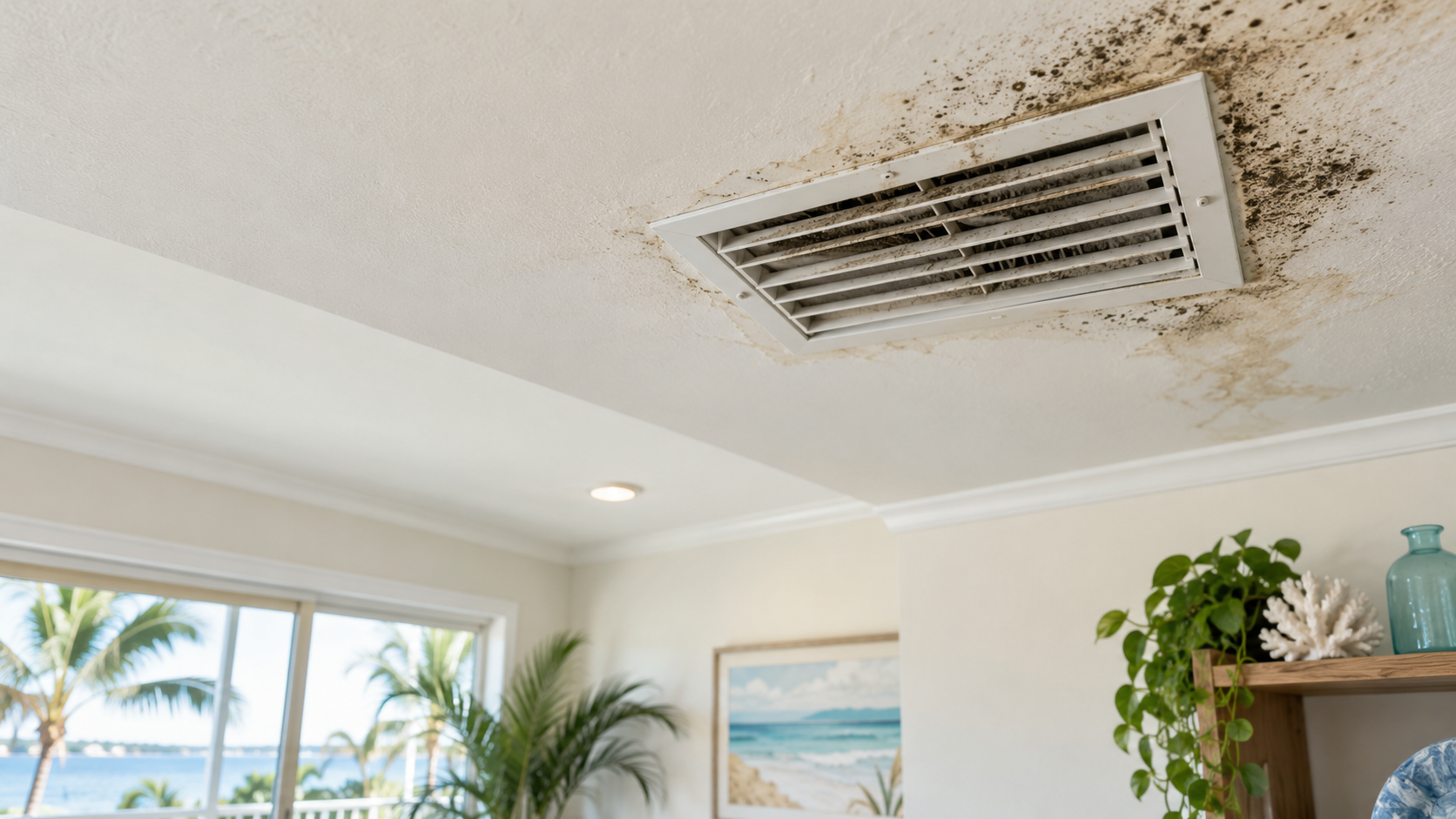
- Above ceilings. Roof leaks, plumbing lines, or HVAC-related moisture can create damp conditions above finished ceiling surfaces.
- Around windows and exterior walls. Damaged seals, condensation, or wind-driven rain can allow moisture to enter around openings.
- Inside or near HVAC systems. Condensation, clogged drain lines, and damp ductwork or surrounding materials can contribute to hidden moisture concerns.
- Inside cabinets and closets. Limited airflow combined with humidity or small leaks can create damp conditions in enclosed spaces.
A professional Moisture Mapping & Readings assessment can help identify areas with elevated moisture that may not be visible from the surface. If mold is suspected in a concealed area, Indoor Mold Testing may also provide additional information about indoor conditions.
In simple terms, hidden mold often develops in places where moisture is trapped but airflow and visibility are limited.
How Does a Mold Inspector Look for Hidden Mold?
A mold inspector looks for patterns that may point to moisture or concealed growth rather than relying only on what is visible. The goal is to identify areas where conditions could support mold and determine whether additional testing or investigation is appropriate.
A professional evaluation may include:
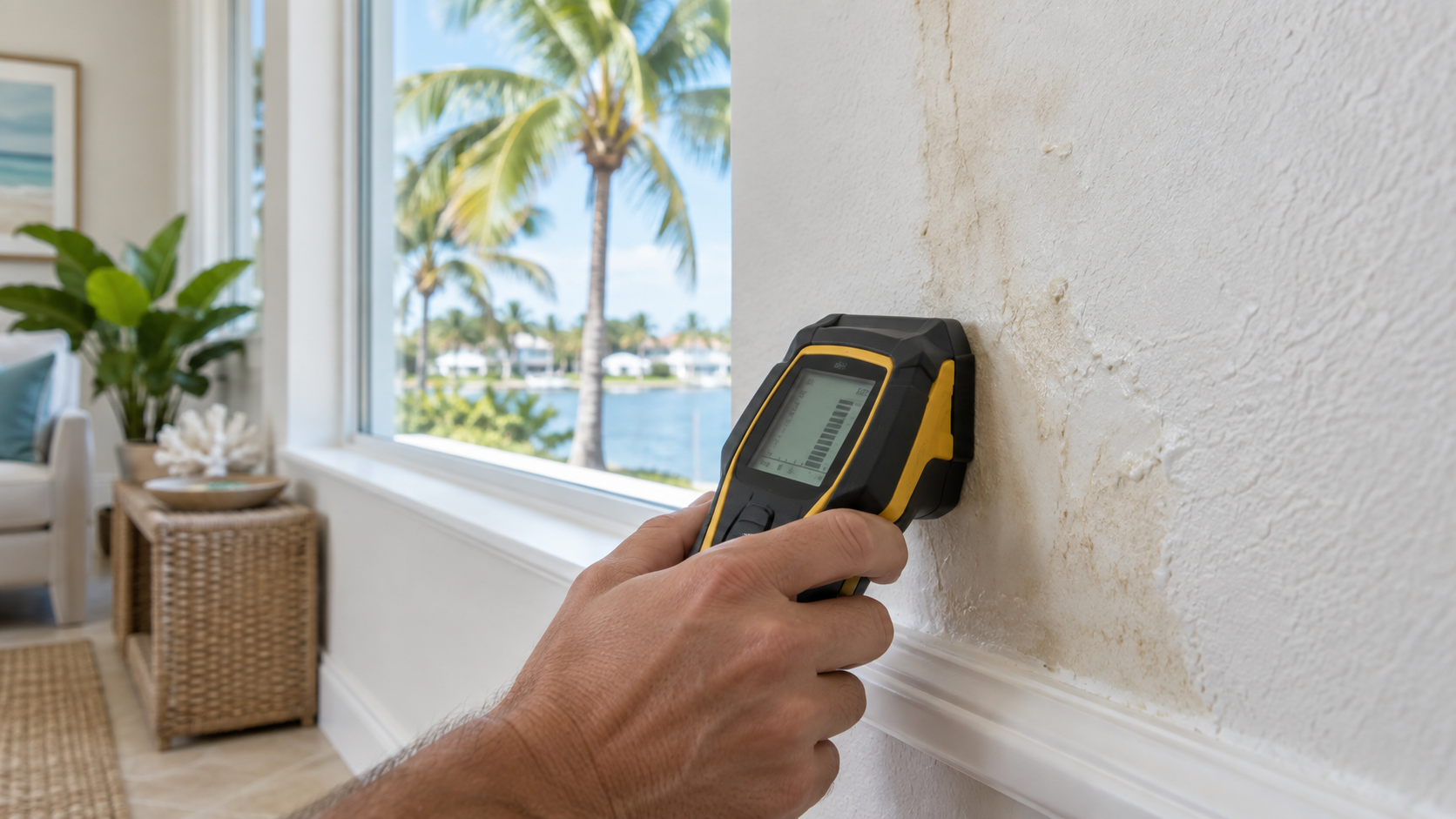
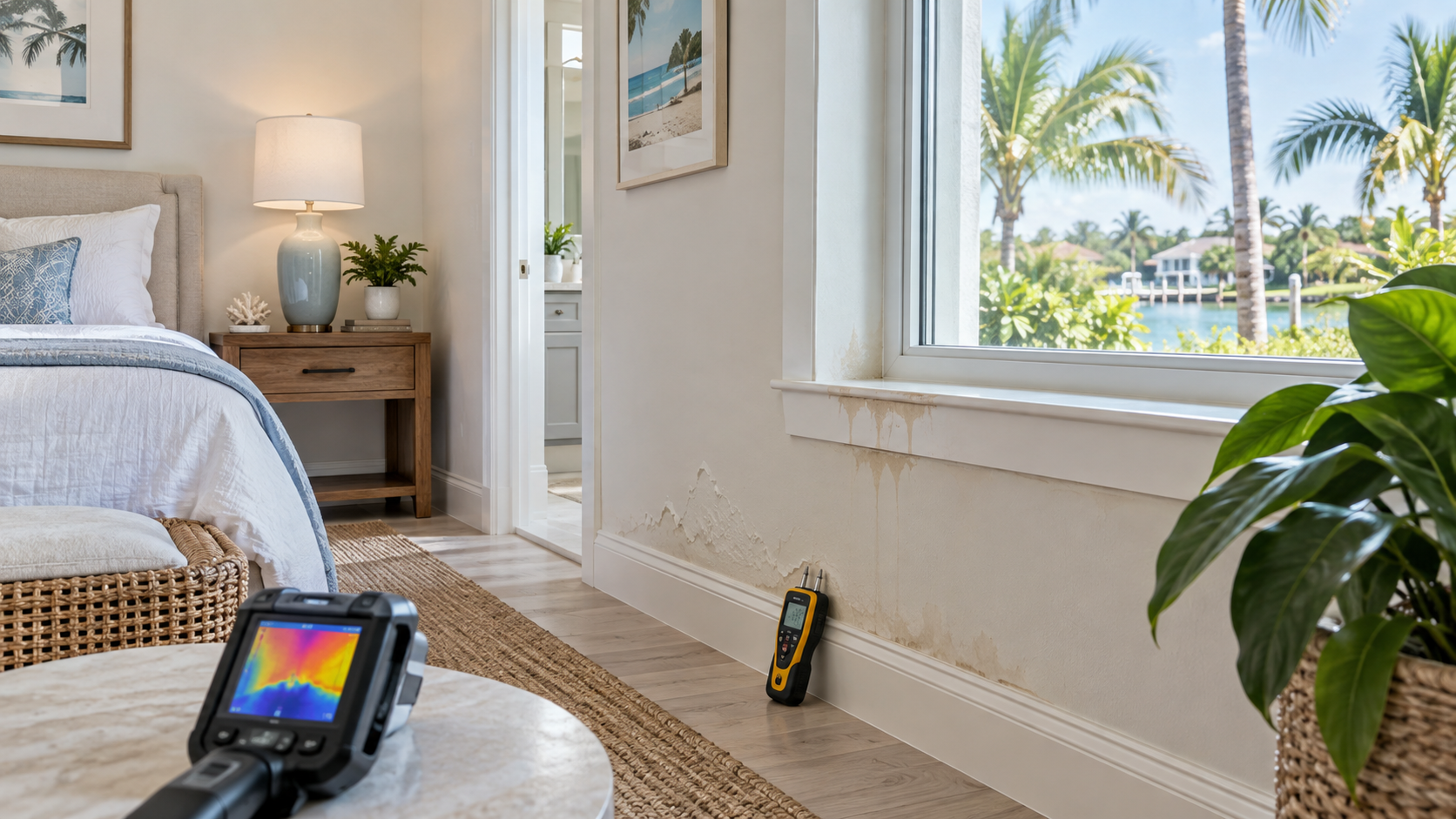
- Visual inspection. The inspector looks for staining, bubbling paint, damaged drywall, warped materials, and other signs of moisture.
- Moisture readings. Moisture meters can help identify materials with elevated moisture levels.
- Thermal imaging. Infrared cameras may reveal temperature differences that suggest an area needs closer evaluation.
- Review of past water damage. Previous leaks, flooding, roof problems, or plumbing issues can help narrow down likely problem areas.
- Evaluation of HVAC and ventilation areas. Condensation, drain-line issues, and enclosed spaces may contribute to hidden moisture concerns.
Testing when appropriate. Indoor Mold Testing may be recommended when the source or extent of the concern is unclear.
If moisture patterns are found, Moisture Mapping & Readings can help document where elevated moisture is present and how far the affected area may extend.
In simple terms, a mold inspector looks for moisture clues, property damage, and environmental patterns that can point to hidden mold even when growth is not visible.
Can a Musty Smell Come From Moisture Without Visible Mold?
Yes. A musty odor can sometimes be caused by damp materials or persistent moisture even when visible mold is not present. This is why the source of the odor should be evaluated rather than assuming mold is the only possible explanation.
Possible moisture-related causes include:
- Hidden plumbing leaks. Slow leaks behind walls or under cabinets can create damp conditions without obvious water damage.
- Roof or window intrusion. Rainwater may enter around roofing, flashing, windows, or exterior walls and remain concealed.
- HVAC condensation. Drainage problems or condensation around air-conditioning systems can contribute to damp materials and odors.
- High indoor humidity. South Florida’s humid climate can allow closets, bathrooms, and poorly ventilated areas to stay damp.
- Previously wet materials. Drywall, flooring, insulation, or cabinetry may retain moisture after a leak even when the surface appears dry.
A professional Moisture Mapping & Readings assessment can help identify elevated moisture levels and areas that may require further investigation. If mold is also suspected, Indoor Mold Testing may be considered based on the conditions found.
In simple terms, a musty smell may be a sign of hidden moisture even when mold is not yet visible.
When Should You Schedule Mold Testing for a Musty Odor?
Mold testing may be appropriate when a musty odor persists, the source is unclear, or there is reason to suspect hidden moisture or concealed mold growth. Testing is most useful when it is part of a broader property assessment rather than used by itself.
Consider professional testing when:
- The odor does not go away. A persistent musty smell may point to an unresolved moisture or mold concern.
- There has been recent water damage. Leaks, flooding, roof problems, or storm-related moisture can create hidden conditions that deserve closer evaluation.
- You smell mold but cannot find visible growth. Concealed mold may develop behind walls, beneath flooring, above ceilings, or near HVAC components.
- The odor is stronger in one room or area. A localized smell can help narrow down where additional inspection or sampling may be useful.
- Moisture readings show elevated levels. If hidden moisture is identified, Indoor Mold Testing may provide additional information about conditions in the affected area.
A professional Mold Assessment Services evaluation can help determine whether testing is appropriate and where samples should be collected based on the conditions found inside the property.
In simple terms, mold testing is most helpful when a musty odor persists and the source cannot be identified through visual inspection and moisture evaluation alone.
What Should You Do If You Smell Mold but Cannot Find the Source?
If you notice a persistent musty odor but cannot see where it is coming from, the next step is to investigate possible moisture sources and areas where mold could be hidden.
Start by considering:
- Recent leaks or water damage. Think about roof leaks, plumbing issues, appliance leaks, or storm-related water intrusion.
- Rooms where the odor is strongest. Bathrooms, closets, laundry areas, kitchens, and rooms near HVAC equipment may help narrow down the source.
- Signs of hidden moisture. Staining, bubbling paint, warped flooring, soft drywall, or condensation can point to areas that need closer evaluation.
- HVAC and ventilation systems. Musty odors that become stronger when the air conditioning runs may warrant evaluation of nearby moisture or condensation concerns.
- Areas behind finished surfaces. Walls, ceilings, flooring, and cabinetry can conceal moisture even when the room appears dry.
A professional Mold Assessment Services evaluation can help identify likely areas of concern, while Moisture Mapping & Readings can help locate elevated moisture that may not be visible from the surface.
In simple terms, if you smell mold but cannot find it, the goal is to locate the moisture source first and then determine whether mold testing or additional investigation is needed.
Can Hidden Mold Affect Indoor Air Quality?
Yes. Hidden mold can contribute to indoor air quality concerns when spores or other particles become airborne, even if the growth itself is behind walls, beneath flooring, or in another concealed area.
Signs that may point to an indoor air quality concern include:
- A musty odor that becomes stronger when the HVAC system runs.
- Recurring odors in one room or area of the property.
- Past water damage near vents, ceilings, or air-conditioning equipment.
- Moisture problems around air handlers, drain lines, or ductwork.
- Mold concerns that are not visible but continue to produce odors.
An Air Quality Testing evaluation may help provide additional information about airborne conditions inside the property. When mold is suspected, Indoor Mold Testing may also be appropriate depending on the findings from the assessment.
In simple terms, hidden mold can affect the indoor environment even when you cannot see the source, which is why air quality concerns should be evaluated together with moisture and mold conditions.
Frequently Asked Questions About Musty Smells and Hidden Mold
Musty odors can be frustrating because the source is not always obvious. These common questions can help homeowners better understand when hidden moisture, mold growth, or indoor air quality concerns may deserve professional evaluation.
Can you smell mold before you can see it?
Yes. Mold or damp materials can sometimes produce a musty odor before visible growth appears. This can happen when the source is behind walls, beneath flooring, above ceilings, or near HVAC components.
Does a musty smell always mean mold?
No. A musty odor can also come from hidden moisture, damp building materials, poor ventilation, or other indoor environmental conditions. A professional assessment can help determine whether mold, moisture, or another source may be involved.
Where does hidden mold usually grow?
Hidden mold commonly develops behind drywall, beneath flooring, above ceilings, around windows, inside cabinets, and near HVAC systems where moisture may remain trapped.
Can thermal imaging find hidden mold?
Thermal imaging does not detect mold directly. It can help identify temperature patterns that may suggest hidden moisture, which can then be evaluated more closely with moisture readings or additional inspection.
Should I get mold testing if I only smell mold?
Testing may be appropriate when the odor persists and the source cannot be identified through inspection or moisture evaluation. Indoor Mold Testing can provide additional information about conditions inside the property when mold is suspected.
Can a musty smell come from the air conditioning system?
Yes. Condensation, clogged drain lines, damp materials, or moisture near HVAC equipment can contribute to musty odors. If the smell becomes stronger when the system runs, the area may warrant closer evaluation.
What should I do if the musty smell keeps coming back?
Recurring odors can indicate that the underlying moisture condition has not been resolved. Moisture Mapping & Readings can help identify areas with elevated moisture that may require further investigation.
When should I call a mold inspector?
Consider scheduling a professional Mold Assessment Services evaluation when a musty odor persists, follows water damage, is concentrated in one area, or is accompanied by staining, damp materials, or other signs of hidden moisture.
A Musty Smell Can Be a Sign to Look Deeper
A persistent musty odor without visible mold can still point to hidden moisture, damp building materials, or mold growth in areas that are difficult to see. The most important step is identifying the source of the moisture and understanding whether the odor is connected to a broader issue inside the property.
A professional assessment can help bring together visible conditions, moisture findings, water-damage history, and testing results so you have a clearer understanding of what may be happening and what next steps may be appropriate.
Schedule a Mold Assessment in South Florida
Holistic Environmental Solutions provides professional mold assessment, indoor mold testing, air quality testing, and moisture mapping services throughout Miami-Dade, Broward, Palm Beach, and Monroe counties. If you are dealing with a persistent musty smell, hidden moisture, or concerns about mold that you cannot see, our team can help evaluate the property and determine whether additional testing or investigation may be needed.
Call (786) 580-9374 to speak with our team, or schedule through our online contact form to receive 10% off your inspection. We’ll help you get a clearer picture of the conditions inside your property so you can make an informed decision about the next steps.
About Holistic Environmental Solutions
Holistic Environmental Solutions provides independent mold assessment and environmental testing services throughout South Florida, including Mold Assessment Services, Indoor Mold Testing, Air Quality Testing, Moisture Mapping & Readings, Remediation Protocols, and Post-Remediation Verification. Our team serves Miami-Dade, Broward, Palm Beach, and Monroe counties, helping property owners better understand mold, moisture, and indoor air quality concerns with clear, objective findings.
Florida Licensed Mold-Related Services Assessor #MRSA5496
Recent Posts