What Is Airborne Mold Testing, and When Does Your Home Need It?
What Is Airborne Mold Testing?
Airborne mold testing collects a sample of indoor air to help identify mold spores present when the sample is taken. It can be one part of a broader mold inspection when a homeowner notices a persistent musty odor, has experienced water damage, or suspects a problem that is not visible. The results need context because mold spores also occur naturally outdoors, and a sample does not reveal every condition inside a home.
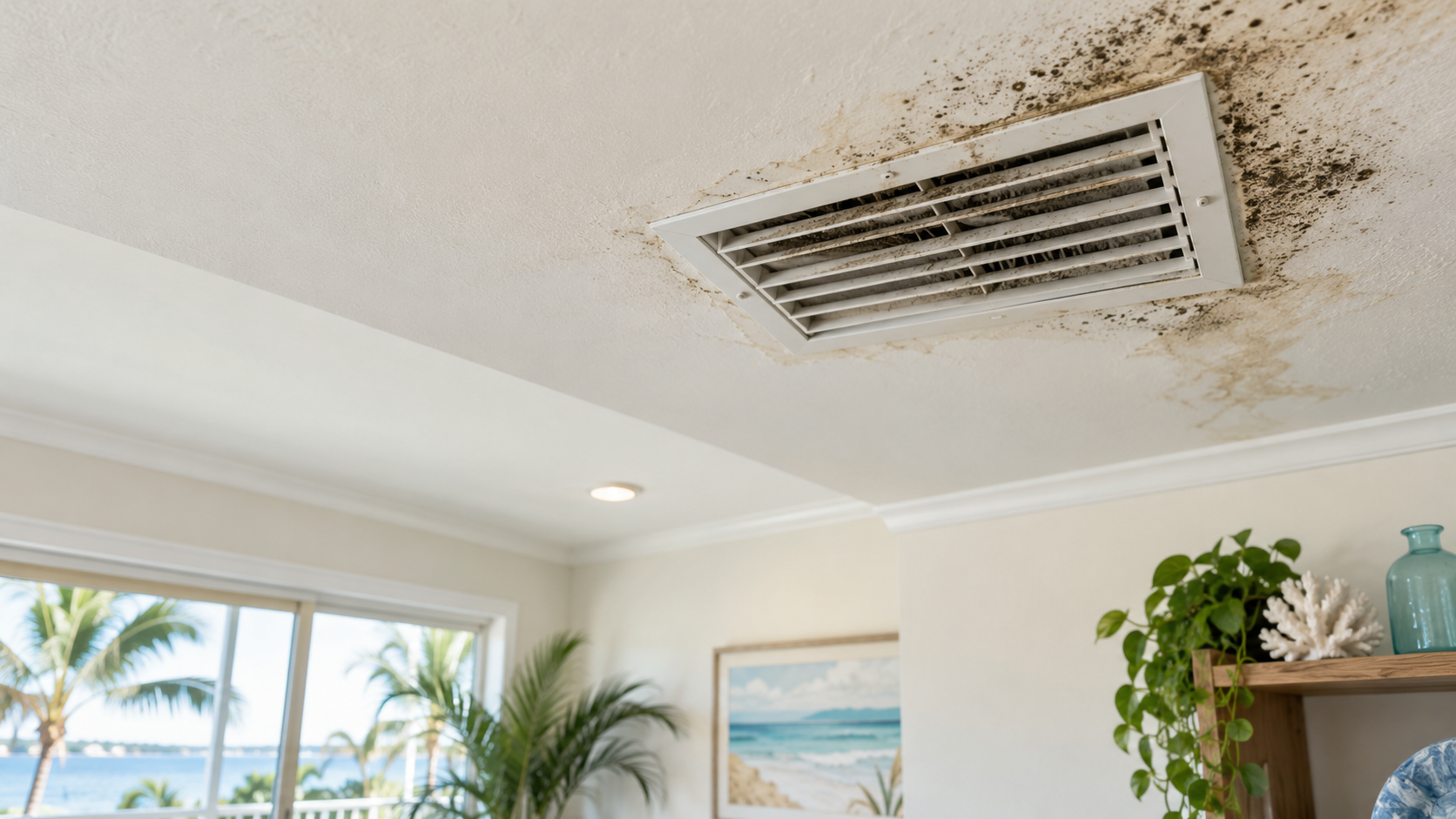
For South Florida homeowners, the most useful question is often why mold growth might be occurring, rather than whether a single air sample detects spores. An inspector may need to look for leaks, damp materials, or areas with elevated moisture before deciding whether sampling would help answer a specific concern. If mold growth is already visible, testing may not be necessary to establish that a moisture problem needs attention.
When might an inspector recommend air sampling?
- A musty odor with no visible source: Sampling may provide additional information alongside an inspection of possible moisture sources.
- A history of leaks or water damage: The inspector can assess affected areas and decide whether an air sample would help answer a specific question.
- Concerns about indoor conditions: An inspection can put any sampling results in context with the home’s moisture history and current condition.
- A need to document findings: An assessor may recommend a testing approach based on the purpose of the assessment.
Air sampling is only one possible tool; it cannot diagnose a health condition or establish that a home is safe based on a single result. Next, we’ll look at how airborne mold testing is performed and what its results can and cannot tell you.
How Is Airborne Mold Testing Performed?
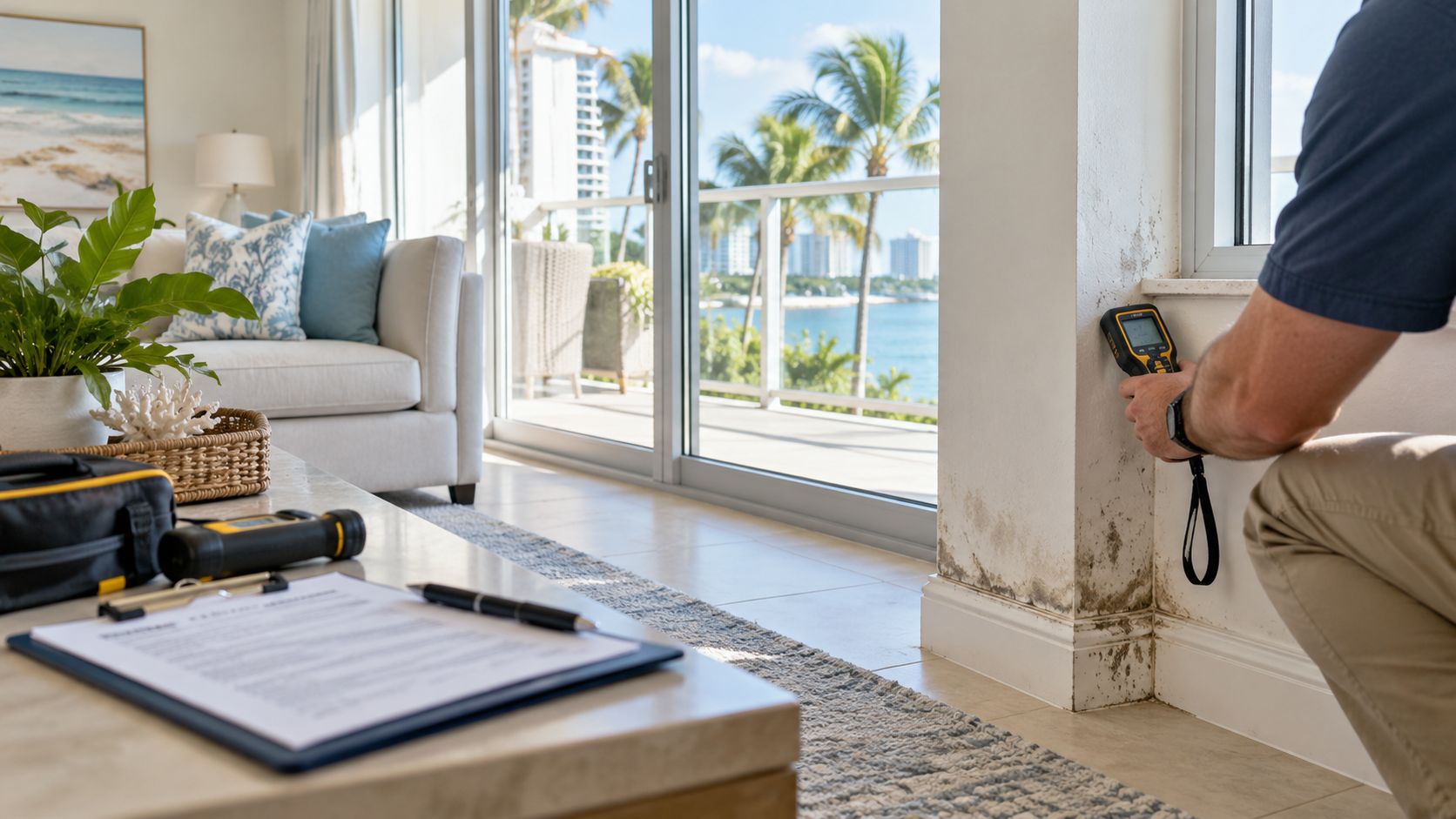
An inspector first reviews the concern that prompted the visit, such as a musty odor, a past leak, or a room that repeatedly feels damp. They may examine the affected area and check for moisture before deciding whether air sampling would provide useful information. This matters because an air sample alone cannot locate a leak or show the full extent of mold growth behind a wall.
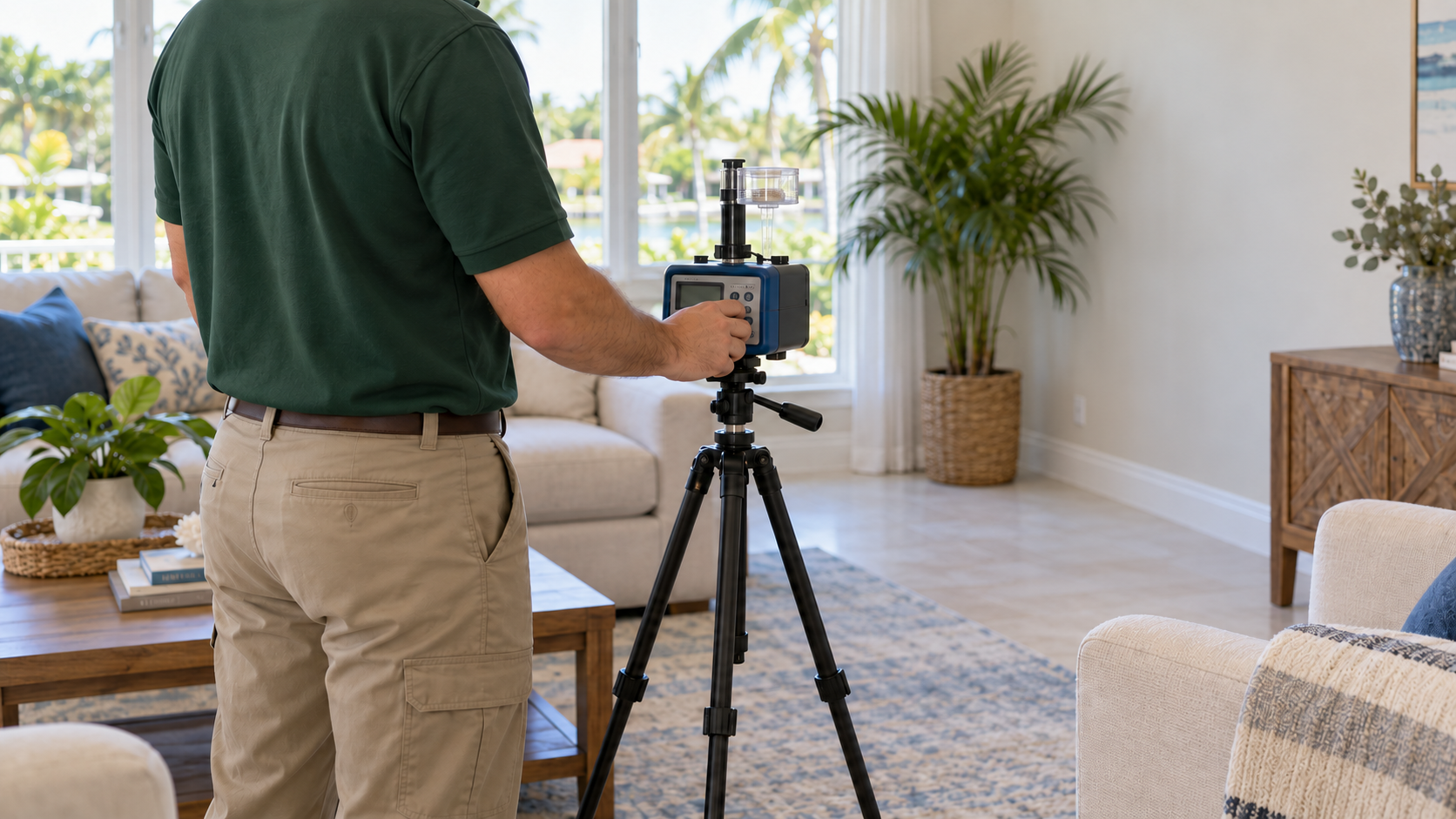
When sampling is appropriate, the inspector uses equipment to collect air from selected indoor locations. An outdoor sample may also be collected to provide context for the indoor findings. The samples are then analyzed, and the results are considered alongside what the inspector observed during the mold assessment.
What may happen during the appointment?
- Discussion of the problem: The homeowner explains when the odor or moisture concern began and whether there has been water damage.
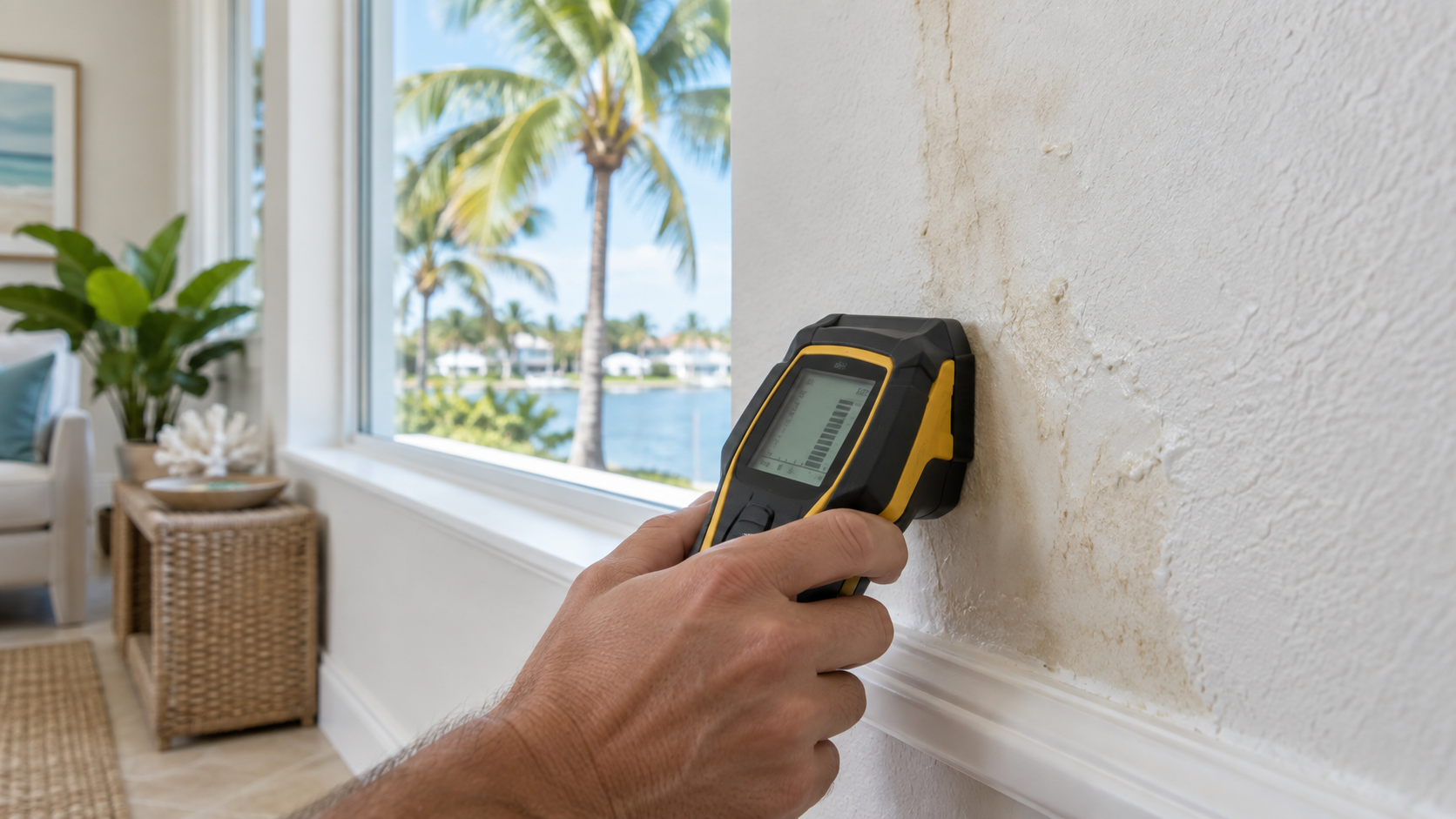
- Visual and moisture evaluation: The inspector looks for conditions that could support mold growth and may recommend moisture mapping when the source or extent of dampness is unclear.
- Targeted air sampling: Samples are collected from locations selected to answer a specific question about the indoor environment.
- Review of the findings: The inspector explains what the results show, what they cannot establish, and whether further investigation is warranted.
The goal is to understand the conditions in the home and give the homeowner a useful next step. That requires looking at the sampling results together with the inspection findings, rather than treating a number on a report as a diagnosis. Next, we’ll break down what an airborne mold test can and cannot tell you.
What Can Airborne Mold Test Results Tell You?
Airborne mold test results can identify the types and amounts of spores found in the air at the time and place sampled. An inspector may compare indoor and outdoor samples and consider whether one room’s results differ from another’s. Those findings can help guide further investigation, but they need to be interpreted alongside the home’s moisture history and the conditions observed during the inspection.
A result cannot tell you exactly where hidden mold is growing, how long it has been there, or whether someone’s symptoms were caused by the home. There is also no federal standard that defines a universally “safe” indoor mold spore count. If you receive a report full of unfamiliar terms and numbers, our guide to reading mold test results explains what to discuss with your inspector.
What should you ask when reviewing the results?
- Where were samples collected? The location of each sample matters when interpreting differences between rooms.
- What was happening in the home that day? Open windows, ventilation, recent cleaning, or activity in a room may affect a short-term sample.
- Were signs of moisture found? A leak or damp building material may require attention regardless of the air sample result.
- Do the findings call for another step? Ask whether the inspector recommends further investigation, a moisture evaluation, or action on a known source of water damage.
The most useful report connects the test results to what is actually happening in the property and explains the recommended next step in plain language. Next, we’ll look at when airborne mold testing may be worth considering—and when an inspection without air sampling may be enough.
When Is Airborne Mold Testing Worth Considering?
Airborne mold testing may be useful when there is a specific question that a visual inspection cannot answer on its own. For example, a homeowner may notice a persistent musty odor after a leak but see no obvious growth. An inspector can assess the moisture conditions first and then decide whether air sampling would add useful information.
Testing is not automatically needed for every mold concern. If mold is visibly growing, the priority is usually to address the moisture source and the affected materials rather than collect a sample simply to confirm that mold exists. The right approach depends on what is happening in the home and what the homeowner needs to learn from the assessment.
Situations to discuss with an inspector
- A musty smell without visible growth: Ask whether an inspection can identify a damp area or whether targeted sampling would help.
- Water damage with an unclear extent: A moisture evaluation can help identify areas that need closer attention before deciding on air sampling.
- Questions after a previous mold problem: Explain what was found, what work was completed, and what concern remains so the inspector can recommend an appropriate assessment.
- A specific room of concern: If an odor or moisture issue seems limited to one part of the home, describe when and where you notice it.
Homeowners in Davie who are unsure which type of assessment they need can start with mold testing in Davie and explain the concern before scheduling. An inspector can then recommend an approach based on the property, rather than assuming every home needs the same set of samples. Next, we’ll compare air sampling with surface sampling and explain why they answer different questions.
Air Sampling vs. Surface Sampling: What Is the Difference?
Air sampling collects spores from the air in a selected location during a short period of time. Surface sampling collects material from a particular spot, such as a stain or suspected growth on a building material. The two methods answer different questions, so an inspector should choose a method based on what needs to be investigated.
Neither method replaces a careful look at the property and its moisture conditions. A surface sample does not describe the air throughout a room, while an air sample cannot pinpoint growth hidden behind a wall. When there is a leak or persistent dampness, finding and addressing that moisture source remains essential regardless of which samples are collected.
Which type of sample might be useful?
- Air sample: May help investigate a specific concern about airborne spores when the source is not apparent.
- Surface sample: May help identify material on a particular surface when that information would affect the next step.
- Both types: May be considered when the inspector has separate questions about a surface and the surrounding air.
- Neither: May be needed when visible mold and a clear moisture problem already show what must be addressed.
If you are unsure what to request, describe the problem rather than choosing a test yourself. A professional mold assessment can start with the property’s history and visible conditions, then determine whether sampling would provide useful information. Next, we’ll cover what to do after receiving airborne mold test results.
What Should You Do After Receiving Airborne Mold Test Results?
Start by reviewing the report with the person who assessed your home. Ask them to explain where each sample was collected, what they observed during the inspection, and how the results relate to any moisture concerns. A laboratory result is most useful when it helps you understand what to investigate or address next.
If the assessment identifies a leak or damp material, addressing that moisture source is essential. If it identifies mold growth that requires professional removal, ask for a clear plan describing the affected area and the work to be performed. After that work is complete, an independent post-remediation verification may be appropriate to assess whether the specified cleanup goals were met.
Questions to ask before deciding on the next step
- What do the results mean in the context of my home? Ask how the samples relate to the inspector’s visual and moisture findings.
- Was a moisture source identified? Find out whether a leak, condensation, or damp material needs further investigation.
- Is additional assessment needed? Ask what question another inspection or sample would answer before agreeing to more testing.
- Is remediation recommended? If so, ask which areas are affected and whether a written mold remediation protocol would help define the work.
- How will completed work be evaluated? Discuss whether post-remediation verification is appropriate for the project.
The next step should follow the conditions found in your property, rather than a single number in the report. Keep a copy of the findings and any recommended scope of work so you can refer to them when speaking with a remediation company. Next, we’ll answer common homeowner questions about airborne mold testing, including whether a normal result rules out hidden mold.
Frequently Asked Questions About Airborne Mold Testing
Homeowners often want a simple yes or no answer from an air test, but the findings require context. A sample reflects the air collected in a particular place at a particular time. An inspector should explain the results alongside any visible growth, water damage, and moisture conditions found in the home.
The questions below can help you decide what to discuss before testing and what to ask when you receive a report. They also clarify why an air sample is sometimes useful but is not the only way to assess a mold concern. If you have already noticed a musty odor or signs of dampness, share those details when scheduling an indoor mold testing assessment.
Can a normal air sample rule out hidden mold?
No. A short sample may not capture spores from growth concealed in a wall, floor, or other enclosed area. An inspector may need to investigate the moisture source and affected materials even when an air result does not raise a clear concern.
Do I need air testing if I can already see mold?
Usually, visible growth and a moisture problem are enough to show that action is needed. An inspector can explain whether sampling would answer an additional question in your particular situation.
Can an air test tell me whether my home is safe?
No single spore count can establish that. There are no federal limits for indoor mold spores, and test results cannot predict an individual’s health response.
Will air testing find the source of a musty smell?
It may provide a clue, but it cannot identify the exact source by itself. A visual inspection and investigation of leaks or damp areas are still needed.
Should I use a home mold test kit instead?
A kit may produce a result without explaining what is happening in the property or what to do next. Our guide to home mold test kits versus professional mold testing explains the practical differences.
The value of airborne mold testing depends on the question it is meant to answer and how the results are interpreted. For homeowners in South Florida, the most useful starting point is a clear account of the odor, leak, or other concern so the assessment can focus on the right areas. Next, we’ll close with how Holistic Environmental Solutions can help you choose an appropriate next step.
Get Answers About Mold Concerns in Your South Florida Home
Airborne mold testing can provide useful information when it is chosen to answer a specific question. It works best as part of an assessment that also considers visible conditions, past water damage, and possible moisture sources. If you are dealing with a musty odor or an unexplained damp area, you do not need to decide which samples to request before speaking with an inspector.
Holistic Environmental Solutions provides mold inspection, testing, and moisture evaluation services across Miami-Dade, Broward, Palm Beach, and Monroe counties. Whether you are concerned about one room or a larger water damage issue, the first step is to explain what you have noticed and when it began. The team can discuss an assessment suited to your property and explain whether air sampling would add useful information.
Tell us what is happening in your home
- Describe the concern: Share any odors, visible spots, leaks, or areas that repeatedly feel damp.
- Mention past water damage: Include when it happened and whether repairs or cleanup were completed.
- Identify the affected area: Let the team know if the concern involves one room, an HVAC area, or several parts of the property.
- Ask about the next step: Discuss whether an inspection, moisture evaluation, or targeted sampling makes sense for your situation.
If you’re concerned about a musty odor, past water damage, or possible airborne mold, Holistic Environmental Solutions can assess your property and explain whether air sampling would be useful. Call (786) 580-9374 or use the contact form below to discuss your concerns. Receive 10% off your inspection when you book through the website.
About Holistic Environmental Solutions
Holistic Environmental Solutions provides independent mold assessment and environmental testing services throughout South Florida, including Mold Assessment Services, Indoor Mold Testing, Air Quality Testing, Moisture Mapping & Readings, Remediation Protocols, and Post-Remediation Verification. Our team serves Miami-Dade, Broward, Palm Beach, and Monroe counties, helping property owners better understand mold, moisture, and indoor air quality concerns with clear, objective findings.
Florida Licensed Mold-Related Services Assessor #MRSA5496
Recent Posts