What Is a Mold Remediation Protocol and When Do You Need One?
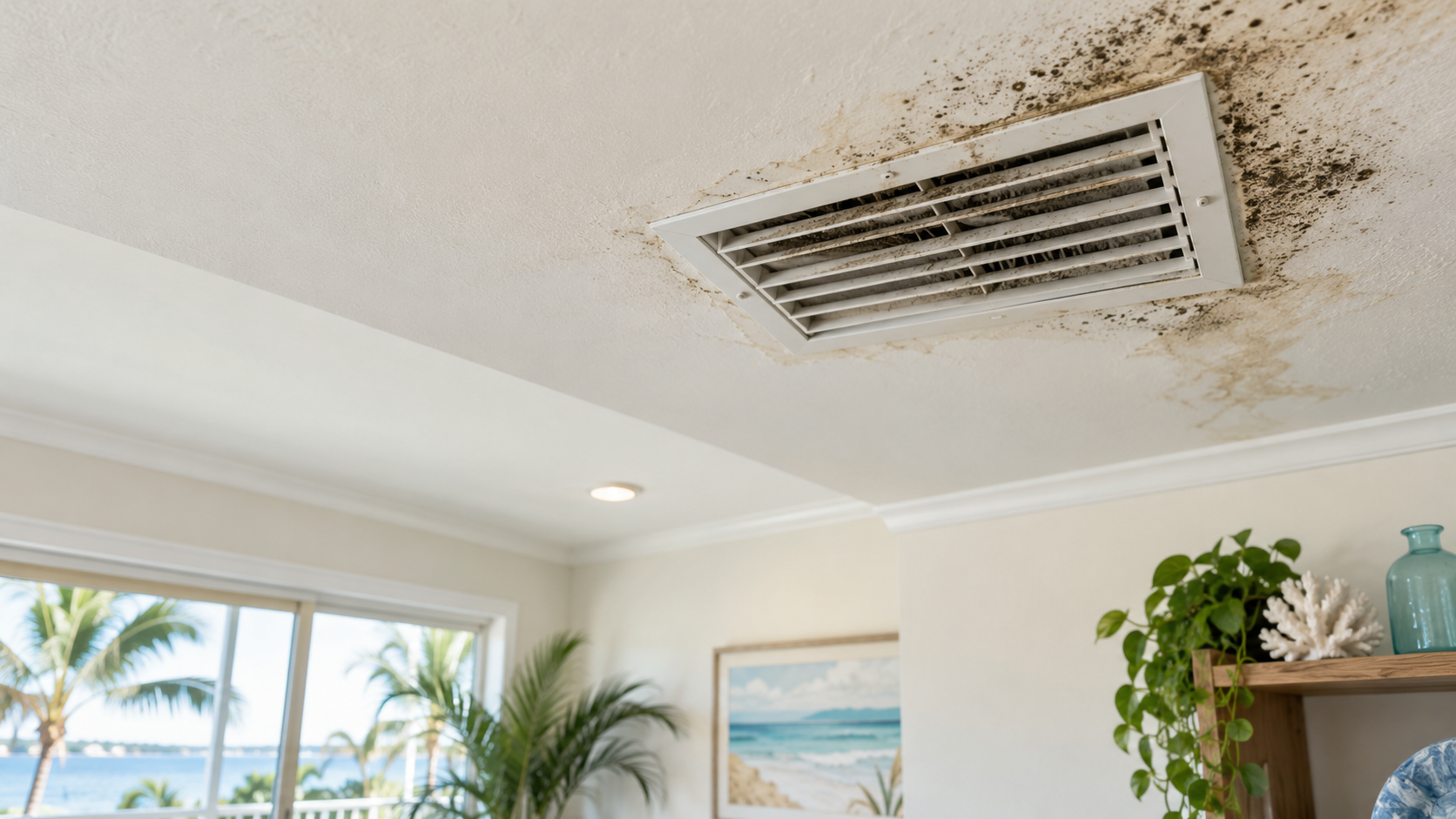
A mold remediation protocol is a written plan that explains how a mold problem should be addressed, including which areas are affected, what materials may need to be removed or treated, and what procedures should be followed during remediation. It helps give the remediation company a clear scope of work and helps the property owner understand what the cleanup process should involve.
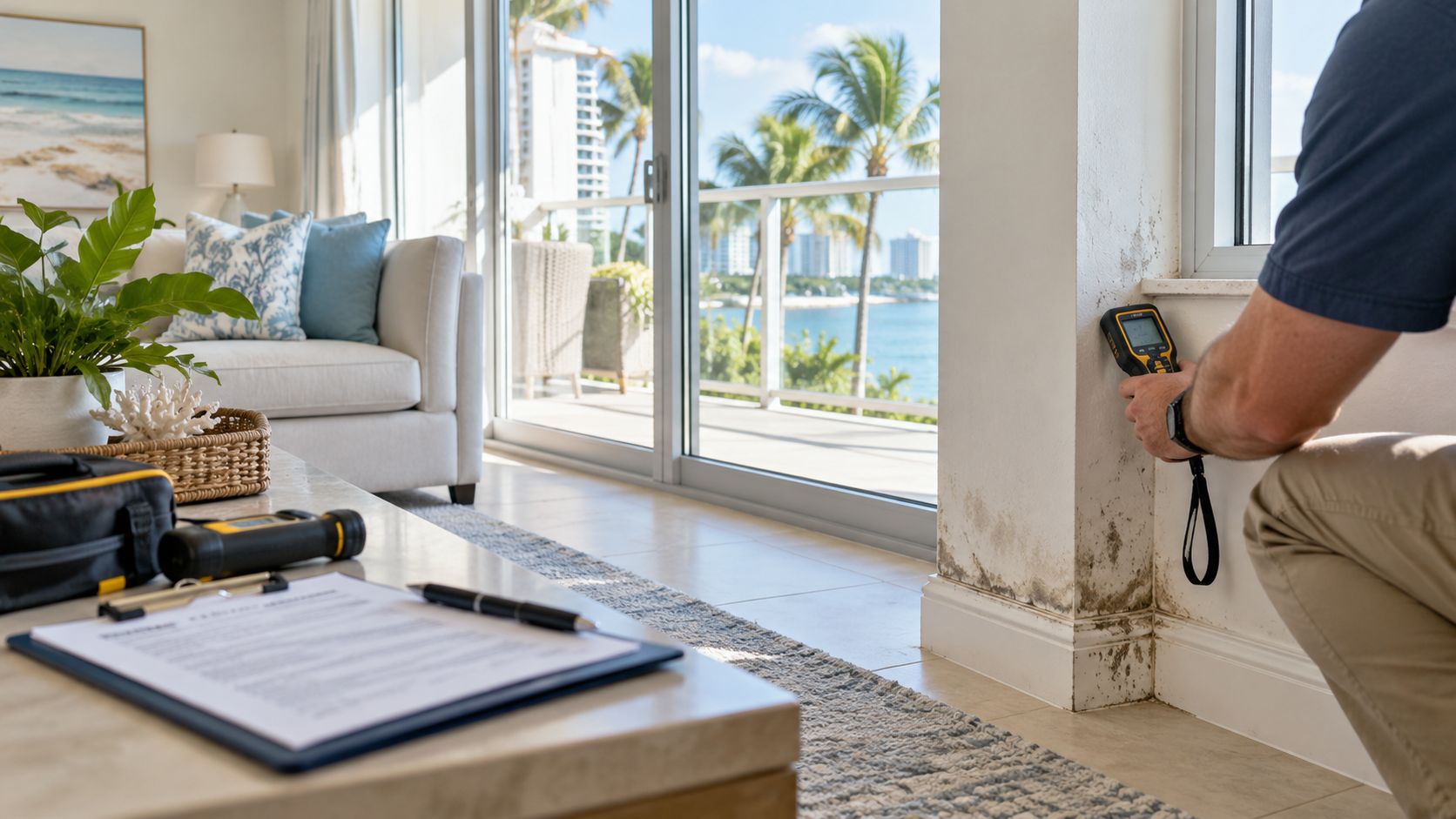
The protocol is typically created after a professional Mold Assessment Services evaluation identifies the extent of the mold and moisture concerns. Because the assessor is separate from the company performing the remediation, the recommendations can remain focused on the conditions found at the property rather than on the cleanup work itself.
For property owners throughout South Florida, including Miami, Fort Lauderdale, Weston, Boca Raton, Delray Beach, and West Palm Beach, a remediation protocol can be especially helpful after leaks, water intrusion, storm damage, or confirmed mold growth. It also provides the foundation for Post-Remediation Verification once the cleanup is complete.
In this guide, we’ll explain what a mold remediation protocol contains, who prepares it, when you may need one, how remediation companies use it, and why independent assessment and final verification are important parts of the process.
What Does a Mold Remediation Protocol Include?
A mold remediation protocol is more than a general cleanup recommendation. It is a detailed document that outlines the affected areas, the materials involved, and the procedures that should be followed during remediation.
Common Elements in a Remediation Protocol
- The rooms or areas where mold-related concerns were identified
- Materials that may need to be removed, cleaned, or otherwise addressed
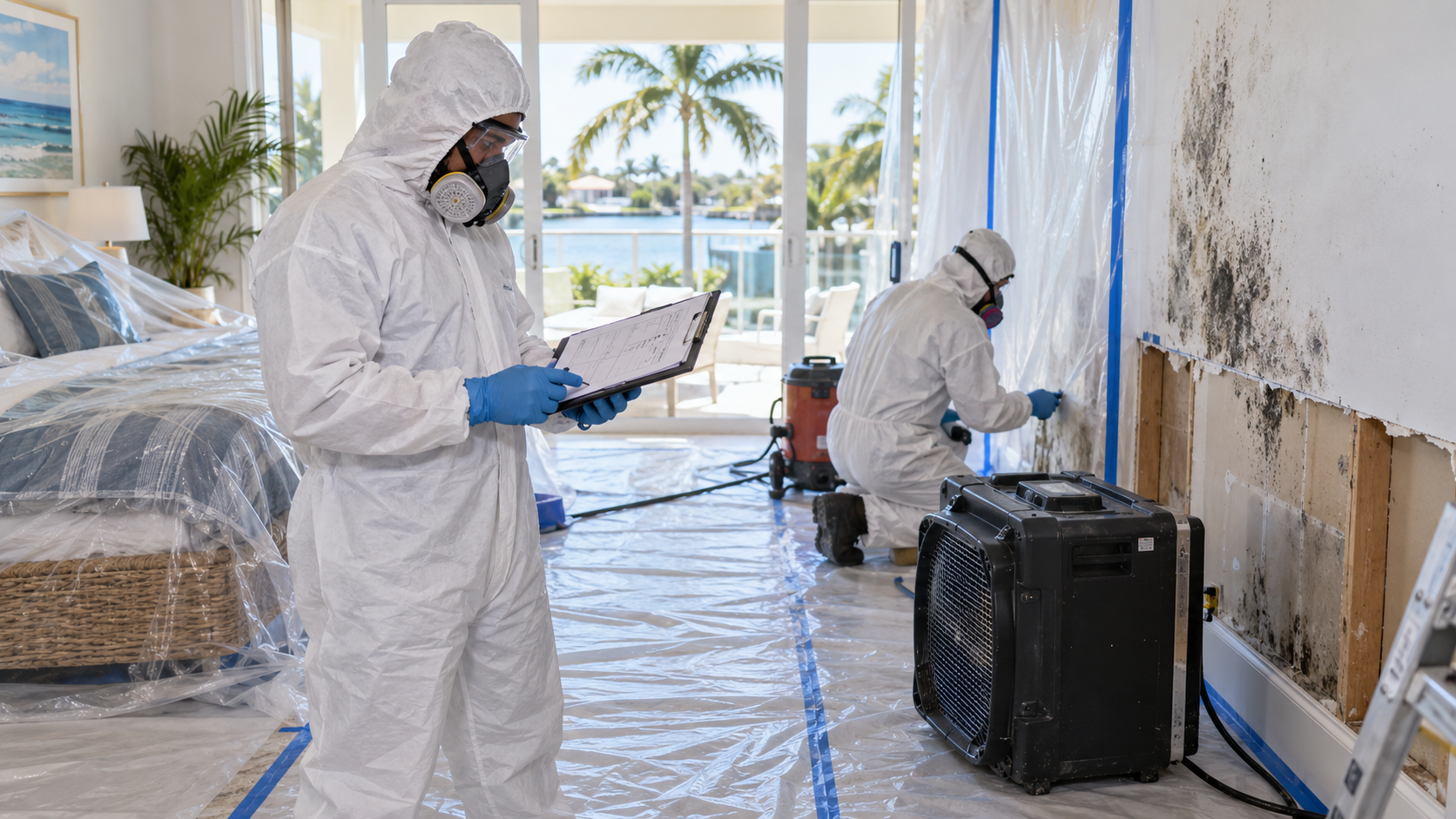
- Containment recommendations to help limit the spread of dust or mold spores
- Guidance for handling affected drywall, insulation, flooring, or other building materials
- Cleaning and remediation procedures based on the conditions found
- Moisture-related concerns that should be corrected before the project is considered complete
- Clearance criteria that may later be reviewed during Post-Remediation Verification
The exact scope can vary from one property to another because the protocol should be based on the findings from the professional assessment rather than on a one-size-fits-all checklist.
A well-written protocol gives the remediation company a clear roadmap for the work while also giving the property owner documentation of what is expected during the project.
Who Writes a Mold Remediation Protocol?
A mold remediation protocol is typically prepared by the professional responsible for assessing the property and documenting the mold-related conditions that were found. The goal is to create an independent plan based on the assessment findings before remediation work begins.
Why Independent Assessment Matters
- The assessor evaluates the property and documents the areas of concern.
- The protocol is based on observed conditions, moisture findings, and testing results when applicable.
- The remediation company can then use that document as the scope of work for the cleanup.
- Keeping assessment and remediation separate can help reduce conflicts of interest and keep the recommendations focused on the actual conditions found.
- A professional Mold Assessment Services evaluation can provide the information needed to develop a remediation protocol that is specific to the property.
The person writing the protocol should understand how to connect the mold findings, moisture conditions, affected materials, and required remediation steps into one clear plan.
In simple terms, the assessor identifies the problem and writes the protocol, while the remediation company uses that protocol to perform the cleanup.
When Do You Need a Mold Remediation Protocol?
A mold remediation protocol is most useful when mold conditions have been confirmed and a clear, documented scope of work is needed before cleanup begins. It helps define what should be addressed, how the work should be approached, and what criteria should be used to evaluate the completed remediation.
Situations Where a Protocol May Be Recommended
- Mold growth affects more than a small, isolated area.
- Water damage or hidden moisture has affected drywall, flooring, insulation, or other building materials.
- A professional assessment identifies multiple areas that require remediation.
- The property owner needs a written scope of work before hiring a remediation company.
- The remediation company needs clear instructions about containment, removal, cleaning, and affected materials.
- The project will later require Post-Remediation Verification to determine whether the established clearance criteria have been met.
A remediation protocol can also be helpful when several contractors are providing estimates because each company can review the same documented scope instead of making assumptions about what the project should include.
In simple terms, you may need a mold remediation protocol when the mold problem requires professional cleanup and you want a clear plan in place before the remediation work starts.
How Does a Remediation Company Use the Protocol?
A remediation company uses the mold remediation protocol as a documented scope of work for the cleanup. Instead of deciding the project requirements from scratch, the contractor can follow the areas, materials, procedures, and clearance expectations outlined by the assessor.
How the Protocol Guides the Remediation Work
- It identifies which rooms or areas require remediation.
- It outlines which building materials may need to be removed, cleaned, or treated.
- It provides containment and work-area recommendations.
- It gives the contractor a clearer understanding of the expected remediation scope.
- It helps reduce confusion between the property owner, assessor, and remediation company.
- It establishes criteria that can later be reviewed during Post-Remediation Verification.
Using a written protocol can also make it easier for property owners to compare remediation proposals because contractors are working from the same documented plan.
In simple terms, the protocol gives the remediation company a clear roadmap for what needs to be done, while the assessor remains separate from the cleanup itself.
Why Should the Mold Assessor and Remediation Company Be Separate?
Keeping the mold assessment and remediation work separate helps preserve the independence of the evaluation. The assessor’s role is to document the conditions found, define the scope of work, and establish the criteria that should be met, while the remediation company’s role is to carry out the cleanup.
Why Separation Can Be Beneficial
- The assessment is focused on documenting the property conditions rather than selling cleanup services.
- The Mold Assessment Services findings can be used to create a protocol based on the actual areas of concern.
- The remediation company receives a clear scope of work instead of deciding what should be removed or treated on its own.
- The property owner has separate documentation for the assessment and the remediation work.
- The completed project can later be evaluated through Post-Remediation Verification without relying only on the remediation contractor’s own assessment of the work.
This separation creates a clearer process from the initial evaluation through cleanup and final verification.
In simple terms, the assessor identifies and documents the problem, the remediation company performs the work, and the final verification checks whether the established criteria have been met.
How Does a Mold Remediation Protocol Connect to Post-Remediation Verification?
A mold remediation protocol helps establish the expectations for the cleanup, while post-remediation verification evaluates whether the completed work meets those expectations. The two documents are connected because the verification process can use the protocol as a reference point when reviewing the remediated area.
What the Verification Process May Review
- Whether the areas identified in the protocol were properly addressed
- Whether affected materials were removed, cleaned, or treated as required
- Whether moisture conditions have been corrected
- Whether visible mold, dust, or debris remains
- Whether air or surface sampling is needed based on the established clearance criteria
- Whether the treated area is ready for repairs, reconstruction, or normal use
A professional Post-Remediation Verification evaluation helps determine whether the remediation goals outlined in the protocol have been met or whether additional work may still be needed.
In simple terms, the remediation protocol explains what should be done, and post-remediation verification checks whether the work was completed according to that plan.
What Happens If the Remediation Company Finds Additional Mold?
Sometimes a remediation contractor may uncover additional affected materials after opening walls, removing flooring, or accessing areas that were not visible during the original assessment. When that happens, the scope of work may need to be reviewed before the project continues.
How Additional Findings May Be Handled
- The newly discovered area should be documented.
- The assessor may need to evaluate the additional conditions.
- The existing protocol may need to be updated or expanded.
- Moisture conditions should be reviewed to determine whether the new area is connected to the original source.
- The remediation company should avoid making major scope changes without clear documentation when additional assessment is appropriate.
- A revised Mold Assessment Services evaluation can help clarify whether the newly discovered area changes the remediation plan.
If the additional findings affect the original scope, updating the protocol helps keep the property owner, assessor, and remediation company working from the same documented plan.
In simple terms, if more mold is discovered during remediation, the protocol may need to be updated so the new conditions are properly evaluated and included in the scope of work.
What Should a Property Owner Review Before Remediation Begins?
Before mold remediation starts, the property owner should understand the scope of work, the areas being addressed, and how the project will be evaluated once cleanup is complete. Reviewing the protocol in advance can help reduce confusion and make it easier to compare contractor proposals.
Key Items to Review Before Work Starts
- Which rooms or materials are included in the remediation scope
- What containment or protective measures are recommended
- Which materials may need to be removed, cleaned, or treated
- Whether moisture sources have been identified and should be corrected
- What documentation the remediation company should provide
- What clearance criteria will be used during Post-Remediation Verification
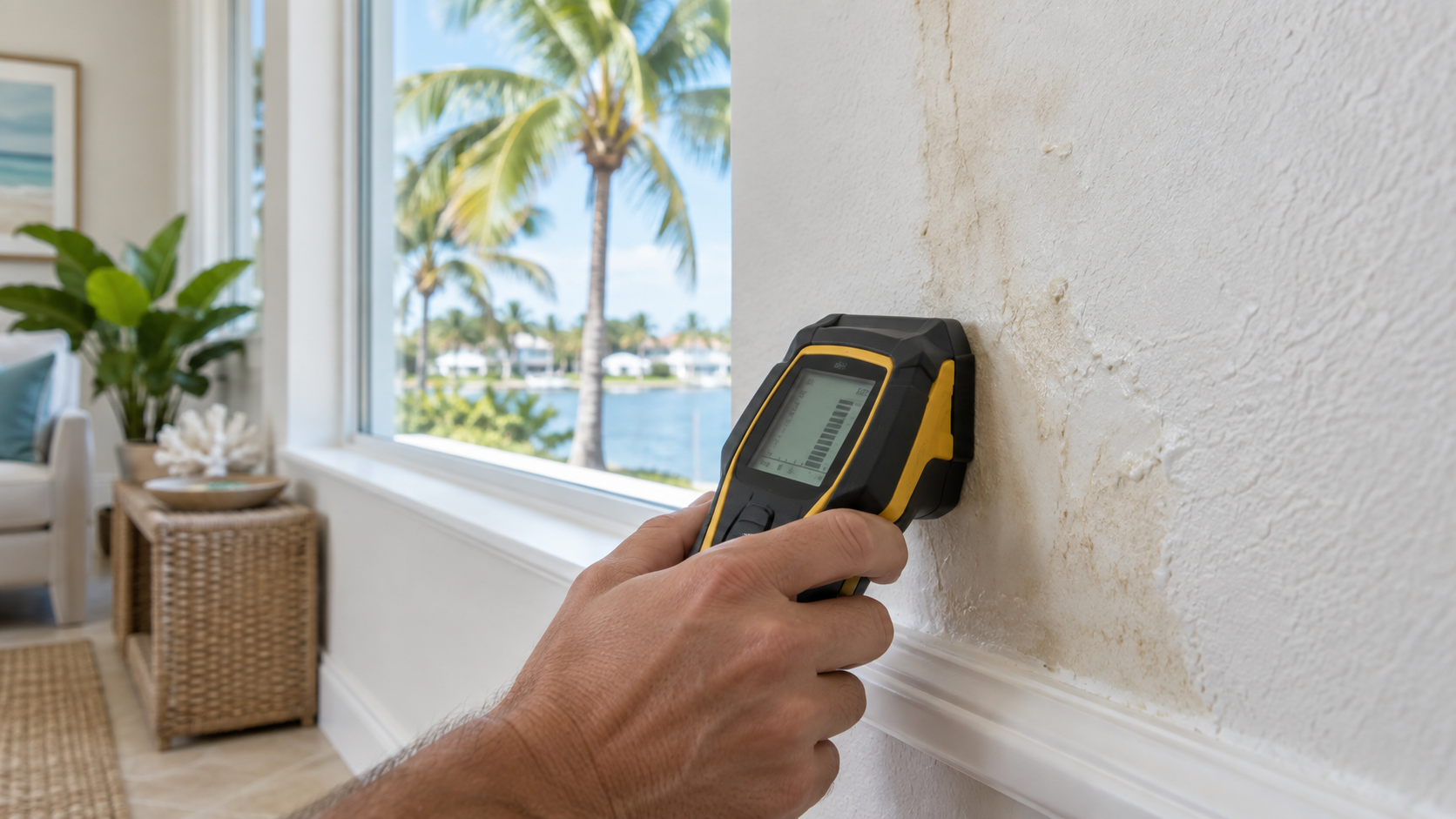
- Whether additional Moisture Mapping & Readings may be needed if hidden moisture is still a concern
The goal is to make sure the property owner understands what the protocol requires before remediation begins, rather than trying to sort out expectations after the work is already underway.
In simple terms, reviewing the remediation protocol before work starts helps everyone understand the scope, responsibilities, and expectations for the project.
Frequently Asked Questions About Mold Remediation Protocols
Mold remediation protocols can feel technical, especially if this is your first time dealing with a professional mold project. These common questions can help clarify what the protocol is for, who uses it, and how it fits into the overall remediation process.
Is a mold remediation protocol the same as a mold inspection?
No. A mold inspection or Mold Assessment Services evaluation identifies the conditions present at the property, while the remediation protocol is the written plan created from those findings to guide the cleanup.
Does every mold problem need a remediation protocol?
Not necessarily. The need for a protocol depends on the extent of the mold concern, the materials affected, the property conditions, and whether professional remediation is required.
Can the remediation company write its own protocol?
The remediation company may have its own internal procedures, but an independent protocol helps separate the assessment of the problem from the company performing the cleanup. This can provide the property owner with a clearer, documented scope of work.
What happens if the protocol changes during remediation?
If additional mold or moisture conditions are discovered, the assessor may need to reevaluate the area and update the protocol so the scope reflects the new findings.
Does a remediation protocol include moisture concerns?
Yes, when moisture is part of the problem. The protocol may reference areas with elevated moisture and the conditions that should be addressed before the remediation project is considered complete. Moisture Mapping & Readings may also be used when hidden moisture requires additional evaluation.
Is the protocol used during post-remediation verification?
Yes. Post-Remediation Verification may use the remediation protocol as a reference when evaluating whether the affected areas were addressed and whether the established clearance criteria have been met.
Can a remediation protocol help when comparing remediation estimates?
Yes. Providing multiple contractors with the same documented scope can make it easier to compare proposals because each company is reviewing the same affected areas and remediation requirements.
Who should keep a copy of the remediation protocol?
The property owner, assessor, and remediation company should generally have access to the protocol so everyone involved in the project understands the documented scope and expectations.
Understanding the Role of a Mold Remediation Protocol
A mold remediation protocol helps turn the findings from a professional assessment into a clear plan for the cleanup process. It gives the property owner, assessor, and remediation company a shared understanding of what areas are affected, what work is expected, and how the project should move forward.
The protocol is also important because it creates continuity between the initial assessment and the final Post-Remediation Verification. Instead of treating inspection, remediation, and verification as separate steps, the protocol connects them into one documented process.
Request a Mold Remediation Protocol in South Florida
Holistic Environmental Solutions provides professional Mold Assessment Services, remediation protocols, Moisture Mapping & Readings, and Post-Remediation Verification throughout Miami-Dade, Broward, Palm Beach, and Monroe counties. Our team can evaluate the property, document the areas of concern, and provide a clear remediation protocol based on the conditions identified during the assessment.
Call (786) 580-9374 or schedule through our online contact form to receive 10% off your inspection when you book through the website. We’ll help you understand the scope of the mold concern and provide the documentation needed to move forward with the remediation process.
About Holistic Environmental Solutions
Holistic Environmental Solutions provides independent mold assessment and environmental testing services throughout South Florida, including Mold Assessment Services, Indoor Mold Testing, Air Quality Testing, Moisture Mapping & Readings, Remediation Protocols, and Post-Remediation Verification. Our team serves Miami-Dade, Broward, Palm Beach, and Monroe counties, helping property owners better understand mold, moisture, and indoor air quality concerns with clear, objective findings.
Florida Licensed Mold-Related Services Assessor #MRSA5496
Recent Posts