Is That Black Mold? When to Get Mold Testing in South Florida
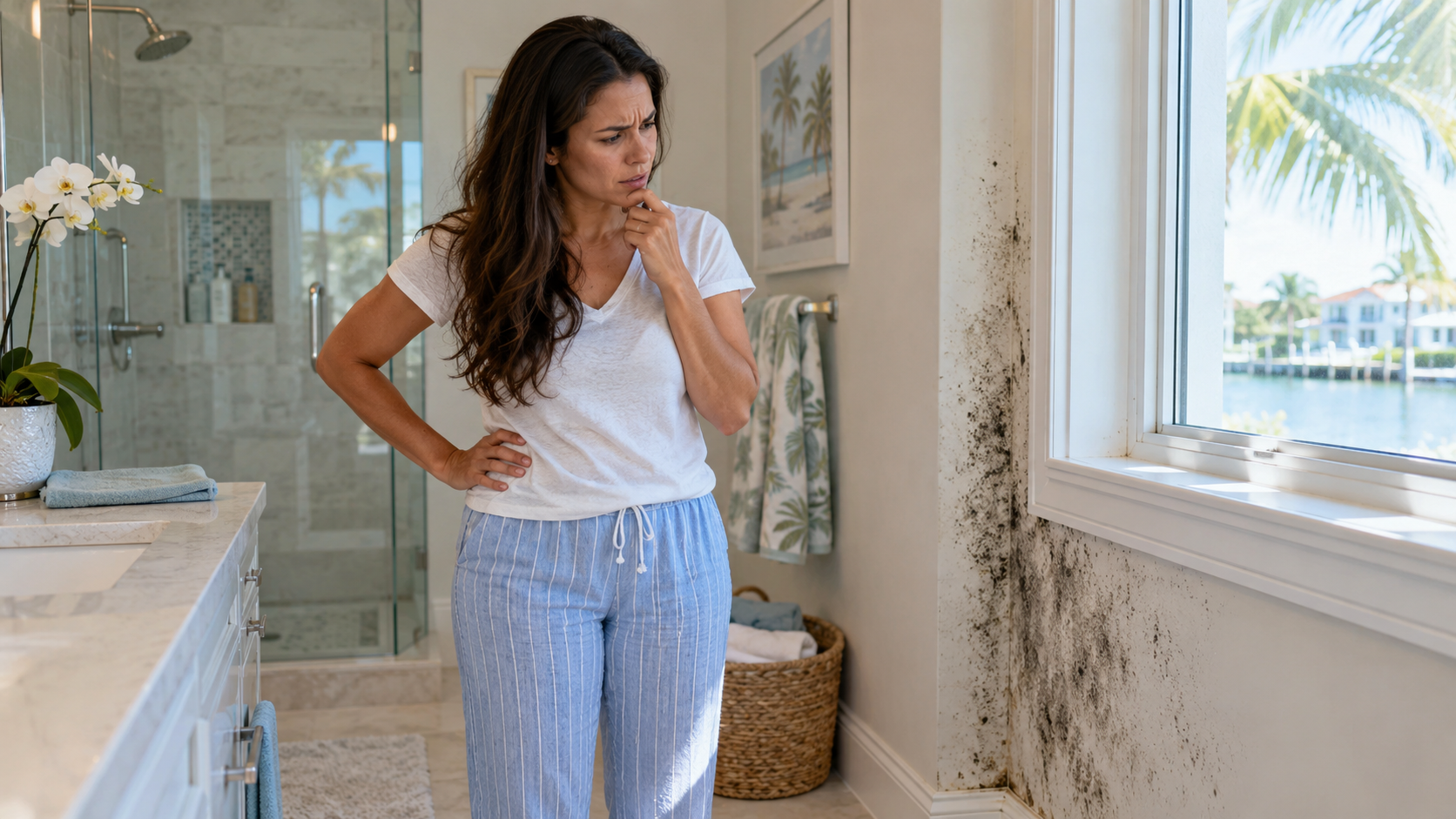
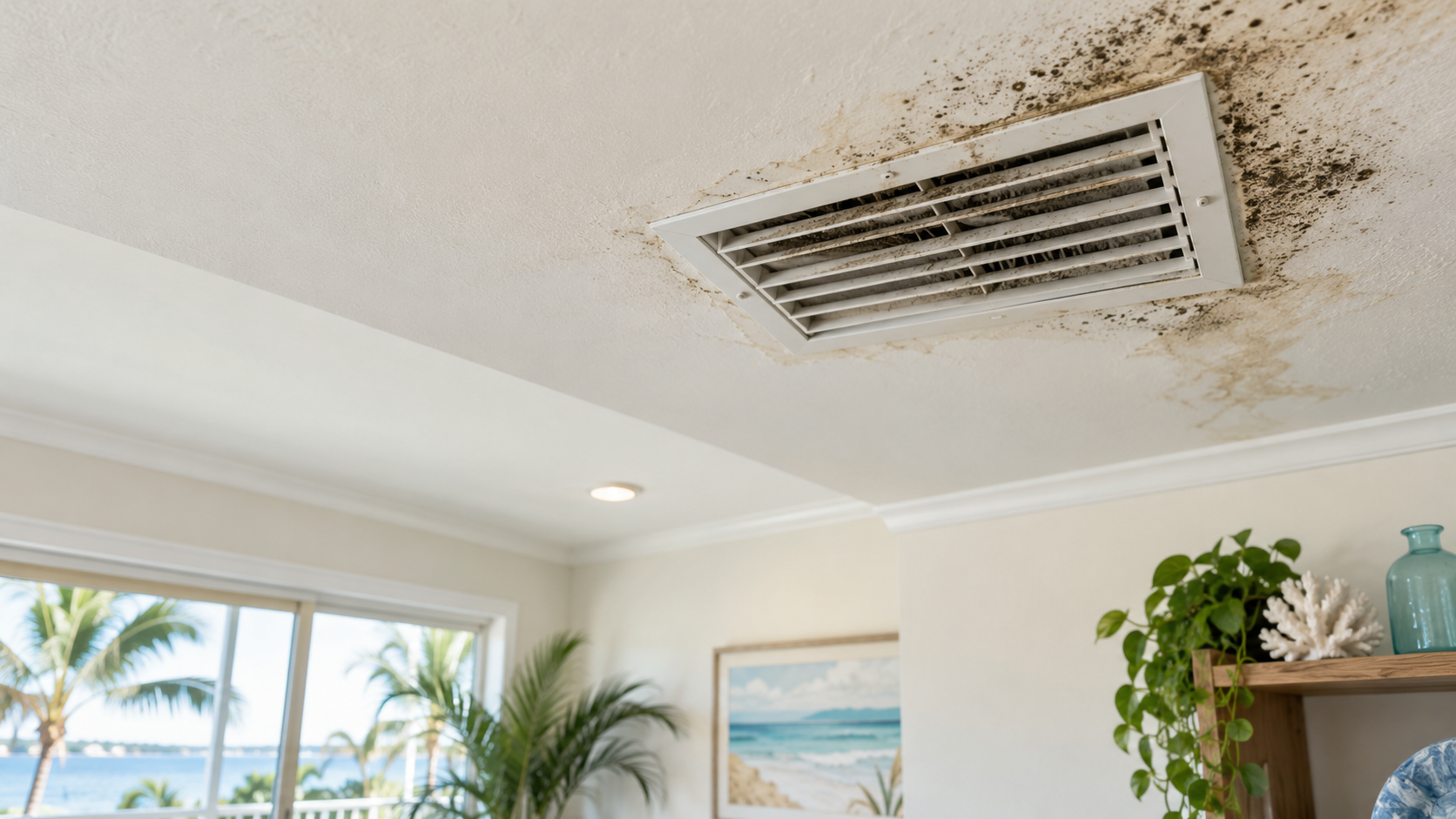
Seeing dark or black-colored growth on a wall, ceiling, window frame, or other surface can immediately make a homeowner wonder whether it is “black mold.” The important thing to know is that mold cannot be reliably identified by color alone. Different types of mold can appear black, green, brown, gray, or even white, which means appearance by itself is not enough to determine exactly what is growing inside your home.
A professional mold assessment services evaluation can help look at the bigger picture, including visible growth, moisture conditions, water damage, and areas that may require closer investigation. When additional information is needed, indoor mold testing may involve air or surface sampling that is analyzed by a laboratory and interpreted alongside the physical conditions found at the property.
For South Florida homeowners, especially in areas such as West Palm Beach and Miami Gardens, high humidity, leaks, storm-related water intrusion, and condensation can all contribute to mold concerns. This guide explains how to respond when you find dark-colored mold, when professional testing may be worth considering, what an inspector can evaluate, and what the results may help you understand.
Can You Tell If It Is Black Mold Just by Looking at It?
No. You cannot reliably identify “black mold” by color alone. Many different types of mold can appear dark green, brown, gray, or black, and the way mold looks can also change depending on the surface, moisture level, and age of the growth.
A visual inspection can still provide useful clues, especially when dark growth appears near water stains, windows, plumbing areas, or materials that have stayed damp. But appearance by itself does not confirm the mold type, how extensive the problem is, or whether hidden moisture is contributing to the growth.
What an Inspector Looks At Beyond Color
- Whether the growth is isolated or spreading
- Whether there are signs of leaks, condensation, or water intrusion
- Whether nearby materials are damp, stained, soft, or deteriorating
- Whether there is a history of flooding or previous water damage
- Whether additional indoor mold testing may help provide more information
The goal is to evaluate the property conditions first, then decide whether sampling is useful. Dark-colored mold deserves attention, but the most important question is what is causing the growth and whether moisture is still present.
What Should You Do If You Find Dark Mold in Your Home?
If you find dark-colored mold in your home, avoid assuming the color tells you exactly what type of mold it is. The better first step is to look at the surrounding conditions, especially whether there has been a leak, condensation, water damage, or another source of moisture nearby.
It is also important not to focus only on cleaning what is visible. If the growth is connected to hidden moisture, the problem may extend beyond the surface or return after cleaning. A professional mold assessment services evaluation can help document the visible concern and determine whether additional investigation is needed.
What to Do Before You Disturb the Area
- Take photos of the affected area so you have a record of what was visible.
- Look for nearby signs of water damage, staining, bubbling paint, or damp materials.
- Avoid painting over or covering the growth before it is evaluated.
- Consider whether the area has experienced a recent leak, flooding, or condensation problem.
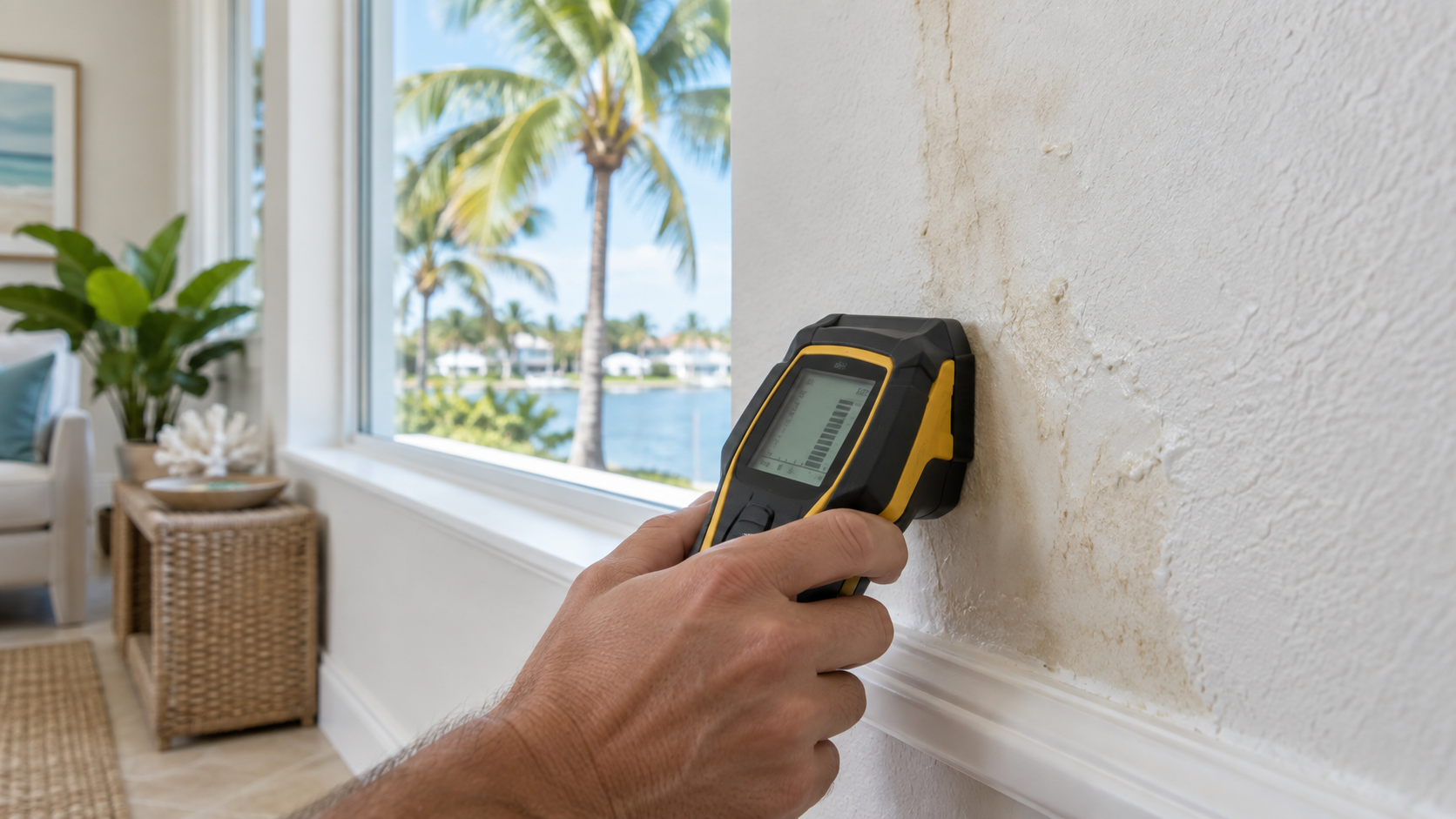
- If hidden moisture is suspected, moisture mapping and readings may help identify areas that require closer evaluation.
- If more information about the mold itself is needed, professional indoor mold testing may be recommended.
Finding dark mold does not automatically mean you know what type it is or how extensive the issue may be. The next step is understanding the moisture conditions and deciding whether professional assessment or testing would provide useful information.
When Is Professional Mold Testing Worth Considering?
Professional mold testing may be worth considering when the type, source, or extent of a mold concern is unclear. Testing can provide additional information when dark-colored growth is present, when there is a history of water damage, or when the conditions inside the property suggest there may be more going on than what is visible.
Testing is most useful when it is part of a broader assessment rather than used by itself. A professional mold assessment services evaluation can help determine where samples should be collected, whether moisture conditions are contributing to the problem, and how the laboratory results should be interpreted in context.
Situations Where Mold Testing May Be Helpful
- Dark-colored growth is present, but the mold type cannot be identified by appearance alone.
- There is visible growth in more than one area of the property.
- The home has experienced a leak, flooding, storm damage, or another moisture event.
- The affected area keeps returning after cleaning.
- The source of the growth is unclear or hidden moisture is suspected.
- Additional information is needed before remediation or other next steps are planned.
- Professional indoor mold testing may help provide laboratory-based information about the mold conditions inside the property.
Mold testing is not about labeling every dark spot as dangerous. It is about gathering useful information when visual inspection alone does not answer the homeowner’s questions.
How Does an Inspector Check for Mold and Hidden Moisture?
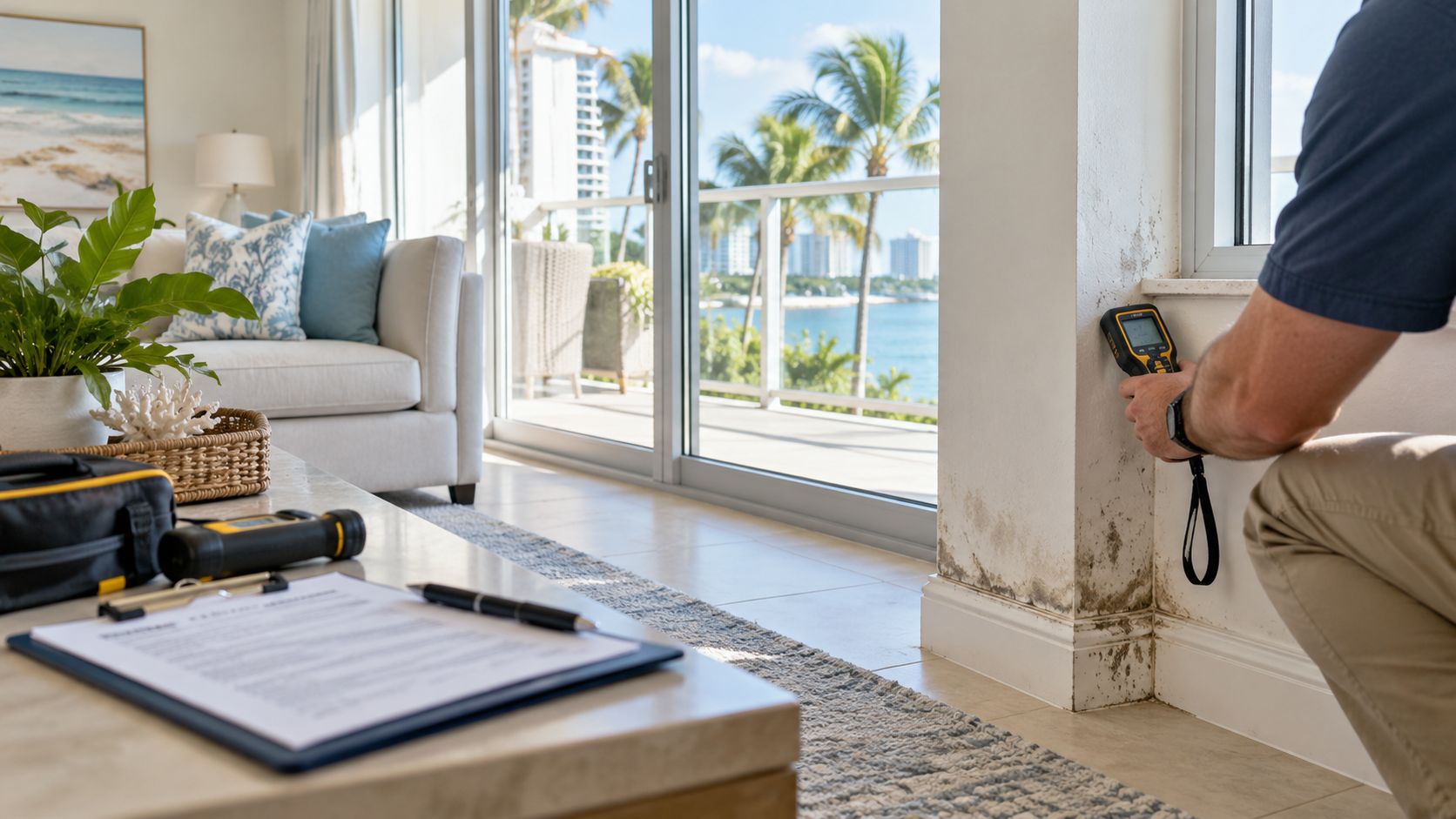
A mold inspector checks for more than just visible growth. The goal is to evaluate the conditions around the affected area, look for signs of water intrusion, and determine whether hidden moisture may be contributing to mold growth inside walls, ceilings, flooring, or other building materials.
That process may include visual inspection, moisture measurements, and other non-invasive tools. If the source is still unclear, moisture mapping and readings can help identify areas with elevated moisture, while indoor mold testing may provide additional information about mold conditions inside the property.
What an Inspector May Evaluate
- Visible mold, staining, or discoloration
- Bubbling paint, soft drywall, or warped materials
- Areas around windows, plumbing, roofs, and HVAC systems
- Moisture levels in walls, ceilings, and flooring
- Patterns that suggest leaks or water intrusion
- Whether air or surface sampling may be useful based on the conditions found
A professional inspection helps connect the visible mold concern with the moisture conditions that may be causing it. That context is important because identifying the source of moisture can be just as important as identifying the mold itself.
What Can Mold Test Results Tell You?
Mold test results can provide information about the types and concentrations of mold detected in a sample, but the numbers should not be interpreted by themselves. The results are most useful when they are reviewed alongside the physical inspection, moisture findings, sample locations, and conditions inside the property.
A laboratory report may help show whether certain mold types were detected indoors, how one sample compares with another, and whether the findings support concerns identified during the assessment. If you want a deeper explanation of how those reports are interpreted, our guide on how to read mold test results explains spore counts, indoor-to-outdoor comparisons, and why there is no single universal “safe” number.
What Mold Test Results May Help Clarify
- Which mold types were detected in the sample
- Whether indoor samples differ from outdoor or control samples
- Whether one area of the property has a different mold profile than another
- Whether the findings align with visible growth, water damage, or moisture concerns
- Whether additional evaluation, moisture correction, or remediation planning may be appropriate
The results can provide useful context, but they do not replace the property assessment. The strongest interpretation comes from reviewing the laboratory findings together with the conditions observed inside the home.
What Happens If the Inspection Finds a Mold Problem?
If an inspection confirms a mold problem, the next step is to determine the extent of the affected area and what conditions are contributing to the growth. That may include correcting a moisture source, documenting the areas involved, and deciding whether a formal remediation plan is needed.
Holistic Environmental Solutions does not perform mold removal. Instead, the company focuses on independent assessment, testing, and documentation so the property owner can better understand the problem before hiring a remediation contractor.
What May Happen Next
- The moisture source should be identified and corrected.
- The affected areas and materials may be documented in a written remediation plan.
- If professional cleanup is needed, a remediation contractor can use that plan as the scope of work.
- After remediation, Post-Remediation Verification may be used to evaluate whether the treated area meets the established clearance criteria.
- If hidden moisture is still a concern, moisture mapping and readings may help confirm whether elevated moisture remains.
Finding mold does not automatically mean the entire property needs extensive remediation. The appropriate next step depends on the location, extent, moisture conditions, and findings from the professional assessment.
Black Mold Testing in West Palm Beach, Miami Gardens, and South Florida
Homeowners searching for “black mold testing” are often trying to answer a very specific question: is the dark growth in my home actually mold, and do I need professional testing? Because mold cannot be identified reliably by color alone, the most useful next step is usually an assessment of the visible conditions, moisture sources, and whether sampling would add meaningful information.
Holistic Environmental Solutions serves properties throughout South Florida, including West Palm Beach, Miami Gardens, and surrounding communities. Local humidity, plumbing leaks, roof issues, condensation, and storm-related water intrusion can all contribute to mold concerns, but testing should still be based on the conditions found at the property rather than the color of the growth alone.
When Local Mold Testing May Make Sense
- Dark growth is visible and you want more information about what is present.
- There is a history of leaks, flooding, or water intrusion.
- Mold keeps returning after cleaning.
- Hidden moisture is suspected behind walls, ceilings, or flooring.
- The affected area is larger than a small isolated spot.
- A professional assessment suggests that air or surface sampling may be useful.
For homeowners in these areas, the goal is not to chase a “black mold” label. It is to understand whether mold is present, what moisture conditions may be supporting it, and what the most appropriate next step is for the property.
Frequently Asked Questions About Black Mold Testing
Black or dark-colored mold can raise a lot of questions, especially when you are not sure whether testing is necessary or what the results can actually tell you. These answers focus on the most common homeowner concerns without repeating the rest of the article.
Can you identify black mold by color alone?
No. Mold color is not enough to reliably identify the type of mold present. Different molds can appear black, green, brown, gray, or white depending on the surface and conditions.
Does black mold always require testing?
Not always. Testing may be useful when the source or extent of the problem is unclear, when there is recurring growth, or when additional information is needed before deciding on next steps.
Is black mold more dangerous than other mold?
The color of mold alone does not determine how serious a problem is. The more useful questions are where the mold is growing, how extensive it is, whether moisture is still present, and what the assessment and testing show.
Can mold testing tell me if the growth is Stachybotrys?
Laboratory analysis may identify the mold types present in a collected sample. A visual inspection alone cannot reliably confirm that dark-colored growth is Stachybotrys.
Can hidden moisture cause black mold to come back?
Yes. If leaks, condensation, or water intrusion remain unresolved, mold can return even after visible growth is cleaned. moisture mapping and readings can help identify elevated moisture that may need further evaluation.
Should I clean dark mold before an inspector sees it?
If you are planning a professional assessment, it may be helpful to document the area and avoid significantly disturbing it beforehand so the inspector can evaluate the visible conditions and surrounding moisture concerns.
What kind of mold testing may be used?
Depending on the property, testing may include air sampling, surface sampling, or both. A professional indoor mold testing evaluation can help determine which method is appropriate based on the conditions found.
What should I do if testing confirms a mold problem?
The next step is usually to address the moisture source and determine whether remediation is needed. An independent mold assessment services evaluation can help document the findings and guide the appropriate next steps.
Schedule a Mold Inspection in South Florida
Dark-colored mold can be concerning, but appearance alone does not tell you exactly what type of mold is present or how extensive the issue may be. A professional assessment can help evaluate visible growth, moisture conditions, water-damage history, and whether testing would provide useful information about the property.
Holistic Environmental Solutions provides independent mold assessment services, indoor mold testing, and moisture mapping and readings throughout Miami-Dade, Broward, Palm Beach, and Monroe counties. The goal is to help homeowners understand what is happening inside the property and determine the appropriate next step without relying on color alone.
Schedule Your Inspection
If you are concerned about dark or black-colored mold in your home, call (786) 580-9374 or book online to receive 10% off your inspection. Our team can evaluate the property, document the conditions present, and help determine whether additional testing or moisture investigation may be appropriate.
About Holistic Environmental Solutions
Holistic Environmental Solutions provides independent mold assessment and environmental testing services throughout South Florida, including Mold Assessment Services, Indoor Mold Testing, Air Quality Testing, Moisture Mapping & Readings, Remediation Protocols, and Post-Remediation Verification. Our team serves Miami-Dade, Broward, Palm Beach, and Monroe counties, helping property owners better understand mold, moisture, and indoor air quality concerns with clear, objective findings.
Florida Licensed Mold-Related Services Assessor #MRSA5496
Recent Posts