Black Mold Testing in South Florida: When Should You Test Your Home?
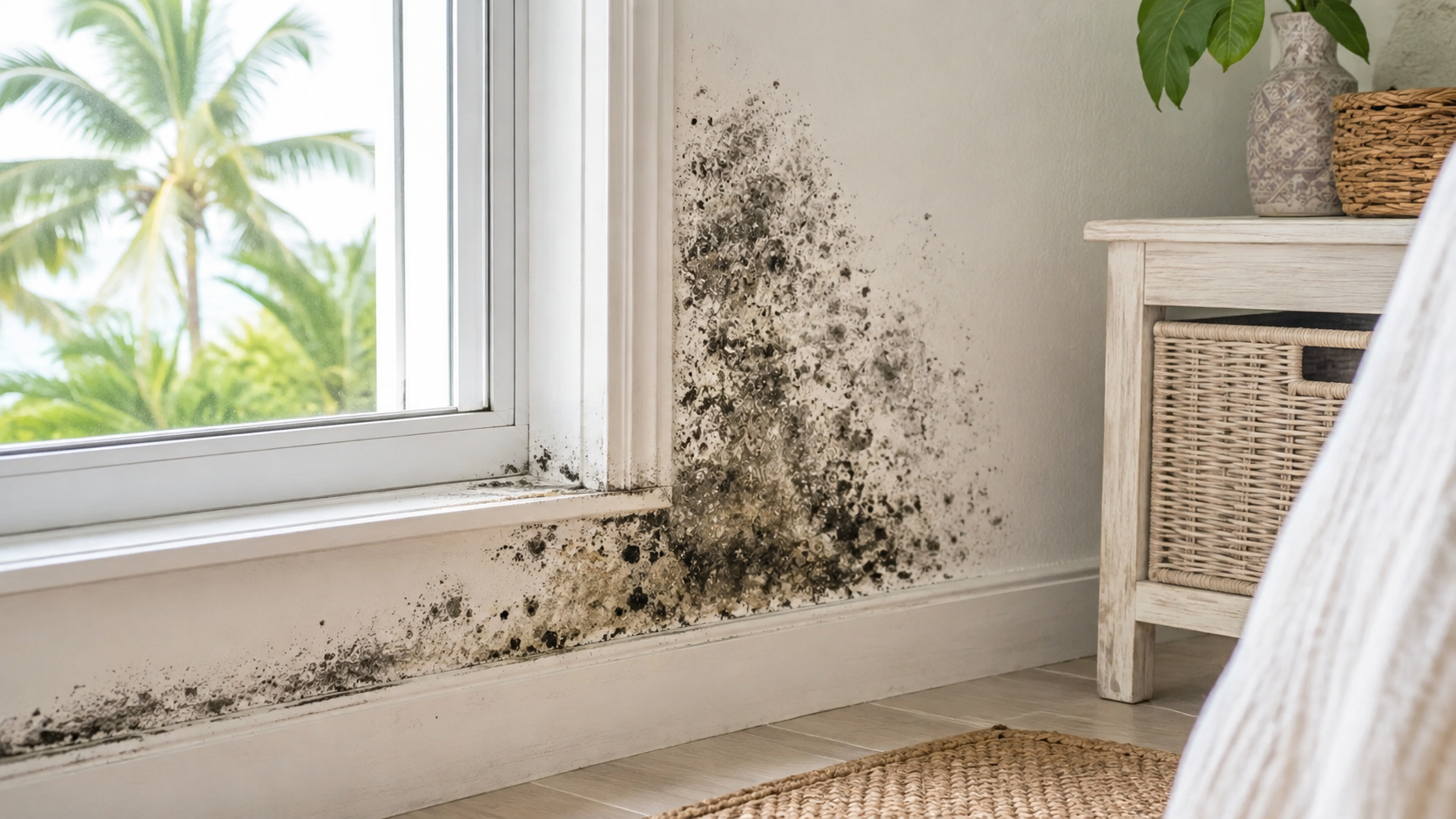
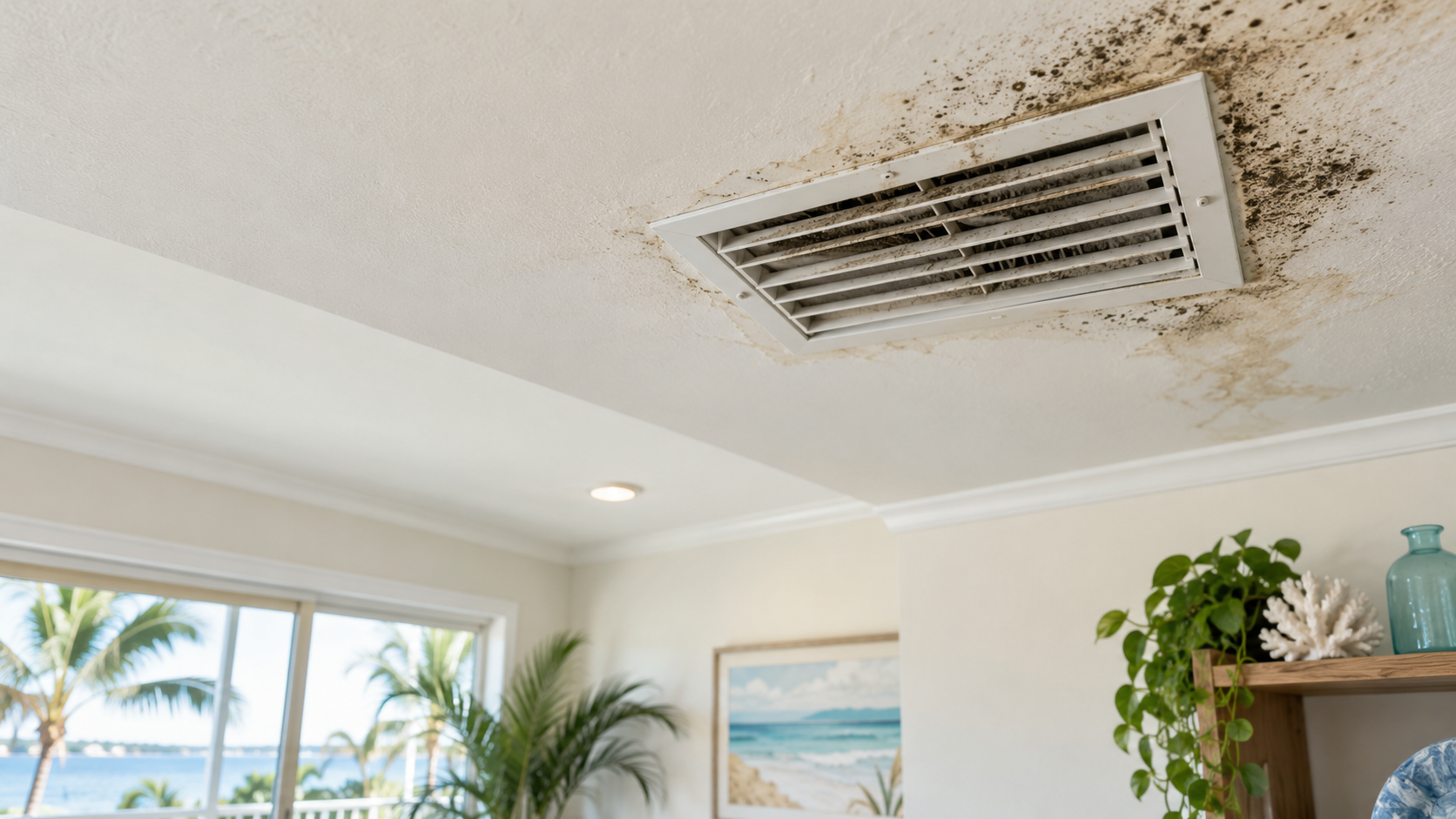
Black mold concerns often begin with a visible dark spot, a persistent musty odor, or a recent water problem inside the home. But color alone cannot confirm what type of mold is present, and hidden moisture may allow mold growth to develop in areas that are difficult to see.
For South Florida homeowners, high humidity, plumbing leaks, roof problems, storm-related water intrusion, and condensation can all create conditions where mold may develop. When the source or extent of the problem is unclear, professional Indoor Mold Testing can provide additional information about conditions inside the property.
In this guide, we’ll explain when black mold testing may be appropriate, what professional mold testing can involve, which warning signs should not be ignored, and what steps to consider if mold or elevated moisture is found in your South Florida home.
What Is Black Mold Testing?
Black mold testing is used to gather additional information when dark-colored mold, musty odors, water damage, or other indoor concerns are present. Because mold cannot be reliably identified by color alone, professional testing may be recommended when a property owner needs more information about the conditions inside a home.
Depending on the situation, testing may include:
- Air sampling. Indoor air samples can be collected and analyzed for airborne mold spores.
- Surface sampling. Samples may be taken from visible areas of suspected mold growth.
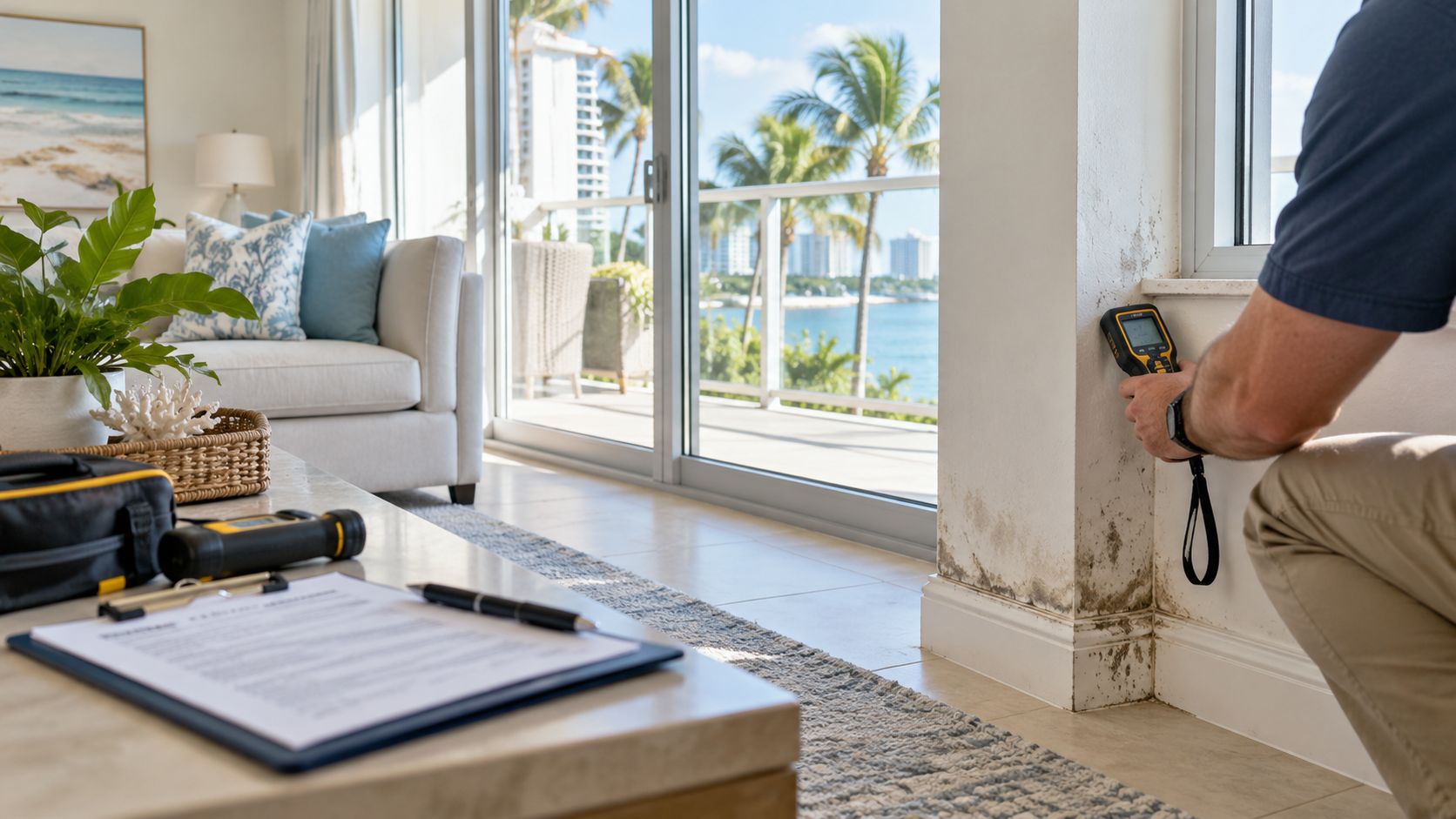
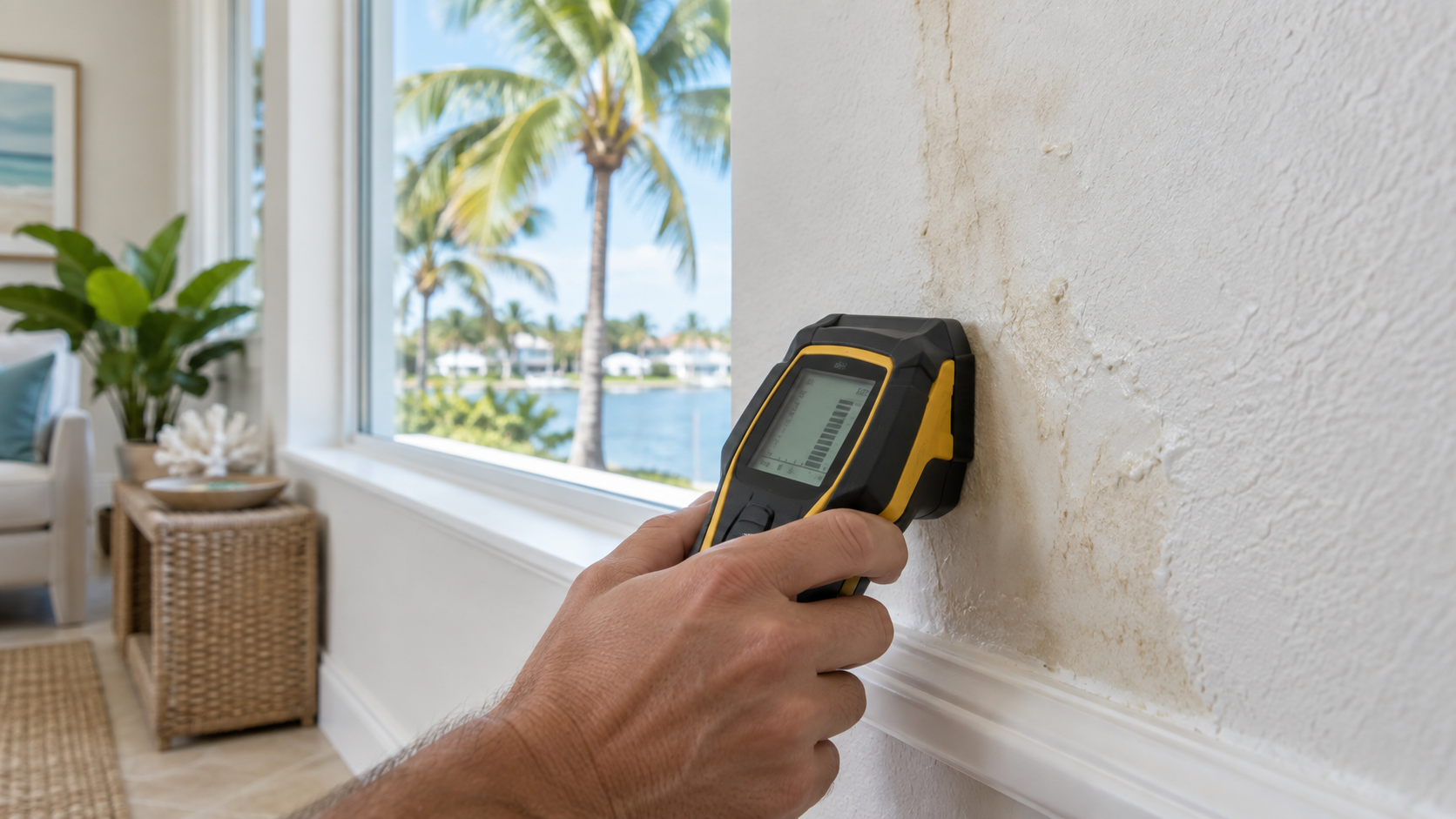
- Moisture evaluation. Moisture readings can help identify conditions that may be contributing to mold growth.
- Laboratory analysis. Collected samples can be analyzed to provide additional information about the types of mold present.
Professional Indoor Mold Testing is most useful when it is combined with an evaluation of the property and potential moisture sources. Testing can provide valuable information, but identifying and addressing the underlying moisture problem is also an important part of understanding what may be happening inside the home.
When Should You Consider Black Mold Testing?
Black mold testing may be appropriate when there are signs of a moisture or mold problem but the extent of the issue is unclear. Testing can provide additional information when visual conditions alone are not enough to understand what may be happening inside the property.
Consider professional mold testing when:
- You see dark or black-colored growth. Color alone cannot confirm the type of mold present, so testing may help provide more specific information.
- There is a persistent musty odor. Ongoing odors without an obvious source may indicate mold or moisture in a concealed area.
- Your home recently experienced water damage. Roof leaks, plumbing problems, flooding, or storm-related water intrusion can create conditions where mold may develop.
- You suspect hidden moisture. Moisture can remain behind walls, beneath flooring, around windows, or near HVAC systems even when surfaces appear dry.
- Mold keeps returning after cleanup. Recurring growth may indicate that the underlying moisture source has not been fully addressed.
- You want more information before remediation begins. Testing may help document conditions and support the next steps when mold remediation is being considered.
If hidden moisture is suspected, Moisture Mapping & Readings can help identify areas with elevated moisture levels that may require closer evaluation.
Where Can Black Mold Hide Inside a Home?
Mold growth is not always limited to the areas you can easily see. When moisture enters concealed spaces or building materials remain damp, mold may develop behind finished surfaces and go unnoticed until odors, stains, or other warning signs appear.
Common areas where hidden mold may develop include:
- Behind walls and baseboards. Plumbing leaks or water intrusion can affect drywall, insulation, and wall cavities.
- Beneath flooring. Moisture from leaks, flooding, or appliance failures can become trapped under tile, laminate, wood, or other flooring materials.
- Around windows and exterior walls. Condensation, damaged seals, and wind-driven rain can create moisture concerns around openings and exterior-facing surfaces.
- Near HVAC systems. Condensation, drainage issues, and elevated humidity can contribute to damp conditions around air-conditioning equipment and nearby materials.
- Inside ceilings. Roof leaks, plumbing lines, and HVAC-related moisture can create hidden conditions above finished ceiling surfaces.
When there are signs of hidden moisture but no obvious source, Moisture Mapping & Readings can help identify areas with elevated moisture levels. If mold is suspected, Indoor Mold Testing may also provide additional information about conditions inside the property.
What Happens During Professional Black Mold Testing?
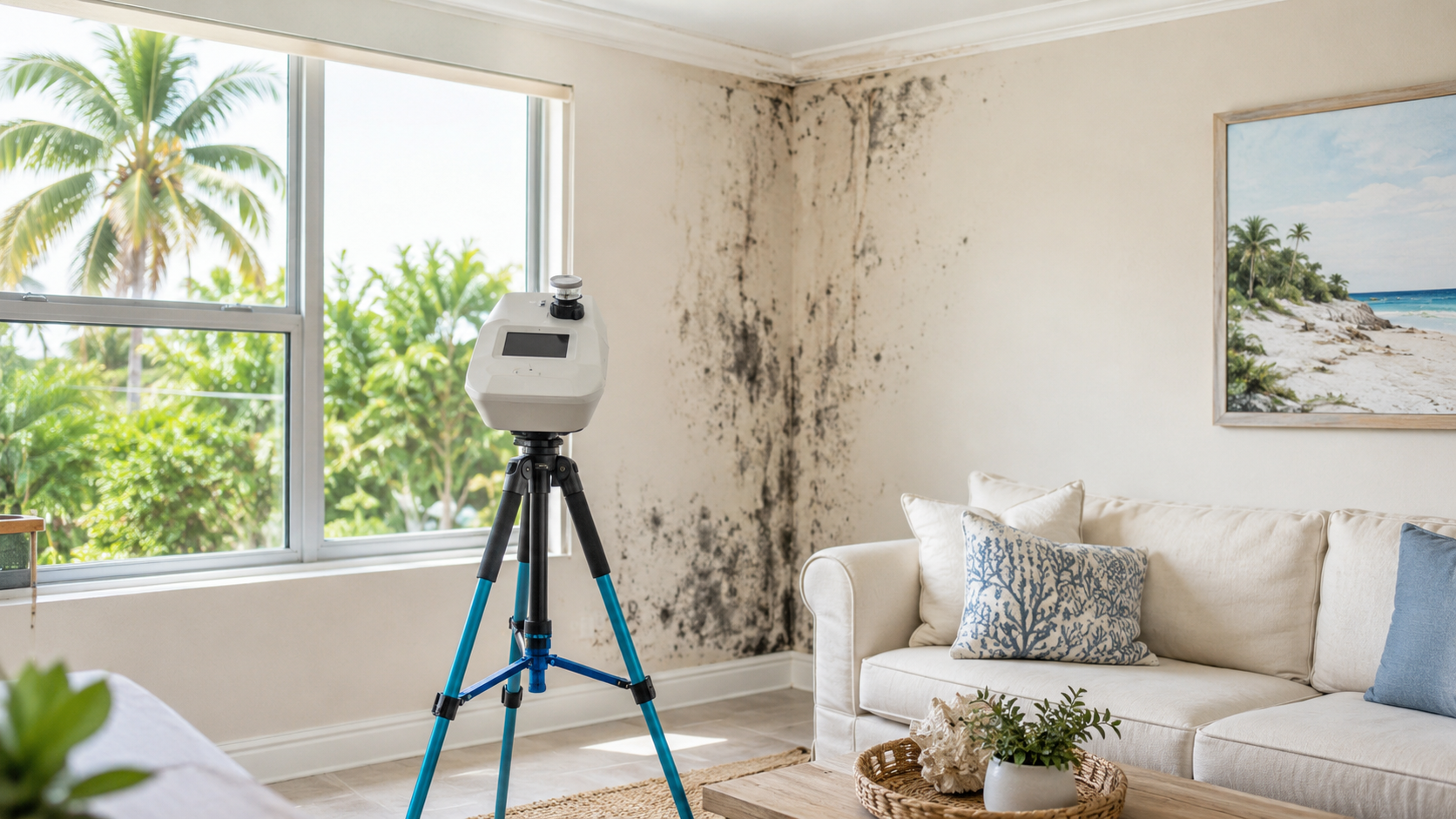
Professional mold testing typically begins with an evaluation of the areas of concern and any conditions that may be contributing to mold growth. The exact process can vary depending on the property, visible conditions, and whether there has been recent water damage or moisture intrusion.
A professional assessment may include:
- Visual evaluation. The inspector reviews areas with visible growth, staining, water damage, or other signs that may point to a mold or moisture concern.
- Air sampling. Air samples may be collected from specific areas of the property and submitted for laboratory analysis.
- Surface sampling. Samples may be taken from visible areas of suspected mold growth when additional information is needed.
- Moisture readings. Moisture meters or other tools may be used to evaluate areas where hidden moisture could be contributing to mold growth.
- Review of findings. The results can help provide additional information about indoor conditions and whether further action may be appropriate.
Professional Indoor Mold Testing can be especially helpful when the type or extent of the mold concern is unclear. If moisture is also suspected, Moisture Mapping & Readings may be used to help identify areas that require closer investigation.
Why Moisture Is the Key Factor Behind Mold Growth
Mold growth is closely connected to moisture. Even if visible growth is removed, an unresolved leak, condensation problem, or other source of moisture can allow mold conditions to return.
Common moisture sources in South Florida homes can include:
- Roof leaks. Heavy rain and storm activity can allow water to enter through damaged roofing or flashing.
- Plumbing leaks. Slow leaks behind walls, under sinks, or around fixtures may create damp conditions without obvious flooding.
- High indoor humidity. South Florida’s humid climate can contribute to condensation and moisture buildup, especially around windows and HVAC systems.
- Water intrusion. Wind-driven rain, damaged seals, or exterior openings can allow moisture to enter walls and other building materials.
- Previous water damage. Materials may remain damp even after the visible water has dried.
When the source of the moisture is unclear, Moisture Mapping & Readings can help identify areas with elevated moisture levels and support a more complete evaluation of the property.
How Is Black Mold Testing Different From a Visual Mold Inspection?
A visual mold inspection and mold testing serve different purposes. An inspection focuses on evaluating the property for visible growth, moisture concerns, water damage, and other conditions that may support mold development. Testing can provide additional information when the type or extent of a mold concern is unclear.
A professional mold inspection may include:
- Visual evaluation of affected areas
- Review of water damage or moisture concerns
- Moisture readings or thermal imaging
- Identification of areas that may require further testing
- Recommendations for next steps
Mold testing may then involve air or surface sampling and laboratory analysis when more specific information is needed.
In some situations, both services may be appropriate. A professional mold inspection can help determine whether Indoor Mold Testing should be included as part of the evaluation.
What Happens If Mold Testing Confirms a Problem?
If mold testing confirms elevated mold conditions or identifies areas that require attention, the next step is determining how the affected areas should be addressed. The appropriate response depends on the extent of the problem, the materials involved, and whether an active moisture source is still present.
Next steps may include:
- Correcting the moisture source. Roof leaks, plumbing issues, condensation, or water intrusion should be addressed so the conditions contributing to mold growth do not continue.
- Developing a remediation plan. If professional remediation is needed, Remediation Protocols can outline the affected areas, materials involved, and recommended procedures for completing the work.
- Completing the remediation. A qualified remediation company can use the established protocol to address affected materials and areas.
- Verifying the completed work. After remediation, Post-Remediation Verification may be performed to evaluate the treated area and determine whether the established clearance criteria have been met.
Testing is only one part of the process. Addressing the underlying moisture conditions and following an appropriate remediation plan can help provide a clearer path from identifying the problem to completing the necessary work.
Why Black Mold Concerns Are Common in South Florida
South Florida’s warm, humid climate can create conditions where moisture problems develop quickly, especially after leaks, storms, plumbing issues, or prolonged indoor humidity. When moisture remains inside building materials, mold may begin growing in areas that are not immediately visible.
Common South Florida conditions that may contribute to mold concerns include:
- High year-round humidity. Elevated indoor humidity can contribute to condensation and damp conditions around windows, vents, and HVAC systems.
- Heavy rain and tropical weather. Storms and wind-driven rain can allow water to enter through roofs, windows, doors, and exterior walls.
- Frequent air-conditioning use. Condensation or drainage problems around HVAC systems may create moisture in nearby materials.
- Plumbing and appliance leaks. Small leaks can affect drywall, cabinetry, flooring, and wall cavities before obvious damage appears.
- Previous water intrusion. Even after visible water dries, moisture may remain trapped within building materials.
Holistic Environmental Solutions provides professional Indoor Mold Testing and Moisture Mapping & Readings throughout Miami-Dade, Broward, Palm Beach, and Monroe counties. Evaluating both mold concerns and potential moisture sources can provide a more complete understanding of conditions inside the property.
Frequently Asked Questions About Black Mold Testing
Black mold concerns can be confusing, especially when you are unsure whether testing is necessary or what the results may tell you. Below are answers to common questions South Florida homeowners have about professional mold testing and indoor conditions.
Can you tell if mold is black mold just by looking at it?
No. Mold color alone cannot reliably identify the type of mold present. Dark or black-colored growth may warrant further evaluation, and professional Indoor Mold Testing can provide additional information when identification is needed.
Is black mold testing always necessary?
Not every mold concern requires testing. Testing may be appropriate when the source or extent of the problem is unclear, there are persistent musty odors, previous water damage is involved, or additional information is needed before remediation.
Can an air test detect black mold?
Air sampling can help evaluate airborne mold spores inside a property. Samples are analyzed by a laboratory and may provide information about the types and concentrations of mold detected in the air.
How long does professional mold testing take?
The amount of time needed depends on the size of the property, the number of areas being evaluated, and the type of sampling performed. Laboratory results may require additional processing time after samples are collected.
Should I test for mold after a water leak?
Testing may be appropriate after a water leak if materials remained wet, musty odors developed, visible growth appeared, or there is concern about hidden moisture. Moisture Mapping & Readings can also help identify areas where elevated moisture may still be present.
What should I do if black mold is found?
If testing or assessment confirms a mold problem, the next steps may include correcting the moisture source and developing Remediation Protocols for the affected areas. After remediation is completed, Post-Remediation Verification may be recommended to evaluate the treated space.
Does black mold testing include checking for hidden moisture?
Mold testing and moisture evaluation are separate but often complementary services. When hidden moisture is suspected, moisture readings or thermal imaging may be used to help identify areas that require additional investigation.
Schedule Black Mold Testing in South Florida
If you are concerned about dark-colored mold, musty odors, previous water damage, or hidden moisture, professional testing can help provide clearer information about conditions inside your property.
Holistic Environmental Solutions provides professional Indoor Mold Testing, moisture evaluation, and environmental assessment services throughout Miami-Dade, Broward, Palm Beach, and Monroe counties. Our team can help evaluate areas of concern and determine whether additional testing or investigation may be appropriate.
Call (786) 580-9374 or fill out our online contact form to receive 10% off your inspection when you schedule through the website. Schedule professional mold testing in South Florida and get the information you need to determine the appropriate next steps for your property.
About Holistic Environmental Solutions
Holistic Environmental Solutions provides independent mold assessment and environmental testing services throughout South Florida, including Mold Assessment Services, Indoor Mold Testing, Air Quality Testing, Moisture Mapping & Readings, Remediation Protocols, and Post-Remediation Verification. Our team serves Miami-Dade, Broward, Palm Beach, and Monroe counties, helping property owners better understand mold, moisture, and indoor air quality concerns with clear, objective findings.
Florida Licensed Mold-Related Services Assessor #MRSA5496
Recent Posts